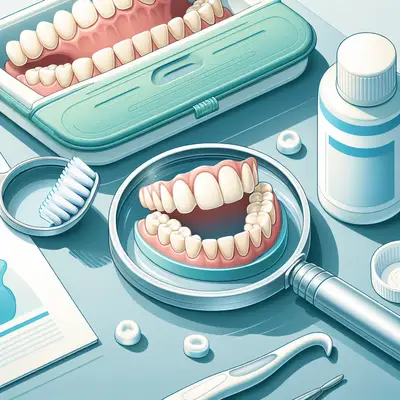
Everyday denture care need not be mundane; handled with intention, it becomes a quiet ritual of refinement. For discerning wearers, maintenance is less about avoiding problems and more about preserving an elevated standard—of comfort, aesthetics, and self-possession. This guide moves beyond the usual “brush and soak” advice to explore nuanced, premium-grade practices that keep your dentures—and the tissues beneath them—in impeccable condition.
Reframing Denture Care as a Daily Ritual, Not a Chore
When denture care is approached as a rushed obligation, small details are invariably missed: microscopic plaque, hairline cracks, subtle irritation. Over time, those details accumulate into staining, warping, or sore spots that feel anything but refined.
By reframing maintenance as a brief daily ritual—morning and evening—you create a predictable rhythm of care. This means intentionally setting aside a quiet window of time, using well-curated tools, and performing each step with the same deliberation you might give to a skincare or grooming routine. A high-quality soft-bristled denture brush, a non-abrasive cleanser, and a clean, well-lit space become your essentials. The goal is not simply cleanliness, but a consistently polished standard: dentures that look luminous, feel weightless, and never draw attention to themselves.
Treating the process as ritual also makes you more likely to notice early signs of change—slight roughness, a faint odor, or a shift in fit—while they are still easy to address. This is the quiet luxury of attentiveness: you resolve issues before they become visible or painful.
Exclusive Insight #1: Temperature Discipline as a Hidden Guardian of Fit
One of the most underappreciated elements of denture longevity is water temperature. Acrylic and many modern denture materials are far more sensitive to heat than most wearers realize. Exposure to very hot water—even intermittently—can subtly distort the base, undermining the precision fit your clinician worked so carefully to create.
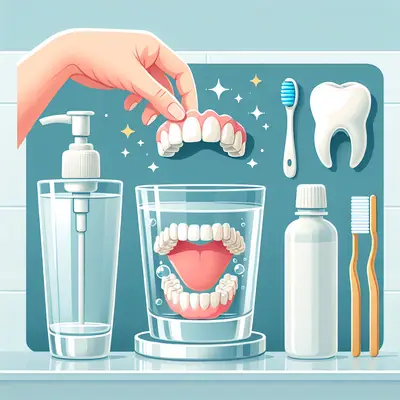
Cultivating “temperature discipline” means setting a firm boundary: lukewarm water only, for both cleaning and soaking. Let water run over your wrist before using it; if it feels hot, it is too warm for your dentures. Avoid placing dentures near radiators, direct sunlight on a windowsill, or using hot air drying devices. When soaking overnight, ensure the solution is at room temperature, not straight from a very warm tap.
This quiet attention to temperature preserves the microscopic details of fit that make your dentures feel like a natural extension of you. Over years, it can significantly delay the need for relines or remakes, ensuring your prosthesis remains precise, comfortable, and discreet.
Exclusive Insight #2: Finishing Touches—Polishing Beyond Basic Brushing
Most advice stops at “brush your dentures,” but refined maintenance goes one step further: the finishing polish. Dentures accumulate micro-scratches over time, especially if they have ever been brushed with regular toothpaste or a hard-bristled brush. These tiny grooves are invisible at a glance, yet they hold onto pigments, plaque, and odor-causing bacteria.
To counter this, incorporate a gentle “finishing pass” into your routine. After your primary cleaning with a non-abrasive denture cleanser and soft brush, rinse thoroughly, then lightly glide a dedicated ultra-soft brush or foam swab across all surfaces, particularly near the gum line and between artificial teeth. The goal is not to scrub but to smooth—removing the last traces of cleanser and loosening any remaining film.
Over time, this extra minute each day helps maintain a more glass-like surface, which resists staining from coffee, tea, red wine, and deeply colored foods. It also keeps the denture feeling flawlessly smooth to the tongue, an underappreciated marker of quality for the wearer, even if no one else can see it.
Exclusive Insight #3: Curating an Oral Environment That Honors Your Prosthesis
Exquisite dentures deserve an equally well-kept oral environment. Many wearers focus diligently on the prosthesis itself and unintentionally neglect the tissues beneath and around it. The result can be a clean-looking denture sitting on an unhealthy foundation—redness, fungal overgrowth, or subtle inflammation that feels “off” by day’s end.
A refined maintenance regimen always includes the mouth, not just the appliance. After removing your dentures, gently brush your gums, palate, and tongue with a soft toothbrush and water or a clinician-approved gel. This stimulates blood flow, removes plaque and debris, and helps prevent denture stomatitis (inflammation often linked to yeast overgrowth). For those prone to dryness, a moisturizing mouth gel or saliva substitute recommended by your dental professional can be a valuable addition.
This holistic approach preserves not only health, but comfort and wearability. A well-conditioned oral environment supports a stable, secure fit and helps prevent the subtle burning or soreness that can undermine your confidence over a long day.
Exclusive Insight #4: Strategic “Bare-Gum Time” to Let Tissues Breathe
It is tempting—especially for those who value a flawless appearance—to wear dentures from early morning until late at night, or even sleep in them. Yet the tissues under your dentures need consistent periods of relief to remain healthy and resilient.
Building in intentional “bare-gum time” each day is a hallmark of premium care. For many, this is naturally achieved overnight: removing dentures before bed, cleaning them, and storing them in water or a recommended solution. For others, an additional short interval during the day—perhaps while reading in the evening or during a private moment at home—can be beneficial, particularly if you notice pressure marks or mild redness.
These breaks allow the mucosa to recover, reduce the risk of fungal infections, and support long-term tolerance of the prosthesis. The effect is subtle yet tangible: fewer sore spots, fresher breath, and a more natural, unforced comfort when you speak, laugh, or dine.
Exclusive Insight #5: The Quiet Luxury of Scheduled Professional Refinement
Truly refined denture maintenance extends beyond the bathroom mirror. Even the most meticulous at-home care cannot substitute for periodic professional oversight. However, the goal of these visits is not only problem-solving; it is ongoing refinement.
A once- or twice-yearly review with your dentist or prosthodontist allows for professional cleaning, polishing, and inspection of your dentures. Dental teams can identify early hairline fractures, worn teeth, or contact points that may invite irritation. They also assess the underlying bone and soft tissue, which naturally change over time, subtly altering fit.
View these appointments as you might a tailor’s adjustment to a favorite garment: a chance to preserve impeccable fit and appearance as your needs evolve. Instead of waiting until dentures are visibly loose or uncomfortable, you maintain them at their best—stable, quiet in function, and visually indistinguishable from natural teeth to the casual observer.
Conclusion
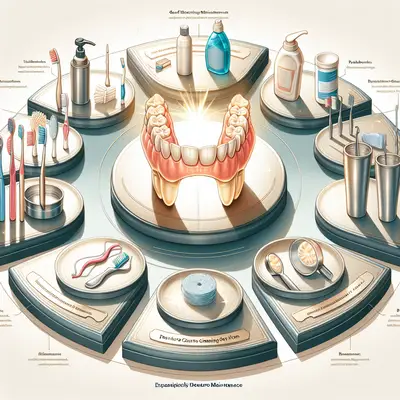
Elegant denture maintenance is not about elaborate products or complicated techniques; it is about attentiveness to detail and consistency over time. Temperature discipline protects fit, finishing passes preserve luster, curated oral care supports the foundation, scheduled bare-gum time nurtures resilience, and professional refinement keeps everything in quiet alignment.
Together, these practices elevate your dentures from merely functional to impeccably maintained—an invisible standard of care that you feel with every effortless smile and every confident conversation. In the end, the true luxury is not the prosthesis itself, but the composed assurance that it will never betray its presence.
Sources
- American Dental Association – Dentures - Overview of denture types and essential care recommendations
- Mayo Clinic – Dentures: How to Care for Them - Practical guidance on daily maintenance and oral tissue care
- National Institute of Dental and Craniofacial Research – Oral Health for Older Adults - Context on oral health considerations, including prosthetic use, in aging populations
- Cleveland Clinic – Dentures - Clinical perspective on fit, adjustments, and long-term management of dentures
Key Takeaway
The most important thing to remember from this article is that this information can change how you think about Maintenance Tips.