A refined denture routine is less about rigid rules and more about a standard you quietly keep for yourself. When your prosthetic smile is treated with the same discernment you bring to your wardrobe or skincare, it stops feeling like a medical device and starts behaving like a bespoke accessory—reliable, comfortable, and discreetly luxurious. This guide explores elevated maintenance practices that go beyond the obvious, with five exclusive insights that help your dentures age gracefully while preserving the health of the mouth beneath them.
Elevating Daily Care: Beyond “Brush and Soak”
Most denture advice stops at brushing and overnight soaking, but a truly polished routine considers texture, timing, and technique.
Use a dedicated, extra-soft denture brush and a non-abrasive cleanser—never standard toothpaste, which can create microscopic scratches that dull the surface and invite staining. Think of each cleaning session as a gentle polish rather than a scrub: light pressure, small circular motions, and meticulous attention to the underside of the denture where plaque accumulates unnoticed.
Rinse your dentures with cool or lukewarm water; hot water can subtly distort the acrylic over time, compromising fit and comfort. Commit to cleaning both your dentures and your mouth separately: massage the gums with a soft toothbrush or damp gauze, sweep the tongue, and gently brush the palate. This dual care helps prevent fungal overgrowth, bad breath, and that “tired mouth” feeling many wearers accept as inevitable. It is not.
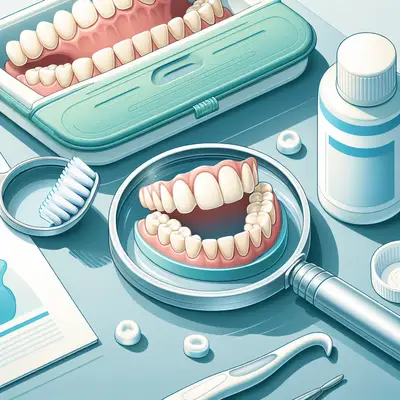
Finish by inspecting your dentures under strong light—ideally near a window or with a magnifying mirror—to identify early signs of wear: hairline cracks, cloudy patches, or persistent deposits at clasp areas. This visual check, done once daily, turns maintenance from reaction to prevention.
The Nighttime Advantage: Transforming Soaking into a Treatment
Soaking is often treated as an afterthought, but your overnight routine can become the most high-impact part of your denture care.
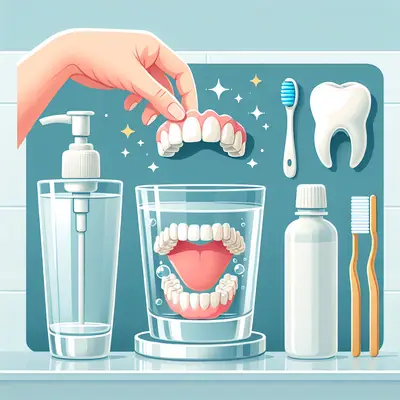
First, remove all visible debris with gentle brushing before your dentures ever see the soaking solution; this prevents proteins and food particles from “baking onto” the surface while they soak. Choose an ADA-accepted denture cleanser when possible, and follow the manufacturer’s timing guidelines—leaving dentures in highly concentrated solutions far longer than recommended does not make them cleaner; it can weaken metal components and fade acrylic shades.
Exclusive insight #1: Consider a “two-stage” night ritual once or twice a week—first, a brief antibacterial or effervescent denture soak to break down plaque, followed by a rinse and a second soak in plain water to protect the material and reduce residual taste. This layered approach respects both hygiene and longevity.
Exclusive insight #2: Always store dentures fully submerged in clean, cool water if they are out of your mouth for more than an hour, even during the day. Acrylic that dehydrates, even temporarily, can develop fine surface changes that alter fit and invite staining. Treat dryness as the enemy of elegance.
The Understated Luxury of Tissue Rest and Rotation
A truly comfortable denture routine values the health of the gums and bone as much as the prosthesis itself. Continuous wear—especially overnight—raises the risk of fungal infections, irritation, and long-term bone resorption.
Exclusive insight #3: Give your tissues at least 6–8 hours of rest from denture contact daily. Nighttime is ideal, but if you must wear dentures socially in the evening, consider a non-negotiable “bare gums” period during quieter morning hours. This scheduled rest allows blood flow to normalize and tissues to recover from the day’s pressure.
If you own both a primary denture and a backup set, use them strategically rather than letting the spare gather dust. Rotating occasionally between the two can reveal subtle changes: if one suddenly feels tighter, looser, or more comfortable, it may signal shifts in your mouth that warrant a professional assessment. This quiet comparison can function as an early-warning system.
Whenever the dentures are out, lightly massage your gums with clean fingers or a soft brush in gentle, upward strokes. This simple practice promotes circulation, supports tissue resilience, and offers a pleasant, spa-like moment that turns a necessary habit into a small, private luxury.
Micro-Adjustments: Fit, Comfort, and the Art of Early Intervention
Even the most exquisite denture will evolve with time, because your mouth does. Jawbone resorbs, tissues change, and what once felt flawless can slowly become merely tolerable. The refined denture wearer learns to notice nuance.
Exclusive insight #4: Develop a “fit vocabulary” and check in with yourself weekly. Are there new pressure points at the end of the day? Are you using more adhesive than you did three months ago? Are foods you once handled confidently now more difficult to manage? These small shifts—especially when they appear gradually—often indicate that a professional reline or adjustment is due.
Resist the temptation to self-adjust. Home tools, nail files, or improvised grinding can permanently alter the balance and bite of your dentures, leading to jaw discomfort, uneven wear, or fractures. Instead, maintain a standing relationship with your dentist or prosthodontist, much like you might with a trusted tailor. A brief, precise in-office adjustment can restore comfort before irritation or ulcers ever appear.
Exclusive insight #5: Schedule an annual “denture wellness exam,” even if everything seems acceptable. During these visits, your clinician can evaluate the condition of the prosthesis, the health of underlying tissues, oral cancer risk, and how your dentures interact with the rest of your bite. This anticipatory approach keeps your smile in the realm of effortless rather than merely functional.
A Discreet Strategy for Stain, Odor, and Adhesive
Stain and odor are not just cosmetic concerns; they quietly influence how confident you feel in close conversation and intimate settings. Addressing them with intention preserves both refinement and ease.
To minimize staining, approach dark beverages—coffee, tea, red wine—as you might with fine enamel: consider sipping through a straw when practical, and rinse your mouth with water afterward. Regular use of an approved denture cleanser helps break down pigments before they penetrate the acrylic.
For odor, think in layers. Denture hygiene, oral tissue care, hydration, and diet all contribute. Dry mouth, often worsened by certain medications, can make odor more pronounced; discuss this with your clinician if you notice persistent dryness, and consider sugar-free lozenges or saliva substitutes as recommended.
Regarding adhesives, treat them as an enhancement, not a crutch. Use minimal, well-placed amounts and aim for days where you can go without, especially if you’re at home. If you find yourself increasingly reliant on adhesive for basic comfort or stability, that is a signal—not a solution—and you may be due for a refitting or an implant-supported option discussion.
Conclusion
Maintaining dentures at a premium standard is less about perfection and more about attentiveness: to texture, to fit, to the quiet signals your mouth sends each day. When you elevate your routine from “good enough” to intentionally curated, your prosthetic smile becomes a graceful extension of you—polished, understated, and reassuringly reliable.
By honoring both the device and the delicate tissues beneath it, you invest in more than a functional bite. You invest in calm confidence: the ease of speaking, laughing, and dining without a second thought for what your dentures are doing. That, ultimately, is the true luxury of exemplary maintenance.
Sources
- American Dental Association – Dentures – Overview of denture types, care recommendations, and professional guidance
- Mayo Clinic – Dentures: Common Questions – Explains fit, adjustments, and long-term considerations for denture wearers
- Cleveland Clinic – Dentures: What to Expect – Details on daily care, tissue health, and professional follow-up
- National Institute of Dental and Craniofacial Research (NIDCR) – Oral Health for Older Adults – Discusses oral health changes with age, including considerations for prosthetic teeth
- Colgate Oral Care Center – Caring for Your Dentures – Practical guidance on cleaning, soaking, and maintaining denture hygiene
Key Takeaway
The most important thing to remember from this article is that this information can change how you think about Maintenance Tips.