Preserving a refined smile is not a matter of chance; it is the result of discreet, consistent care. For discerning denture wearers, maintenance is less about basic hygiene and more about cultivating a polished daily ritual that protects comfort, aesthetics, and long-term function. When approached thoughtfully, your denture care routine becomes an investment in quiet confidence—one that is felt every time you speak, dine, and smile.
Below, you’ll find five exclusive, detail-oriented insights designed for those who expect more from their dentures than “good enough.” These are the nuanced refinements that separate routine upkeep from true denture stewardship.
Elevating Your Cleaning Ritual: Precision Over Pressure
A sophisticated denture care routine begins with understanding that “clean” is not synonymous with “scrubbed.” Acrylic and modern denture materials are durable but not indestructible; aggressive brushing can create microscopic scratches that harbor bacteria and stain over time.
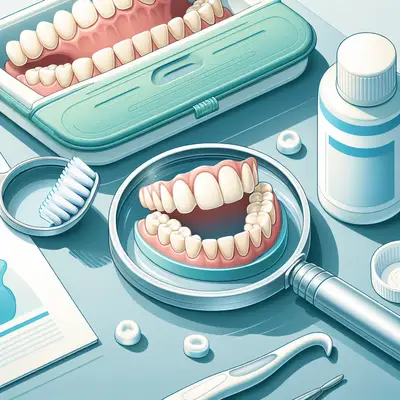
Choose a soft-bristled denture brush or an ultra-soft toothbrush and use a non-abrasive cleanser specifically formulated for dentures. Ordinary toothpaste is often too abrasive and may dull the surface finish. Hold your dentures over a basin filled with water or a folded towel so that an accidental slip doesn’t result in a fracture. Clean every surface, including the underside that meets your gums and palate—this is where plaque and biofilm quietly accumulate. Rinse thoroughly under cool or lukewarm water, avoiding hot water that can warp the denture’s shape. The goal is clarity, not force; precision movements and the right products will always outperform harsh scrubbing.
The “Off-Duty” Strategy: Overnight Care That Protects Fit and Finish
The moments when your dentures are not in your mouth are as important as the hours they are. Leaving dentures dry overnight can cause the acrylic to lose moisture and become more brittle over time, while improper soaking solutions can discolor or damage delicate materials.
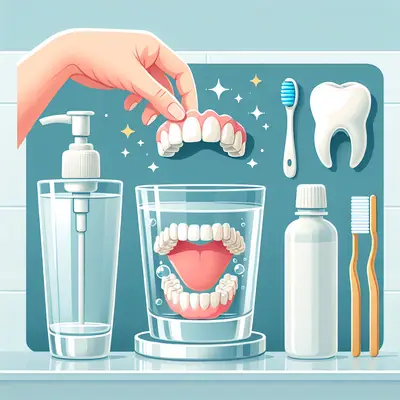
At night, remove your dentures and place them in a container filled with fresh, cool or lukewarm water or a reputable denture-soaking solution recommended by your dental professional. This helps the material maintain its shape and prevents warping. Avoid household cleaners, bleach, or hot water—these can erode the finish, alter the fit, or compromise any metal components. If you use a cleansing tablet, follow the manufacturer’s timing guidelines precisely and rinse thoroughly before reinsertion in the morning. Think of overnight soaking as a spa interval for your dentures: restorative, gentle, and carefully controlled.
Refining the Fit: Subtle Signs Your Dentures Need Professional Attention
Even the most meticulously maintained dentures will not remain perfectly fitted forever. Your gums and jawbone continue to change subtly over time, especially after tooth loss. The refined wearer pays attention not only to how dentures look, but how they quietly behave throughout the day.
Notice whether you are using more adhesive than you once did, or if your dentures slip when you speak, laugh, or chew. Watch for discreet red spots on the gums, sore areas, or recurring irritation at the corners of the mouth. These signs often indicate that the denture base is no longer in harmony with your oral tissues. A professional reline or adjustment can restore a stable, elegant fit without the need for a full replacement. Regular checkups—often annually, or as advised by your dentist—allow minor issues to be addressed before they become visible or uncomfortable. Protecting the fit is not indulgence; it is essential maintenance for both long-term oral health and day-to-day confidence.
The Art of Adhesive: Minimalist Use for Maximum Comfort
Denture adhesive, when chosen and used correctly, can provide a refined sense of security. When overused or used to compensate for poor fit, however, it becomes a compromise rather than an enhancement.
Select a high-quality adhesive from a trusted brand, preferably one recommended by your dental professional. Apply a minimal amount in small dots or thin strips—never a continuous thick layer. The goal is to refine retention, not to glue ill-fitting dentures in place. If you find yourself increasing the quantity over time or reapplying frequently throughout the day, consider it a subtle signal that an adjustment or reline may be due. At night, remove all traces of adhesive from both your mouth and the denture surfaces with gentle brushing and warm water. This restrained, purposeful approach keeps your oral tissues healthier and your denture surfaces cleaner, while still providing the discreet security you expect.
Curating Your Environment: Storage, Travel, and Lifestyle Details
True denture excellence extends beyond the bathroom sink. The way you store, transport, and integrate your dentures into everyday life has a measurable impact on their longevity and appearance.
At home, keep your denture container covered but ventilated, and change soaking solutions daily to avoid bacterial buildup and unpleasant odors. Place the container away from direct sunlight or heat sources, which can compromise the material over time. When traveling, invest in a dedicated, rigid denture case rather than tucking them into improvised containers that can crack or leak. Carry a small, elegant care kit—a compact brush, travel-sized cleanser, and case—so you can discreetly tend to your dentures after meals or flights. Be mindful with particularly hard or sticky foods; even if your dentures can manage them, repeated stress can increase the risk of fractures or micro-cracks. These quiet adjustments to your environment and habits add up to a smoother, more graceful denture experience.
Conclusion
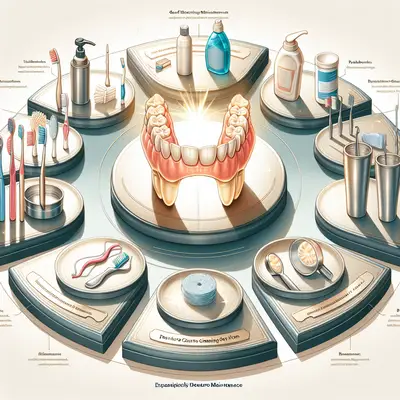
Exceptional denture maintenance is not defined by a single product or quick shortcut. It is the sum of many quiet decisions: a gentler brush, the right soaking solution, timely professional visits, minimalist adhesive use, and thoughtful storage. For the discerning wearer, these details are not burdensome—they are reassuring. By elevating your routine from basic care to a polished ritual, you safeguard not only the integrity of your dentures, but the ease and elegance with which you move through each day.
Sources
- American College of Prosthodontists – Dentures: Cleaning and Maintenance – Professional guidance on cleaning, handling, and caring for complete and partial dentures
- Mayo Clinic – Dentures: How to Care for Them – Overview of daily maintenance, overnight care, and when to seek professional adjustments
- Cleveland Clinic – Dentures – Explains denture types, fit considerations, and long-term care recommendations
- National Institutes of Health (NIH) – Denture Care and Oral Hygiene – Research-based discussion of denture hygiene, biofilm control, and oral tissue health
- Colgate Oral Care Center – Caring for Your Dentures – Practical insights on non-abrasive cleaning, storage, and proper product selection
Key Takeaway
The most important thing to remember from this article is that this information can change how you think about Maintenance Tips.