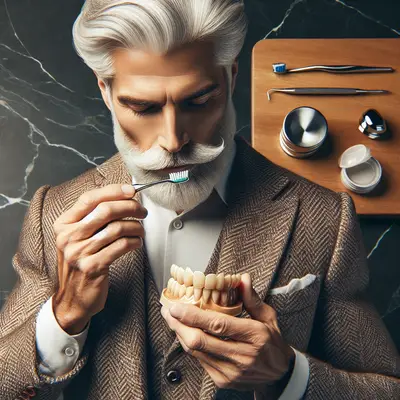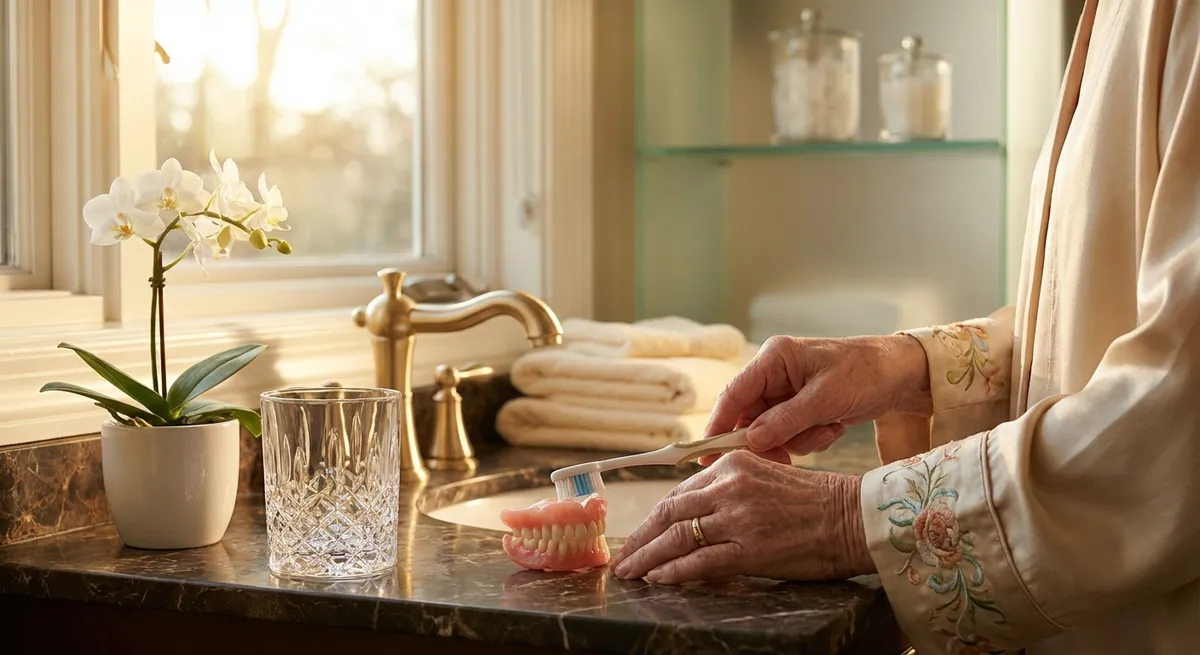
Life with dentures need not feel clinical or conspicuous. With the right approach, oral hygiene becomes less of a chore and more of a quietly luxurious ritual—an investment in comfort, confidence, and long-term oral health. This is where refinement matters: the textures you choose, the timing you keep, the discretion with which you care for your smile.
Below, we explore a polished, elevated view of oral hygiene for denture wearers, including five exclusive insights that go beyond standard advice—details that discerning readers will recognize as the difference between “good enough” and “exceptional.”
Designing a Denture‑Friendly Oral Environment
Before a toothbrush touches acrylic or porcelain, the foundation of excellent denture hygiene is the health of the mouth that supports them. Even with full dentures, the gums, tongue, and oral tissues remain living, responsive surfaces that must be treated with care.
A premium routine begins with the understanding that dentures are guests in a delicate environment. Rinsing with lukewarm water after meals removes food particles and reduces the film that feeds odor-causing bacteria. Gentle brushing of the gums, palate, and tongue with a soft brush—without dentures in place—promotes circulation, reduces plaque buildup, and lowers the risk of infections. Think of this as skincare for your mouth: no harsh scrubbing, no extremes in temperature, and products chosen with intention rather than habit.
Professional checkups remain essential. Even if every natural tooth has been replaced, your dentist evaluates the fit of your dentures, screens for oral cancer, and monitors the condition of your supporting bone and tissues. A well-maintained oral environment ensures that your dentures sit comfortably, age gracefully, and function beautifully.
Elevated Daily Care: Beyond the Basic Rinse
Standard guidance tells denture wearers to remove and clean their appliances daily. A refined approach introduces nuance in how, when, and with what you clean them.
Dentures should be brushed at least once a day with a soft denture brush and a non‑abrasive denture cleanser, never standard toothpaste, which can create microscopic scratches. These scratches are not merely cosmetic—they act as microscopic harbors for bacteria and stains. Choosing a high‑quality, effervescent cleanser and allowing proper soaking time supports both hygiene and longevity of the materials.
Temperature control is another subtle but critical detail. Hot water may feel instinctively “more cleansing,” yet it can warp the denture’s base over time, compromising fit. Cool to lukewarm water preserves the structural integrity of the appliance while still enabling thorough cleaning. After soaking, a careful brush under running water removes loosened debris and cleanser residue, preparing the denture for comfortable wear.
Storing dentures overnight in a dedicated container—never in tissue on a bedside table or tucked discreetly into a pocket—protects from accidental damage and maintains dimensional stability, especially when submerged in water or proper soaking solution. This is a quiet act of respect for a finely crafted medical device that plays a central role in your daily presence.
Five Discreet, High‑Level Insights for the Discerning Denture Wearer
The difference between standard denture care and refined denture care often lies in small, intentional choices. These five insights are designed for those who are already doing the basics—and want to elevate every aspect just a step further.
1. Treat Saliva as a Key Ally in Comfort and Cleanliness
Optimal saliva flow is a subtle but powerful factor in oral hygiene. Saliva helps neutralize acids, wash away food particles, and naturally buffer bacterial activity.
For denture wearers, dry mouth (xerostomia) can lead to irritation, increased plaque on dentures, and stubborn odors. If you regularly wake with a dry mouth or feel your dentures “drag” rather than glide, consider this a signal, not a nuisance. Hydration throughout the day, sugar‑free lozenges or gum containing xylitol (if appropriate for you), and, where needed, saliva substitutes recommended by your dentist can restore comfort and cleanliness in a way brushing alone cannot.
2. Curate a “Non‑Negotiable” Night Routine for Oral Rest
Removing dentures at night is more than a recommendation—it is an elegant boundary that protects your oral tissues. Continuous wear inhibits the natural recovery cycle of the gums, increasing the risk of denture stomatitis and sore spots.
A refined night ritual might include: removing dentures; gently brushing gums, tongue, and palate; a brief swirl of an alcohol‑free antimicrobial rinse; then placing dentures into their soaking bath. This rhythm allows the mouth to breathe, quite literally, and reduces the microbial load that accumulates underneath the denture base during the day. Think of nighttime as your mouth’s spa appointment: restorative, uninterrupted, and essential.
3. Protect the “Invisible” Surfaces You Never See
Many denture wearers focus on what shows—the teeth themselves—while neglecting the interior surfaces that rest against the gums and palate. Yet it is precisely these hidden surfaces that trap plaque and harbor yeast and bacteria.
A meticulous routine always includes brushing and inspecting the underside of the denture. Trace your fingers gently along the base after cleaning; it should feel uniformly smooth. Any residual film, roughened patches, or persistent odor despite cleaning suggests biofilm buildup and may require professional polishing. Prioritizing these invisible surfaces results in fresher breath, fewer sore spots, and a more balanced oral microbiome.
4. Harmonize Your Diet with Denture and Oral Health
Oral hygiene does not end at the sink. Your daily menu quietly influences the state of your dentures and the tissues beneath them.
Frequent snacking on sticky, sugary foods encourages plaque on both dentures and any remaining natural teeth. Acidic beverages, when sipped throughout the day, can alter the oral pH and encourage microbial imbalance. A refined approach means favoring water over sweet drinks, enjoying sweets in defined moments rather than throughout the day, and incorporating fibrous fruits and vegetables that require gentle chewing and stimulate the gums and supporting muscles (within your comfort level).
Beyond decay risk, a balanced, nutrient‑rich diet supports the health of your jawbone and oral tissues—particularly important for long‑term denture stability and fit.
5. Reserve Professional Polishing as a Strategic Indulgence
Even the most disciplined routine cannot fully replicate the results of a professional cleaning and evaluation. Over time, minor staining, calculus, and microscopic wear accumulate on denture surfaces, especially if you enjoy coffee, tea, red wine, or richly colored foods.
Scheduling periodic professional maintenance for your dentures—timed with your oral health examinations—acts as a reset. Your dentist or prosthodontist can ultrasonically clean, professionally polish, and assess fit, noting any early signs of friction spots or imbalance before they become painful. This service is not vanity; it is preventive care that protects both the appliance and the oral tissues it relies on.
Integrating Products with Intention, Not Impulse
The oral care aisle offers an array of rinses, pastes, and accessories promising instant freshness. For denture wearers, the distinction between marketing and medically sound choices is particularly important.
Harsh or alcohol‑based rinses may initially feel “strong,” but over time can contribute to dryness and irritation, especially under dentures. A more considered choice is an alcohol‑free, fluoride‑containing rinse if you have remaining natural teeth, or a gentle antimicrobial formula recommended by your provider if you are prone to denture stomatitis or oral thrush.
Similarly, adhesive use should be intentional rather than habitual. When used appropriately, denture adhesive can enhance comfort and confidence, especially during social or professional occasions. Over‑reliance, however, may mask a poor fit that truly requires adjustment or relining. A sophisticated approach means viewing adhesive as a finishing touch, not a daily crutch.
Conclusion
Oral hygiene with dentures is not merely about avoiding problems; it is about cultivating an environment where comfort, aesthetics, and health coexist seamlessly. Thoughtful temperature control, dedicated night rituals, careful attention to hidden surfaces, dietary awareness, and strategic professional care all elevate the experience from functional to refined.
When approached with this level of care, your dentures become more than replacements for natural teeth. They become part of an intentionally curated routine—quietly luxurious, reassuringly clean, and fully aligned with the standards you set for the rest of your life.
Sources
- American Dental Association – Dentures - Overview of denture types, cleaning guidance, and professional care recommendations
- Mayo Clinic – Dentures: How to Care for Them - Practical, evidence-based advice on daily denture maintenance and oral hygiene
- Cleveland Clinic – Dentures - Detailed information on denture care, fit, and long-term management
- National Institute of Dental and Craniofacial Research (NIDCR) – Older Adult Oral Health - Context on oral health needs and challenges, including tooth loss and prosthetic care
- University of Michigan School of Dentistry – Care of Removable Dentures - Clinical guidance on cleaning techniques, storage, and protecting oral tissues
Key Takeaway
The most important thing to remember from this article is that this information can change how you think about Oral Hygiene.