Precision denture care isn’t about doing more; it’s about doing the right things, carefully and consistently. When you treat your dentures as you would a fine watch or tailored garment, subtle upgrades in your daily routine translate into remarkable comfort, longevity, and confidence. The following maintenance strategies are designed for those who value quiet excellence—five refined insights that go beyond the usual rinse-and-soak advice.
Elevating the Daily Clean: A Gentle, Methodical Approach
The way you clean your dentures each day is the foundation of every other maintenance choice you make. Rather than rushing through a quick scrub at the sink, consider approaching cleaning as a precise, orderly ritual.
Begin by rinsing your dentures under lukewarm (never hot) water to remove loose debris. Hot water can subtly warp the acrylic base over time, distorting the fit. Next, use a soft-bristled brush designed specifically for dentures, along with a non-abrasive denture cleanser. Regular toothpaste—especially whitening or tartar-control formulas—often contains abrasives that can create fine scratches. These microscopic grooves become havens for stains and odor-causing bacteria, even when the dentures appear clean.
Brush every surface deliberately: the outer “tooth” surfaces, the inner fitting surface that contacts your gums, and any clasps if you wear partials. Pay particular attention to the junctions where teeth meet the base; these tiny angles often harbor plaque. Always clean over a basin filled with water or lined with a soft towel—one slip on a hard sink can result in a fracture. This small precaution separates rushed cleaning from a thoughtful, protective routine.
Insight 1: Rotating Cleansers for a More Complete Defense
Most denture wearers rely on a single cleanser tablet or solution day after day. Yet just as skincare enthusiasts rotate products for optimal results, alternating cleaning agents can offer a more comprehensive defense against stains, biofilm, and microbial buildup.
On most nights, a standard effervescent denture tablet in room-temperature water is sufficient to break down plaque and gently disinfect. A few nights per week, consider using a cleanser formulated specifically for stubborn stains or tartar, especially if you drink coffee, tea, or red wine. Always confirm that any product you use is labeled for dentures; household cleaners or undiluted vinegar can damage materials and compromise color or fit.
If you prefer a more minimalist approach, you can alternate between a mild antimicrobial denture soak and a neutral, non-flavored soaking solution. This rotation can reduce surface microorganisms without exposing your prosthesis to the same formulation continuously. The goal is balance: strong enough to be effective, gentle enough to preserve surface integrity and appearance over years, not months.
Insight 2: Curating a Nighttime Soak that Protects, Not Just Cleans
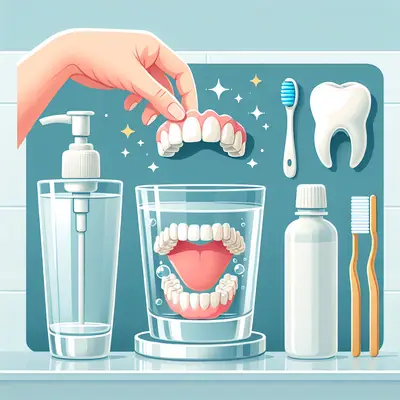
Leaving dentures in a glass of water overnight is a common habit—but with small refinements, this simple step becomes a more protective, sophisticated practice.
First: dentures should not be stored dry. Acrylic materials need consistent moisture to maintain shape and fit. A dry environment can cause subtle shrinkage or warping that you may not notice immediately, but will sense over time as declining comfort or looseness. Use either plain water or a recommended soaking solution; ensure the liquid completely covers the denture.
Second: pay attention to water temperature. Lukewarm is ideal; hot water can alter the material, while very cold water may be uncomfortable to place in the mouth immediately upon waking. Finally, consider the vessel itself. A designated, lidded denture container—cleaned daily—reduces airborne contamination, prevents accidental spills, and keeps your prosthesis discreetly stored. This is more than aesthetics; it’s about maintaining a hygienic, controlled environment for the devices you rely on every day.
Insight 3: Refining Fit Through Thoughtful At-Home Monitoring
Professional adjustments are essential, but your daily observations are what help maintain a truly customized fit between visits. Instead of waiting until discomfort becomes severe, adopt a subtle monitoring routine that catches early changes.
After inserting your dentures each morning, pay attention to the first few minutes of wear:
- Do they feel more secure or slightly looser than usual?
- Is there a new area of pressure or friction?
- Does your bite feel even on both sides when you gently bring your teeth together?
These micro-checks, repeated daily, create a baseline in your mind. If you notice a new sore spot, redness, or a change in how your dentures “settle” into place, resist the temptation to self-adjust by filing or bending anything. Instead, note the time of day and the specific location of discomfort, then share these details with your dentist or prosthodontist. This precise feedback allows for small, elegant refinements rather than drastic corrections.
As your jawbone and gums naturally change over time, a professional reline may be recommended. Viewing relines as scheduled tune-ups rather than emergency fixes helps preserve that close, glove-like fit that distinguishes a well-maintained denture from a merely tolerated one.
Insight 4: Designing a Soft-Tissue Ritual to Complement Denture Care
True denture maintenance is not only about the prosthesis—it is also about cultivating a healthy, resilient foundation of gums, tongue, and oral tissues.
After removing your dentures, gently brush your gums, palate, and tongue with a soft toothbrush or a dedicated ultra-soft gum brush. This stimulates circulation, removes plaque, and reduces the risk of irritation or infection. If you are prone to dryness, a neutral, alcohol-free mouthrinse can refresh without stripping moisture. For many wearers, a mild saline rinse (a teaspoon of salt in a glass of warm water) can be soothing, especially after long days of speaking or eating.
Allowing your mouth at least six to eight hours per day without dentures—usually overnight—gives tissues time to recover. Think of this as an “off-duty” interval for your oral structures. If you must occasionally sleep with your dentures (for example, when traveling or for short-term social reasons), consider making the following night more restorative: extend the soak time, perform a more thorough gum massage, and inspect your mouth carefully for any signs of irritation.
This soft-tissue ritual does more than protect your comfort; it helps maintain the stable, healthy base that your dentures rely on for a secure, consistent fit.
Insight 5: Subtle Lifestyle Tweaks that Prolong Denture Elegance
Some of the most effective maintenance strategies are not found in your bathroom cabinet, but in your everyday habits. A few understated adjustments can greatly extend the life and beauty of your dentures.
First, be selective about temperature extremes. Very hot drinks and foods can, over time, stress denture materials and affect their fit or luster. Allow hot beverages to cool slightly before sipping, and avoid sudden transitions between very hot and very cold items in the same meal.
Second, protect against staining and micro-damage. If you enjoy dark beverages such as coffee, tea, or red wine, follow them with a water rinse to reduce pigmentation settling on your denture surfaces. Extremely hard or sticky foods can place unnecessary stress on the acrylic base or metal components; enjoying these sparingly—if at all—helps maintain the refined contours your dentist carefully crafted.
Finally, store your dentures thoughtfully when they are not in your mouth. Avoid leaving them near windows, heaters, or in a car where temperature fluctuations are significant. Travel with a dedicated, ventilated case rather than wrapping them in tissue or placing them loosely in a bag, where they may be crushed or accidentally thrown away. These small acts of care align with a more elevated philosophy: treating your dentures not as a disposable appliance, but as a finely tuned personal asset.
Conclusion
Exquisite denture maintenance is rarely about dramatic overhauls; it is built from quiet, consistent decisions—better cleansers, more mindful soaking, intentional tissue care, and refined daily habits. When you approach your dentures with the same deliberation you give to other carefully chosen items in your life, the result is unmistakable: a more natural feel, a more confident smile, and a prosthesis that continues to perform beautifully, year after year. The difference is in the details, and those details are firmly within your control.
Sources
- American Dental Association – Dentures - Overview of denture types, basic care recommendations, and professional guidance from the ADA.
- National Institute of Dental and Craniofacial Research – Oral Health in Older Adults - Discusses oral health considerations for older adults, including prosthetic care and soft-tissue health.
- Cleveland Clinic – Dentures: Types, Care & Maintenance - Provides clinical insights into proper cleaning, soaking, and adjustment practices.
- Mayo Clinic – Dentures: How to Care for Them - Covers evidence-based recommendations for daily denture hygiene and handling.
- Columbia University College of Dental Medicine – Dentures and Oral Health - Explores the relationship between dentures, oral tissues, and long-term maintenance needs.
Key Takeaway
The most important thing to remember from this article is that this information can change how you think about Maintenance Tips.