Everyday elegance is rarely accidental. For denture wearers, that quiet refinement is crafted through small, consistent decisions—how you clean, how you store, and how you care for the tissue and bone beneath. Thoughtful maintenance does more than preserve a beautiful smile; it protects your long‑term comfort, your ability to speak with ease, and the confidence that your dentures will perform flawlessly in any setting. This is not about basic hygiene; it is about elevating your routine to a standard that feels deliberate, precise, and reassuringly under control.
Below, you’ll find five exclusive insights that go beyond conventional guidance—details that discerning denture wearers use to keep their prosthetics, and their oral health, in exceptional condition.
1. Calibrated Cleaning: Timing, Water Temperature, and Product Pairing
Thorough cleaning is expected; calibrated cleaning is rare. Rather than simply brushing “twice a day,” anchor your denture‑cleaning rhythm to specific moments: immediately after the last evening beverage, and again after your first unflavored drink in the morning. This timing minimizes overnight plaque formation and ensures that breakfast or morning coffee isn’t trapped against the acrylic all day.
Use only lukewarm water—never hot. Elevated temperatures can cause subtle warping of acrylic and distort the fit over time, especially for thin or finely contoured dentures. If the water feels very warm on your wrist, it is already too hot for the denture.
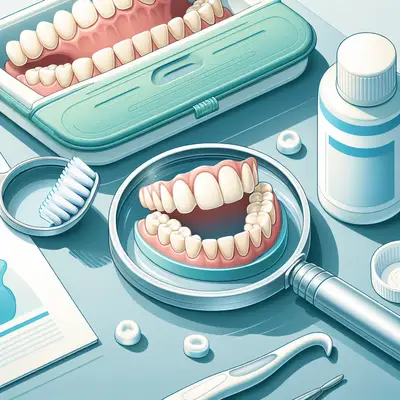
Pair a soft, denture‑specific brush with an enzymatic or effervescent cleanser recommended by your dentist, rather than generic tablets purchased solely on convenience. Enzymatic options are particularly effective at breaking down protein films and biofilm that regular brushing often misses, especially along the intaglio surface that contacts your gums. After soaking, always brush gently to remove loosened deposits, and rinse under running water for at least 30 seconds to clear residual cleanser that could irritate oral tissues.
This precise, temperature‑conscious, timed routine is as much about preserving the structural integrity of the denture as it is about maintaining a spotless appearance.
2. The Nighttime Interval: Creating the Ideal Off‑Duty Environment
The most refined denture routines honor what happens when your dentures are not in your mouth. Removing your dentures for at least 6–8 hours overnight allows the tissues beneath to rest, receive oxygen, and recover from the day’s pressure. This simple interval can reduce irritation, fungal overgrowth, and sore spots that eventually demand more extensive adjustments.
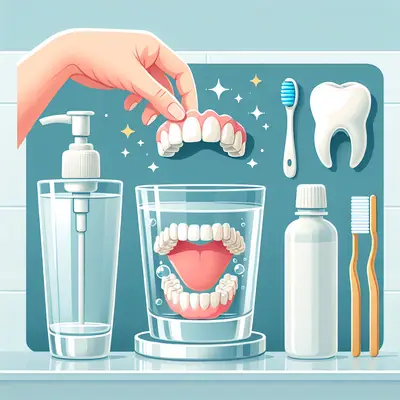
Instead of leaving dentures in a random glass by the sink, curate a specific “resting station.” Choose a covered, non‑metal container large enough for full submersion, filled with fresh, cool or room‑temperature water. If you use a soaking solution, follow the manufacturer’s instructions exactly—leaving dentures in overly concentrated solutions or for excessively long periods can discolor metal components, roughen acrylic surfaces, or weaken soft liners.
Place your container somewhere stable, dry, and away from direct sunlight or heat sources such as radiators or windowsills. This controlled environment helps maintain consistent hydration and shape, ensuring your dentures neither dry out nor overheat. The result is not only improved longevity but also a predictable, comfortable feel each morning, with fewer surprises when you seat your dentures for the day.
3. Tissue Stewardship: Caring for Gums, Bone, and the Hidden Foundation
Exceptional denture maintenance extends beyond the prosthetic itself. Your gums, mucosa, and underlying bone are the true foundation, and they deserve an equally meticulous approach. Once your dentures are removed at night, dedicate a moment to gently massage your gums and palate using a soft toothbrush or a clean, damp gauze pad. This improves circulation, helps clear residual plaque and food particles, and can enhance overall comfort.
If you still have natural teeth, treat them as VIPs: brush with fluoride toothpaste twice daily and clean between teeth with floss or interdental brushes. Remaining teeth are under extra functional and structural pressure when dentures are involved; keeping them stable preserves bite alignment and supports the overall harmony of your prosthetics.
A refined routine also acknowledges that your mouth changes over time. Bone resorption—gradual loss of jawbone height and volume—can subtly alter your denture’s fit even if you care for the appliance perfectly. Scheduling regular dental evaluations (often annually, or as recommended) allows your dentist to track these changes, adjust pressure points, and identify early signs of friction, ulcers, or fungal overgrowth before they become disruptive. Dental visits, in this sense, are not just checkups; they are precision tune‑ups for the hidden architecture that keeps your dentures functioning gracefully.
4. Adhesive as a Tool, Not a Crutch: Precision Use for All‑Day Security
Denture adhesive, when used with intention, can elevate comfort and confidence. When used indiscriminately, it can mask problems and compromise both fit and hygiene. Think of adhesive as a finely tuned accessory, not the primary support.
Apply only a thin, even layer in small dots or strips, as directed by the manufacturer, staying well away from the edges to avoid overflow. Excess adhesive that extrudes onto the gums is not a sign of extra security; it usually indicates too much product or an ill‑fitting denture. If you routinely require large amounts of adhesive for basic stability, that is a clear signal to schedule a professional evaluation.
At the end of the day, be as diligent in removing adhesive as you were in applying it. Rinse your mouth with warm (not hot) water, then gently wipe the gums and palate with gauze or a soft cloth. Some people find that a saltwater rinse afterward (½ teaspoon salt dissolved in a glass of lukewarm water) gives a refreshed, soothed feel.
This disciplined adhesive strategy ensures your denture fit is always honestly represented—so when changes occur, you and your dentist can address them early rather than concealing them beneath layers of paste or strips.
5. Travel and Social Readiness: A Discreet Contingency Kit
The hallmark of a refined maintenance routine is its quiet reliability, even away from home. A thoughtfully assembled denture kit—compact yet comprehensive—can prevent minor inconveniences from becoming social or professional distractions.
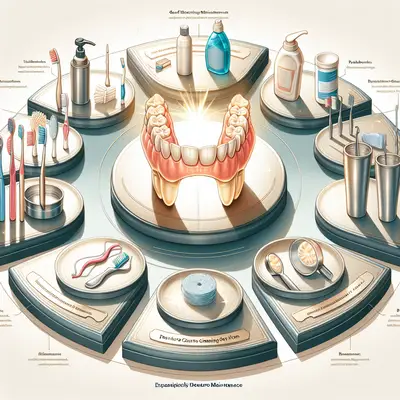
Consider a slim, discreet pouch containing: a travel‑size denture brush, a small bottle of water or access to bottled water, individually packaged denture cleaning wipes or foam swabs, a modest supply of your preferred adhesive, and a ventilated case for temporary storage. If you wear partial dentures with metal clasps, including a soft microfiber cloth can help you gently polish away surface smudges without scratching.
When dining out, a strategic bathroom visit after the meal allows you to rinse, inspect, and reset your dentures before returning to conversation. A quick, private refresh ensures no food particles linger along the denture base or between clasps and teeth—small details that can make a significant difference in how relaxed you feel when laughing, speaking, or posing for photos.
This level of anticipation doesn’t signal anxiety; it conveys quiet assurance. You know you are prepared, your dentures will perform as expected, and your attention can remain where it belongs—on the experiences and people in front of you.
Conclusion
Remarkable denture maintenance is less about elaborate rituals and more about deliberate refinement: calibrated cleaning, a controlled nighttime environment, attentive tissue care, honest adhesive use, and discreet preparedness beyond the home. These habits preserve not only the appearance of your dentures but the ease, comfort, and quiet confidence with which you wear them every day. When your maintenance routine reaches this level of precision, your dentures become less a prosthetic and more a natural extension of how you present yourself to the world.
Sources
- American Dental Association – Dentures – Overview of types of dentures, basic care recommendations, and professional guidance
- Mayo Clinic – Dentures: How to Care for Them – Practical advice on cleaning, storage, and daily maintenance for dentures
- Cleveland Clinic – Dentures – Detailed information on denture types, fit, adhesives, and long‑term management
- National Institute of Dental and Craniofacial Research (NIDCR) – Oral Health Topics – Evidence‑based insights into tooth replacement options and considerations for oral tissues and bone
- Colgate Oral Care Center – Caring for Dentures – Consumer‑focused guidance on daily denture care, cleansers, and practical tips for wearers
Key Takeaway
The most important thing to remember from this article is that this information can change how you think about Maintenance Tips.