Life with dentures need not feel clinical or conspicuous. With the right maintenance rituals, your prosthetics become a seamless extension of your personal aesthetic—quietly dependable, impeccably clean, and comfortable throughout the day. This is less about “managing” dentures and more about curating an experience: understated, refined, and reliably fresh.
Below, you’ll find a sophisticated approach to denture maintenance, including five exclusive insights that elevate care from basic upkeep to a polished daily standard.
Designing a Daily Ritual, Not a Chore
Denture maintenance is most effective when it feels integrated into your existing self-care, not bolted on as an obligation. Rather than treating cleaning as a rushed, utilitarian task, consider it an intentionally timed ritual—morning and evening, with brief touchpoints across the day.
Begin by anchoring your denture care to habits you already perform without fail, such as your skincare routine or evening wind-down. This ensures consistency while also framing care as part of an overall grooming standard. Use a dedicated, uncluttered area near your sink to store your denture brush, case, and cleaning products. The visual orderliness reinforces the sense that your dentures are not a medical appliance, but an item of personal refinement requiring measured attention. Over time, these structured yet simple steps create a rhythm that preserves both function and aesthetics with minimal effort.
Precision Cleaning: Gentle Methods, Impeccable Results
High-quality dentures deserve tools and techniques that respect their materials. A standard hard-bristled toothbrush or abrasive toothpaste can create micro-scratches, dulling the surface and giving plaque and stains a place to cling. Instead, a soft-bristled denture brush paired with a non-abrasive cleanser is essential.
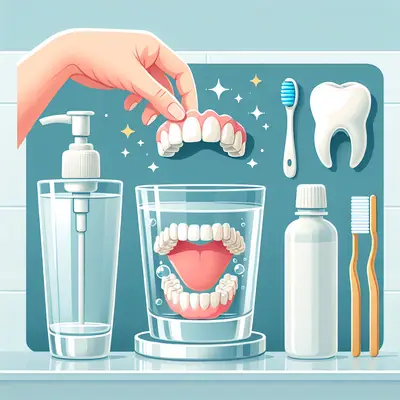
Clean your dentures over a basin filled with water or lined with a soft towel to cushion any accidental drops. Rinse under lukewarm—not hot—water to avoid warping the acrylic. Carefully brush every surface, including the underside and any clasps on partial dentures, with small, methodical strokes. Pay close attention around the “gumline” where staining and plaque can accumulate. A consistent, thorough minute or two of cleaning is far more effective than aggressive scrubbing. This approach preserves both the lustre of the teeth and the integrity of the pink acrylic base, maintaining a natural, refined appearance over time.
Five Exclusive Insights for Elevated Denture Care
1. The “Dry-Contact” Rule for Adhesives
Many denture wearers apply adhesive onto still-damp dentures or slightly wet gums, believing it will spread more easily. In practice, this can cause uneven adhesion and excess product oozing along the edges. Aim instead for a “dry-contact” standard: gently pat the denture’s fitting surface dry with a clean, lint-free cloth and do the same for your gums before applying adhesive. This creates a more secure, even bond, often requiring less product and reducing residue that can be difficult to clean later.
2. A Weekly Microscopic Audit
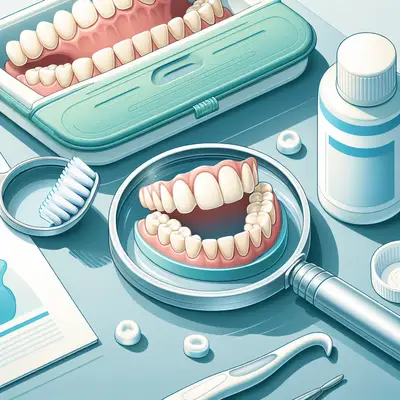
Once a week, examine your dentures under bright, direct light—ideally near a window or under a vanity lamp. You’re looking for early signs of wear that are easily missed in daily use: faint hairline cracks, small changes in the fit around clasps, subtle rough patches, or early staining near the interdental spaces. This quiet, five-minute “audit” often allows you to address issues before they become visible to others or progress to discomfort. If you detect anything unusual, document it (even a quick phone photo) and mention it during your next dental visit.
3. Temperature Zoning for Comfort and Longevity
While many are aware that hot water can warp dentures, fewer people manage temperature exposure throughout the day. Extremely hot beverages can create repeated micro-expansion and contraction of the material, subtly affecting fit and comfort over time. Consider adopting a “moderate-temperature” philosophy: allow very hot drinks to cool slightly before sipping, and avoid rinsing dentures in very cold water immediately after consuming something hot. This gentle approach respects the material properties, helping maintain fit, minimizing microfractures, and supporting stable, all-day comfort.
4. A Dual-Care Focus: Dentures and Oral Tissues
The most elegant denture maintenance plans recognize that the prosthetic and the mouth are a single system. Meticulous denture cleaning paired with neglected gums and tongue is an incomplete solution. Once your dentures are out, lightly brush your gums, tongue, and palate with a soft toothbrush or ultra-soft brush head. This stimulates circulation, removes biofilm, and promotes a healthy foundation for your dentures to rest on. A clean, well-conditioned oral environment not only improves comfort and breath but also supports a more stable, confident fit.
5. Quiet Freshness: Scent-Neutral Storage and Travel
Many cleaning products are heavily scented, and while a fresh aroma can be appealing, overwhelming fragrance can clash with fragrances, skincare, or simply feel artificial. Choose unscented or lightly scented denture cleansers when possible, then store your dentures in a ventilated case that allows for subtle air circulation rather than a fully sealed, damp environment. For travel, invest in a compact, discreet case with a removable inner tray, so you can rinse and dry both the tray and denture thoroughly. This maintains a sophisticated, “quietly fresh” standard—clean and pleasant without announcing itself.
Nightly Care: Resetting the Smile for Tomorrow
Nighttime is when your dentures and your mouth recover from the demands of the day. Removing dentures while you sleep is not merely a classic recommendation; it’s a precision health measure. This break allows your oral tissues to rest, reduces the risk of fungal overgrowth, and helps maintain long-term comfort and stability.
After cleaning, soak your dentures overnight in a denture-specific cleansing solution or water, following your dentist’s recommendations. Avoid using household disinfectants, bleach-containing solutions, or hot water—they may seem thorough, but they can weaken or discolor the prosthetic. Meanwhile, maintain your oral tissues with a gentle brush or a soft, damp cloth, and if recommended by your dentist, apply a moisturizing gel to prevent dryness. This consistent nightly reset positions your dentures to feel clean, fresh, and comfortable from the moment you put them in the next morning.
Partnering with Your Dentist for Long-Term Refinement
Even the most meticulous at-home routine is enhanced by professional oversight. Dentures, like fine eyewear or tailored clothing, can benefit from periodic adjustment as your oral tissues naturally change. Regular check-ins with your dentist or prosthodontist—typically annually, or as recommended—allow for professional cleaning, fit assessment, and early intervention if any irritation, pressure points, or changes in your bite are detected.
Professional polishing can remove microscopic staining and restore surface shine in a way that home products cannot achieve safely. Your clinician can also evaluate whether a reline, rebasing, or eventual replacement would maintain your desired level of comfort and aesthetics. Seen this way, dental visits are not a corrective measure but an ongoing calibration, preserving the subtle, effortless appearance and feel of your dentures over time.
Conclusion
Exemplary denture maintenance is not about perfectionism; it is about deliberate, understated care that blends seamlessly into your life. With thoughtful daily rituals, precise cleaning techniques, and refined practices like the “dry-contact” adhesive method and weekly microscopic audits, your dentures can remain quietly reliable—supporting your confidence without ever drawing attention to themselves.
By respecting both the prosthetic and the oral tissues that support it, and by partnering with your dental professional, you create a standard of care that feels less like maintenance and more like a personal signature: discreet, polished, and unmistakably well-considered.
Sources
- American Dental Association – Dentures - Overview of denture types and fundamental care recommendations
- Mayo Clinic – Dentures: How to Care for Them - Practical guidance on cleaning, handling, and daily maintenance
- Cleveland Clinic – Dentures - Detailed discussion of fit, adjustments, and long-term management
- National Institute of Dental and Craniofacial Research (NIDCR) – Oral Health for Older Adults - Context on oral health needs and considerations, including prosthetic care
- Colgate Oral Care Center – Caring for Dentures - Consumer-focused breakdown of cleaning techniques and common pitfalls
Key Takeaway
The most important thing to remember from this article is that this information can change how you think about Maintenance Tips.