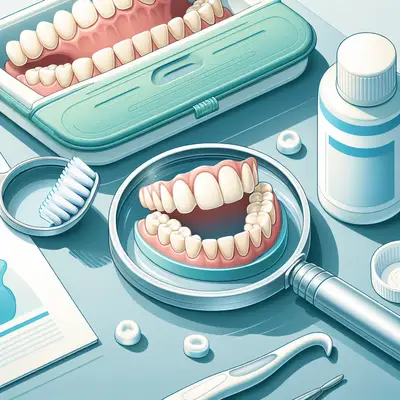
A well-crafted denture is more than a prosthesis; it is an investment in presence, poise, and quiet confidence. Yet even the most meticulously fabricated appliance will only perform as beautifully as it is maintained. True luxury in denture care lies not in grand gestures, but in the refined, consistent choices you make each day—how you handle, cleanse, store, and protect your appliance and the delicate tissues beneath it.
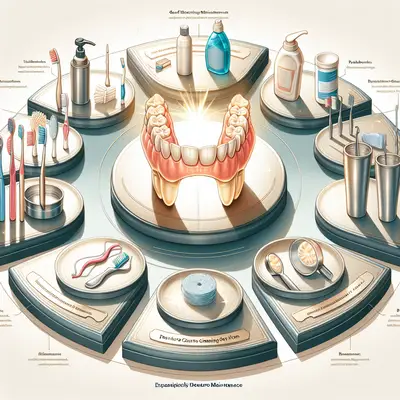
Below, you’ll find a considered approach to maintenance, with five exclusive insights designed for denture wearers who value precision, discretion, and long-term excellence.
The Foundation: Creating a Deliberate Daily Care Ritual
Effective denture maintenance begins with rhythm and consistency. Instead of thinking of care as a list of chores, view it as a curated ritual—morning and evening moments dedicated to preserving clarity of speech, comfort, and aesthetic harmony.
Each day, dentures should be removed and cleaned away from running water, ideally over a folded towel or a basin partially filled with water. This simple habit reduces the risk of fractures from accidental drops. Use a soft-bristled brush specifically designed for dentures and a non-abrasive cleaner; traditional toothpaste is often too harsh and can create microscopic scratches that attract stains and biofilm.
Equally important is tending to the tissues beneath. After removing your dentures, gently massage the gums, palate, and any remaining natural teeth with a soft toothbrush or clean, damp gauze. This stimulates circulation, helps prevent sore spots, and ensures that the foundation upon which your dentures rest remains as healthy as the prosthesis itself.
Insight 1: Curating the Ideal Microclimate for Overnight Storage
Many wearers focus on what to soak their dentures in, but the more sophisticated question is how to create an ideal microclimate for the appliance overnight. Dentures should remain moist at all times to preserve their shape, yet the environment should also discourage bacterial and fungal overgrowth.
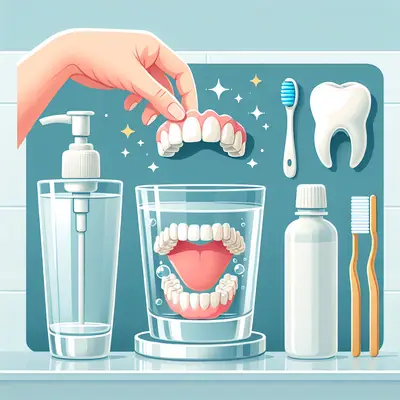
A dedicated, lidded container—opaque or frosted rather than transparent—helps shield the acrylic from UV and household light, which can subtly degrade materials over time. Use fresh, cool or room-temperature water or a dentist-recommended denture solution each night; never reuse yesterday’s liquid, as it may have accumulated microbial debris.
Temperature deserves particular attention. Hot water is a common culprit in warping dentures, undermining fit and comfort. By contrast, a cool, stable environment preserves dimensional accuracy. Place the container in a quiet, consistent location away from radiators, windows, and direct sunlight. This understated, controlled setting quietly extends the life and integrity of the appliance.
Insight 2: Managing Adhesive with Surgical Precision
Denture adhesive, when used properly, can elevate comfort and security; when used casually, it can mask emerging problems and complicate cleaning. The key is precision, not abundance.
Apply adhesive in thin, strategic patterns rather than broad swaths. For most full dentures, a few small dots or short strips—avoiding the edges—are preferable to a continuous coating. This allows for a gentle seal without excessive oozing, which can trap food particles and promote irritation. If you find yourself layering on more adhesive over time to maintain stability, that is a discreet signal that your denture fit or underlying bone structure may be changing and warrants professional evaluation.
Equally refined is the removal process. At night, rinse your mouth first with warm (not hot) water or saltwater to soften residual adhesive, then remove the denture slowly and evenly. Use a soft brush or clean cloth to gently wipe away adhesive from both the denture surface and gums. Avoid scraping or tugging, which can irritate tissues and create micro-tears that are more susceptible to infection.
Insight 3: Safeguarding the Subtle Balance of Oral Tissues
Premium denture wear extends beyond the prosthesis itself; it is about maintaining a harmonious environment in the mouth. Gums, saliva, and oral mucosa all play critical roles in how comfortable and stable a denture feels.
Hydration is central. Many medications and lifestyle factors can reduce saliva flow, leaving the mouth dry and more prone to friction, fungal overgrowth, and sore spots under dentures. Incorporating frequent sips of water throughout the day, using a humidifier at night, and discussing saliva substitutes or stimulants with your dentist or physician can all support a more comfortable oral environment.
Additionally, prioritize rest for the tissues. Allow your gums several uninterrupted hours each night without dentures whenever possible. This “bare” time helps reduce chronic pressure, supports blood flow, and lowers the risk of inflammatory conditions such as denture stomatitis. If sleeping without dentures feels inconvenient, consider framing it as a nightly spa treatment for your oral tissues—a deliberate retreat that helps preserve long-term comfort and resilience.
Insight 4: Quietly Defending Against Stains, Odors, and Microscopic Wear
Visible stains and subtle odors often stem from the same source: microscopic roughness on the denture surface where plaque, calculus, and pigments accumulate. Protecting against these requires both thoughtful cleaning and intelligent restraint.
First, resist the temptation of abrasive home remedies—baking soda, household cleansers, or stiff brushes—which may feel “extra clean” but actually create fine scratches in the acrylic or porcelain. Instead, choose cleansers specifically formulated for dentures and use gentle, circular motions. Rinse thoroughly to avoid leaving residual chemicals that may affect taste or irritate tissues.
Dietary awareness also plays a role. Deeply pigmented beverages like red wine, black tea, and coffee can gradually tint denture materials. You need not avoid them entirely, but rinsing your mouth with water after consumption and ensuring meticulous nightly cleaning can help preserve a refined, natural shade. If odors persist despite proper cleaning, consider this a discreet signal: it may indicate trapped plaque, a fungal imbalance, or an ill-fitting area where food consistently collects—worth discussing promptly with your dental professional.
Insight 5: Embracing Professional Maintenance as a Form of Preventive Luxury
Those who maintain high-performance automobiles or fine watches understand that professional servicing is not an indulgence; it is a necessity. Dentures deserve the same mindset. Scheduled professional maintenance turns potential emergencies into simple adjustments and preserves the dignity of a smile that always feels composed.
Routine dental visits—typically at least once a year, often more frequently for long-term denture wearers—allow for expert inspection of both the appliance and the oral tissues. Your clinician can identify hairline cracks, worn occlusal surfaces, and changes in bite that you may not yet feel but that could impact comfort or jaw health over time. Professional ultrasonic cleaning can remove hardened deposits that at-home tools simply cannot address safely.
Equally important is monitoring the underlying bone and gum structure. Even with impeccable at-home care, the jawbone naturally remodels after tooth loss, subtly altering how a denture fits. Periodic relines, adjustments, or—in some cases—discussions about implant-supported options can prevent chronic sore spots, slippage, and compromised chewing efficiency. Viewing these appointments as part of a deliberate, long-term care strategy ensures your dentures remain as poised and functional in year five as they were on day one.
Conclusion
A truly refined approach to denture maintenance is composed of quiet details: the temperature of the soaking water, the precision of adhesive application, the way you honor your gums’ need for rest, and your willingness to seek professional refinement before problems arise. When these understated choices are woven into your daily life, dentures cease to be a concern and become, instead, a seamlessly integrated part of your personal presentation.
In the end, the most luxurious result is not merely a beautiful smile—but the effortless confidence of knowing that behind that smile lies a thoughtful, expertly maintained routine.
Sources
- American Dental Association – Dentures – Overview of denture types and fundamental care guidelines
- Mayo Clinic – Dentures: Overview – General information on wearing and caring for dentures, including professional follow-up
- Cleveland Clinic – Dentures – Practical advice on cleaning, storage, and managing fit over time
- National Institutes of Health (NIH) – Oral Health in America: A Report of the Surgeon General – Broad context on oral health, including the importance of professional care and tissue health
- University of Rochester Medical Center – Dentures and Partial Dentures – Educational resource on denture maintenance and oral tissue considerations
Key Takeaway
The most important thing to remember from this article is that this information can change how you think about Maintenance Tips.