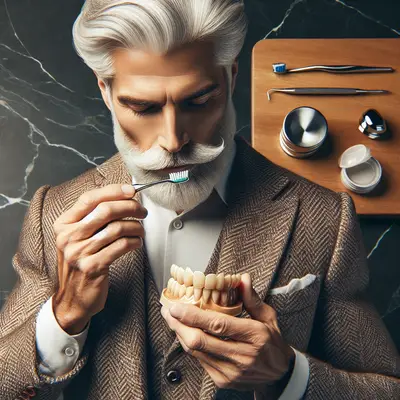
Achieving a truly refined smile with dentures is not only about aesthetics; it is about cultivating an oral environment that feels healthy, balanced, and impeccably fresh. For the discerning denture wearer, oral hygiene becomes less of a chore and more of a polished ritual—one that respects both the prosthesis and the delicate tissues it serves. This guide explores elevated, detail‑oriented practices that go beyond the basics and offers five exclusive insights for those who expect more from their daily care routine.
Reimagining Oral Hygiene When Teeth Are Removable
Wearing dentures reshapes what “clean” means in the mouth. Natural teeth may no longer be present, yet plaque, bacteria, and fungal organisms still find comfortable homes on the tongue, palate, cheeks, and the denture itself. Saliva flow can change, tiny food particles can lodge beneath the base, and ill‑fitting areas can become silent irritants.
Sophisticated oral hygiene for denture wearers therefore has two parallel objectives: preserving the denture as a precision device and protecting the tissues that carry it. This includes avoiding overly abrasive products that etch or scratch acrylic, which can invite more bacteria, and understanding that “minty” does not always equal “medically effective.” A refined approach considers pH balance, biofilm control, and tissue comfort—not simply how quickly stains disappear. In essence, you are maintaining a carefully engineered medical appliance and a living, responsive oral ecosystem simultaneously.
Curating a Thoughtful Daily Sequence
Rather than approaching oral hygiene as a set of disconnected tasks, denture wearers benefit from a deliberate sequence that respects the order in which the mouth becomes truly clean.
A thoughtful morning or evening routine might begin with gently removing the dentures and setting them on a clean, soft towel or over a sink partially filled with water to cushion accidental drops. The next step is a thorough cleansing of the oral tissues: using a soft brush or moistened gauze to massage the gums, palate, and tongue, loosening debris and stimulating circulation. Only then should the dentures themselves be brushed with a non‑abrasive cleanser designed for prosthetic materials, focusing on areas that contact the gums and any clasps for partial dentures.
Soaking—often recommended by clinicians—can then serve as both disinfection and a “spa moment” for the appliance, provided the solution is appropriate for the specific denture. The ritual concludes with a water rinse for the mouth, and, if indicated, a carefully chosen alcohol‑free mouthrinse. This smooth, consistent sequence reduces missed areas and transforms the process into something intentional and repeatable rather than hurried and fragmented.
Exclusive Insight 1: Treat Your Soft Tissues Like Fine Fabric
Many denture wearers focus on the prosthesis and inadvertently neglect the foundation beneath it: the oral mucosa. Yet the health, color, and resilience of your gums and palate determine how comfortable and stable your dentures feel.
Think of your soft tissues as you would a fine silk garment—worthy of gentle, consistent attention. Use a very soft toothbrush or a piece of damp gauze to lightly massage all areas that come into contact with the denture base, including the palate and the ridge. This removes biofilm that can cause bad breath and irritation, and also stimulates blood flow, which supports tissue resilience. For those prone to dryness or irritation, discuss with your dentist the use of saliva‑substitute gels or lubricating products after cleaning, especially overnight. This level of care can subtly enhance the way your denture “settles” each morning and reduce the risk of sore spots over time.
Exclusive Insight 2: Master the Art of Overnight Denture Rest
“Never sleep in your dentures” is familiar advice, yet the refinement lies in how you orchestrate your overnight routine. True rest for your tissues is not simply about removing the appliance—it is about optimizing what happens during those hours.
After cleansing both your mouth and the denture, consider applying a thin film of a dentist‑recommended soothing gel to areas that tend to experience pressure. This can give your tissues a restorative interval while you sleep. At the same time, ensure your denture is soaking in a solution appropriate to its materials; some metal‑containing partials require specific formulas to avoid corrosion. The container should be covered and placed away from direct heat, with water refreshed daily, not “topped off” indefinitely.
If you must occasionally sleep with your dentures—for example, when traveling or for social comfort—reserve this for rare exceptions, never your default. In that case, elevate your hygiene routine the following morning: slightly longer tissue brushing, meticulous denture cleaning, and, if your dentist recommends it, a brief antimicrobial mouthrinse to reduce accumulated overnight biofilm.
Exclusive Insight 3: Refined Control of Denture Adhesives
Adhesives can be transformative when used precisely and conservatively—and problematic when overused. Excess adhesive can trap food debris, alter taste, and make cleaning unnecessarily laborious. A sophisticated approach treats adhesive like a finely measured cosmetic, not a filler.
Begin with the smallest amount that provides comfort and stability, placing it in discreet, evenly spaced points rather than a heavy continuous line. Avoid placing adhesive too close to the edges of the denture, which encourages overflow and buildup along the borders. At day’s end, remove residual adhesive from both your gums and the denture with patience: use warm water, gentle finger pressure, and, if needed, a soft cloth or gauze—never sharp tools or harsh scraping.
Importantly, if you find yourself increasingly reliant on adhesive to feel secure, that is often a sign that the fit or the underlying bone structure has changed. Instead of simply adding more product, schedule a professional evaluation. A reline, adjustment, or new prosthesis may restore comfort with less dependence on adhesive—and far cleaner daily hygiene.
Exclusive Insight 4: Strategically Managing Dry Mouth for a Cleaner Denture
Dry mouth (xerostomia) is more than a comfort issue; it can change the entire hygiene landscape for denture wearers. Saliva naturally helps cleanse food particles and neutralize acids. When it is diminished—often due to medications or medical conditions—plaque and fungal organisms can flourish on both the tissues and the denture.
Rather than constantly sipping sweetened beverages or relying on strong mints, adopt a more intentional strategy. Hydrate steadily with water throughout the day and consider sugar‑free lozenges or gum containing xylitol if your dentist approves. These can stimulate residual saliva without contributing to decay on any remaining teeth or fostering harmful bacterial growth.
Moisturizing mouth gels or sprays formulated for dry mouth can be applied after evening tissue cleaning to keep the palate and gums more comfortable overnight. Since dry environments favor fungal overgrowth, maintaining impeccable denture and tissue hygiene is especially important—along with prompt professional attention to any signs of redness, burning, or a “coated” feeling, which may suggest denture‑related stomatitis or oral thrush.
Exclusive Insight 5: Elevating Professional Visits into Preventive Rituals
Regular dental visits with dentures should never feel perfunctory; they can be a key part of a sophisticated preventive regime. Even if you no longer have natural teeth, the dentist and hygienist are monitoring the health of your gums, the fit and stability of your dentures, and early signs of oral conditions that you may not see or feel.
Approach these visits as opportunities to refine your routine. Bring your cleaning products with you once in a while and ask whether your brush, cleanser, and soak solution are still ideal for the current condition of your prosthesis. Request a demonstration of optimal brushing angles for both the denture and your tissues, and ask your clinician to evaluate any home remedies or specialty products you are considering.
Professional adjustments, polishing, and periodic relines can dramatically influence how easy your dentures are to clean at home. A smooth, well‑contoured surface resists stain and plaque more effectively than one that is scratched, worn, or slightly warped. When curated thoughtfully, your professional care schedule becomes a cornerstone of your broader oral hygiene ritual, not just a corrective visit when something goes wrong.
Conclusion
Oral hygiene with dentures has the potential to be more than a routine—it can become a polished, reassuring ritual that supports comfort, confidence, and long‑term oral health. By treating your tissues with the care reserved for delicate fabrics, orchestrating true overnight rest for your mouth, using adhesives with precision, managing dryness strategically, and elevating professional visits into preventive consultations, you move beyond the basics into a realm of thoughtful, refined care.
A well‑cared‑for denture does more than look pristine; it functions harmoniously with the living tissues beneath it. For the discerning wearer, that harmony—between prosthesis, practice, and personal confidence—is the real mark of exceptional oral hygiene.
Sources
- American Dental Association – Dentures – Overview of denture types, care, and professional recommendations
- Cleveland Clinic – Dentures: Types, Care & Maintenance – Clinical guidance on cleaning routines, adhesives, and fit considerations
- Mayo Clinic – Dry Mouth (Xerostomia) – Detailed discussion of causes, complications, and management strategies relevant to denture wearers
- National Institute of Dental and Craniofacial Research – Oral Health in Older Adults – Evidence‑based information on oral conditions common with aging, including dentures and dry mouth
- Colgate Oral Care Center – Caring for Your Dentures – Practical insights into day‑to‑day denture cleaning and handling techniques
Key Takeaway
The most important thing to remember from this article is that this information can change how you think about Oral Hygiene.