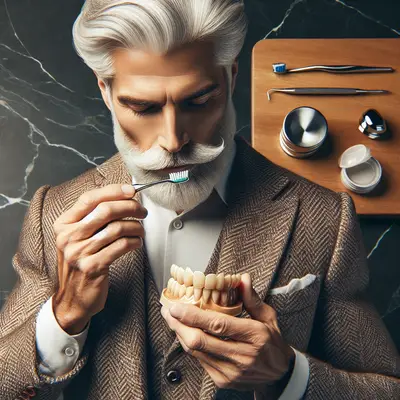
To the refined denture wearer, oral hygiene is not a chore—it is a quiet daily ritual that safeguards comfort, confidence, and longevity. Beyond keeping your prosthetics clean, the true art lies in caring for the entire oral environment: gums, bone, soft tissues, and the balance of your oral microbiome. This is oral care elevated—thoughtful, deliberate, and rooted in evidence rather than habit.
Below, you’ll find a considered approach to oral hygiene, followed by five exclusive, often-overlooked insights that sophisticated denture wearers will appreciate.
The New Foundation: Rethinking Clean in a Denture World
Once natural teeth are replaced, many people unconsciously relax their oral care standards. Yet dentures don’t eliminate oral health concerns; they transform them.
With dentures, the focus shifts from “cavity prevention” to “tissue preservation.” The soft tissues of your mouth—gums, cheeks, palate, tongue—become the true foundation of your prosthetics. Healthy, resilient tissues support a stable fit, more secure speech, and a more natural facial appearance.
Daily denture hygiene should therefore be framed as a comprehensive regimen:
- Cleaning the prosthesis thoroughly, including underside and clasp areas
- Caring diligently for the gums and palate
- Protecting the oral microbiome from fungal overgrowth and irritation
- Preserving remaining natural teeth and supporting bone (for partial denture wearers)
This more holistic lens naturally leads to more refined care practices, where the objective is not just “clean dentures” but a consistently balanced, comfortable oral environment.
Beyond the Brush: Elevating the Daily Ritual
A sophisticated denture routine resembles a curated skincare regimen: layered, gentle, and purposeful.
A premium-level daily sequence might include:
Morning refresh
Remove dentures, rinse them and your mouth with lukewarm water, and gently clean the gums and tongue before reinsertion. This resets the oral environment after overnight dryness or denture soaking.
Targeted denture cleansing
Use a soft denture brush and a non-abrasive denture cleanser (never regular toothpaste, which is often too abrasive for acrylic). Carefully clean all surfaces, paying special attention to areas that contact the gums and any crevices around attachments or clasps.
Oral tissue care
With dentures out, gently massage the gums and palate with a soft toothbrush or damp gauze. This improves circulation, supports tissue health, and helps you detect subtle changes early.
Hydration and lubrication
Particularly for those with dry mouth, integrating saliva-supportive strategies—like sipping water regularly or using saliva substitutes—helps protect tissues and reduce friction from dentures.
Evening reset
Nights are not for wearing dentures. The evening is your opportunity to remove them, soak them in an appropriate solution, and allow the oral tissues to rest and recover.
When this becomes a ritual rather than a rushed task, small details—water temperature, cleanser choice, brush softness—start to matter, and the long-term rewards are significant.
Five Exclusive Insights Sophisticated Denture Wearers Quietly Rely On
Below are five insights that are rarely explained in depth, but that can dramatically elevate your comfort and oral health.
1. The “Naked Hour”: A Daily Reset for Your Gums
Many denture wearers remove their prosthetics only at night. While this is essential, incorporating an additional “naked hour” during the day—when feasible—can be transformative.
With dentures out for a dedicated period each day:
- Gums are relieved of continuous pressure and friction
- Saliva can reach tissues directly, supporting their natural cleansing and protective functions
- Early redness, sore spots, or swelling are easier to notice before they become painful
Use this time to gently massage your gums, rinse with a neutral, alcohol-free mouthwash if recommended by your dentist, and inspect your mouth in good light. For those who value discreet excellence, this is often done during a private routine at home rather than in public, but the impact on long-term oral comfort is substantial.
2. Precision Cleaning Under the Denture: Where Problems Begin
Most instruction focuses on cleaning the visible surfaces of dentures. The more refined approach emphasizes the underside and the exact contact zones with your oral tissues, where biofilm can quietly accumulate.
A sophisticated routine will:
- Pay meticulous attention to the intaglio surface (the inner surface that rests against gums or palate)
- Use a soft, dedicated denture brush specifically for that surface to avoid cross-contamination with household items
- Rinse thoroughly after using any cleanser, as residual chemicals can irritate delicate tissues
Additionally, gently brushing the palate and ridge (the gum area where dentures sit) prevents plaque buildup and fungal overgrowth. This is not about vigorous scrubbing; it’s about consistent, delicate, targeted care.
3. Quietly Guarding Against Fungal Imbalance (Especially Under Upper Dentures)
Complete upper dentures create a warm, covered environment over the palate—ideal for Candida (yeast) if hygiene is even mildly inconsistent. The result, denture stomatitis, can look subtle but feel uncomfortable and compromise denture comfort.
A refined preventive approach includes:
- Ensuring dentures are not worn 24/7—nighttime removal is non-negotiable
- Soaking dentures daily in a product specifically designed to target microorganisms, following the manufacturer’s exact instructions
- Avoiding sugar-heavy snacks or drinks that linger under the denture
- Considering alcohol-free, dentist-approved antifungal or antimicrobial rinses if you’re at higher risk (for example, diabetes, dry mouth, or a history of stomatitis)
This quiet vigilance protects the palate and helps your upper denture remain comfortable and stable.
4. Managing Dry Mouth as a Core Hygiene Strategy, Not a Side Note
For many denture wearers—especially those on certain medications, undergoing cancer therapy, or with systemic conditions—dry mouth (xerostomia) is more than a nuisance; it’s a central factor that reshapes oral hygiene.
Without sufficient saliva:
- Dentures feel less secure and more abrasive
- Food debris clings more readily to prosthetics and soft tissues
- Fungal and bacterial imbalance is more likely
Elevated care means integrating saliva management into your hygiene plan:
- Sip water regularly throughout the day, rather than in large, infrequent amounts
- Use saliva substitutes or oral moisturizing gels if recommended by your dental professional
- Avoid mouthwashes with alcohol, which can further dry tissues
- Discuss with your dentist or physician whether any medications can be adjusted to ease xerostomia
Treating moisture balance as a key pillar of your oral routine—rather than an afterthought—supports both hygiene and all-day denture comfort.
5. Professional Polishing and Fit Checks as Part of Your Hygiene Regimen
For the sophisticated denture wearer, professional care is not reserved for emergencies—it is a scheduled extension of daily hygiene.
Beyond regular at-home cleansing, professional visits allow for:
- Polishing of denture surfaces, reducing microscopic roughness where plaque and stains cling
- Assessment of denture fit, catching subtle looseness before it translates into rubbing, sore spots, or bone loss
- Evaluation of oral tissues, including screening for oral cancer and monitoring any red, white, or thickened patches
- Optional relining or rebasing when the bone and soft tissues change over time
Think of these appointments as your “precision tune-ups.” Even if your dentures feel acceptable, incremental adjustments can maintain that near-effortless comfort and security that defines a truly well-managed prosthetic.
Integrating Denture Care with Whole-Mouth Wellness
A polished denture does not guarantee a healthy mouth; it must coexist with healthy tissues, balanced microbiota, and thoughtful systemic care. Nutrition, hydration, systemic health (such as blood sugar control in diabetes), and even sleep quality can influence how your mouth feels each morning when the dentures go in.
Viewing oral hygiene as part of an overall wellness philosophy—not an isolated task—creates a more sustainable routine. It also makes it easier to recognize early changes: a new pressure point, a shift in fit, a persistent dry sensation, or subtle redness. Responding early, with professional guidance, prevents small irritations from becoming major interruptions to your comfort and your schedule.
Conclusion
Refined oral hygiene for denture wearers is defined not by aggressive products or elaborate gadgets, but by quiet consistency and attention to detail. The most discerning wearers recognize that their dentures are only as good as the tissues that support them, the microbiome that surrounds them, and the care they receive each day.
By embracing practices such as a daily “naked hour” for your gums, precision cleaning under the denture, proactive fungal control, deliberate moisture management, and regular professional polishing and fit checks, you transform routine maintenance into a cultivated ritual. The reward is not only a cleaner prosthesis, but a mouth that feels comfortably, reliably prepared for every conversation, every meal, and every smile.
Sources
- American Dental Association – Dentures – Overview of denture types, care recommendations, and professional guidance on maintenance
- National Institutes of Health (NIH) – Denture Stomatitis Review (PMC) – In-depth discussion of causes, risk factors, and management of denture-related fungal infections
- Mayo Clinic – Dry Mouth (Xerostomia) – Explains causes of dry mouth and management strategies relevant to denture comfort and oral hygiene
- Cleveland Clinic – Dentures: Benefits, Types and Care – Practical, clinician-reviewed advice on daily denture care and professional follow-up
- American Cancer Society – Oral Cavity and Oropharyngeal Cancer Early Detection – Details on oral tissue changes and warning signs that should be monitored during routine self-exams
Key Takeaway
The most important thing to remember from this article is that this information can change how you think about Oral Hygiene.