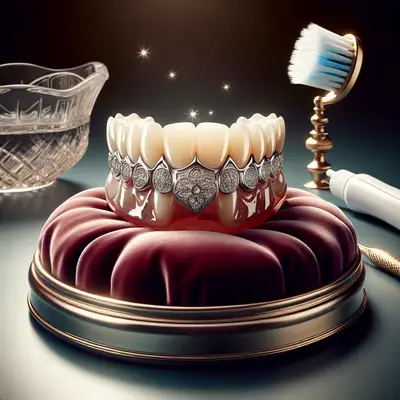
Denture care at its finest is almost imperceptible. The most refined routines are not about visibly “managing” dentures; they are about orchestrating a level of comfort, aesthetics, and function so polished that your smile simply becomes part of who you are. This guide explores a more elevated approach to living with dentures—one that prioritizes quiet precision, long-term health, and subtle luxury in everyday care. Along the way, you’ll find five exclusive insights that discerning denture wearers can use to upgrade their own standards.
Redefining Comfort: Precision Fit as a Daily Discipline
A comfortable denture is not a one-time achievement; it is an ongoing collaboration between you, your dentist, and your daily habits. Even the finest dentures will respond to natural changes in your gums and jaw over time, which is why a sophisticated care routine treats the fit as a dynamic, evolving element rather than something “set and forget.”
Start by noticing micro-signals: a slight shift in how your teeth meet, a faint click while speaking, or a new area of tenderness after a meal. These subtleties, often dismissed as minor annoyances, are actually early indicators that your fit is drifting from its ideal. Addressing these nuances promptly—by scheduling adjustments or relines before discomfort escalates—preserves both dignity and comfort.
Exclusive Insight #1: Treat your denture fit like a tailored garment. Just as a bespoke suit needs occasional adjustments as your body changes, your dentures benefit from periodic fine-tuning. Proactive refinement prevents sore spots, maintains facial support, and helps your prosthesis age gracefully with you.
The Sophisticated Clean: Beyond “Just Brushing”
Refined denture care is as much about technique as it is about tools. While daily cleansing is non-negotiable, the manner in which it is performed determines whether you simply remove surface debris or cultivate a truly pristine, long-lasting prosthesis.
Use a soft-bristle denture brush and a non-abrasive denture cleanser—never standard toothpaste, which can create microscopic scratches that harbor bacteria and stains. Hold your dentures over a basin filled with water or a folded towel; it’s a quiet insurance policy against chips or fractures if they slip. Pay particular attention to the tissue-facing surface, where plaque and biofilm accumulate and can irritate the gums.
Exclusive Insight #2: Elevate your evening routine by separating “maintenance” from “ritual.” Perform your practical cleaning first, then add a brief, intentional inspection under good lighting. Look for hairline cracks, loosened teeth, warping, or discoloration changes. This micro-inspection, done regularly, often catches issues weeks before they become visible or uncomfortable, preserving both function and aesthetics.
The Elegance of Hydrated Tissues and Balanced Surfaces
Flawless denture wear is as dependent on the condition of your oral tissues as it is on the prosthesis itself. A beautifully constructed denture placed on dry, irritated, or inflamed gums will never feel truly refined. Hydration, both systemic and local, quietly underpins the elegance of your daily experience.
Sip water throughout the day, particularly if you take medications known to contribute to dry mouth. Consider discussing saliva substitutes, mouth moisturizers, or sugar-free lozenges with your dentist or physician if dryness persists. At home, maintain your denture’s surface integrity by consistently soaking it overnight in a denture-safe solution—this preserves its shape, supports hygiene, and gives your tissues time to rest.
Exclusive Insight #3: Create a “tissue recovery window” each day. For at least 6–8 hours (often overnight), remove your dentures and allow the gums to breathe unencumbered. Complement this with a gentle gum massage using a soft toothbrush or a clean fingertip wrapped in a damp cloth. This subtle practice enhances circulation, supports healthier tissue tone, and often makes dentures feel more comfortable and stable the following day.
Discreet Stability: Subtle Strategies for Eating and Speaking
Mastery with dentures is largely invisible: a quiet bite, natural speech, and effortless laughter that draw no attention to the prosthesis itself. This level of refinement is attainable with deliberate practice and understated strategies that make daily life with dentures feel less like “managing” and more like living.
When eating, think in terms of balance. Place food on both sides of your mouth to distribute pressure evenly, and introduce firmer textures gradually rather than jumping directly from soft foods to dense or crunchy items. When speaking, practice challenging words or sounds (such as “s,” “sh,” and “ch”) in private—reading aloud in front of a mirror accelerates adaptation and helps you refine tongue placement for clarity without overcompensating.
Exclusive Insight #4: Curate a “confidence menu” for social occasions—a short mental list of foods you know you can enjoy comfortably and elegantly. These are dishes that are neither too sticky nor too brittle, that cut cleanly, and that are easy to manage without drawing attention. This quiet preparation lets you remain present and poised in restaurants, events, or intimate gatherings, rather than mentally tracking what might challenge your dentures.
Strategic Collaboration: Leveraging Professional Care Like a Connoisseur
Premium denture care is not merely about owning a high-quality appliance; it’s about cultivating a long-term, well-informed relationship with your dental team. The most successful denture wearers approach their care as connoisseurs—curious, engaged, and unafraid to request meticulous adjustments in pursuit of quiet perfection.
Schedule regular check-ups not only to assess the fit of your dentures, but also to evaluate your gums, remaining teeth (if you have partials), and the health of your jawbone. Bring specific observations: when during the day the denture feels most secure, where food tends to collect, or which sounds in speech feel less natural. These details give your clinician the precision needed to refine your prosthesis and your bite.
Exclusive Insight #5: Maintain a personal “denture dossier.” Keep a small, discreet record—digital or on paper—of any changes you notice: pressure points, sore spots, subtle shifts in how your lips rest, or even changes in your facial profile over time. Share this at your appointments. This level of documentation transforms your care from reactive to highly strategic, enabling nuanced refinements that protect both your comfort and your appearance.
Conclusion
A truly elevated denture experience is defined not by visible effort, but by the absence of friction in daily life. It is the quiet assurance that your smile looks natural, feels comfortable, and functions reliably, with no need for constant adjustment or self-consciousness. By treating your dentures as a finely crafted instrument—worthy of ongoing calibration, discreet attention to detail, and thoughtful collaboration with professionals—you transform them from a necessity into a refined extension of your personal standard. In that space, your dentures cease to be the focus; your life, lived with ease and quiet confidence, takes center stage.
Sources
- American Dental Association – Complete Dentures – Overview of denture types, care basics, and professional guidance for wearers
- Mayo Clinic – Dentures: How to Care for Them – Practical recommendations on daily cleaning, handling, and when to seek adjustments
- Cleveland Clinic – Dentures – Detailed look at fit, relines, and how oral tissues and bone changes affect denture comfort
- National Institute of Dental and Craniofacial Research (NIDCR) – Evidence-based information on tooth replacement options and oral health considerations
- Columbia University College of Dental Medicine – Caring for Dentures – Professional guidance on maintaining denture hygiene, tissue health, and long-term function
Key Takeaway
The most important thing to remember from this article is that this information can change how you think about Denture Care.