A well-made denture is more than a prosthetic; it is an understated luxury you wear every time you speak, smile, or dine. True refinement lies not only in choosing a beautiful appliance, but in maintaining it with the same discretion and care you might devote to a cherished watch or a bespoke garment. Thoughtful maintenance preserves not just the integrity of the denture, but also the grace of your daily life—quietly ensuring that comfort, freshness, and confidence are constants rather than aspirations.
Below, you’ll find a sophisticated approach to denture upkeep, with five exclusive insights that transcend the usual rinse-and-soak guidance. These are the subtle practices that distinguish routine care from elevated stewardship.
Understanding the Material: Caring for Acrylic Like a Fine Surface
High-quality dentures are typically crafted from acrylic resins and, in some cases, reinforced with metal components. Just as you would not clean fine wood or leather with harsh chemicals, your denture demands a similarly considered approach.
Acrylic is porous at a microscopic level, which means it can absorb pigments, odors, and microbes over time if care is careless or inconsistent. Hot water can warp it, abrasive powders can scratch it, and household cleansers can strip its surface, creating a dull, plaque-attracting texture. Instead, aim for lukewarm water and non-abrasive, denture-specific cleansers. A dedicated soft-bristle denture brush is essential; using a standard toothbrush—especially one designed for whitening—can be surprisingly aggressive.
Storing your denture dry on the counter invites warping and microbial buildup, while soaking it in anything other than plain water or a recommended denture solution risks discoloration or material fatigue. Treat the appliance as you would a precision instrument: controlled environment, appropriate products, and no improvisation with home remedies.
The Night Ritual: Elevating “Soak and Sleep” Into a Gentle Reset
Removing dentures at night is often presented as a basic recommendation; in reality, it’s an opportunity to recalibrate your entire oral environment. Nighttime removal allows the tissues under your denture to decompress, restoring circulation and reducing the risk of sore spots, inflammation, and fungal overgrowth.
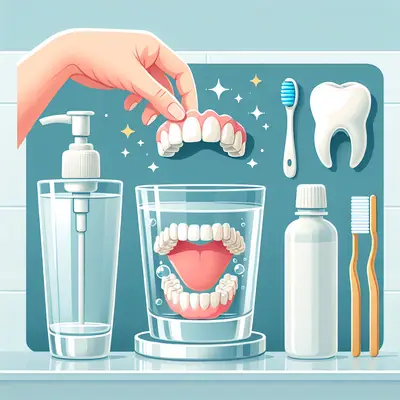
Begin your evening ritual with a thorough rinse to remove food particles, followed by a gentle brush of the denture using a denture cleanser. Then, focus on your oral tissues: massage your gums with a soft toothbrush or a clean fingertip wrapped in gauze, paying attention to any areas of tenderness. This helps maintain healthy blood flow and keeps the mucosa resilient.
The soak itself should be deliberate, not perfunctory. Use a fresh solution each night—never reuse—and follow the product’s recommended duration. Don’t be tempted to soak longer than advised in the hope of “extra cleaning”; over-soaking in strong solutions can, over time, affect the surface of the acrylic and the fit of the appliance.
Place the soaking container on a stable, non-slip surface, away from heat sources or direct sunlight. This small detail protects against temperature fluctuations that could subtly distort the denture. In the morning, rinse thoroughly under cool or lukewarm running water to remove any residual solution before placing the denture in your mouth.
Exclusive Insight #1: The “Midday Refresh” That Prevents Late-Day Discomfort
Many denture wearers accept late-day irritation or looseness as inevitable. A discreet midday reset can prevent this entirely. This is not about a full cleaning, but about a precise, five-minute intervention that preserves comfort and freshness.
At some point in the early afternoon—ideally between meals—step into a private space and:
- Remove your denture and gently rinse it under cool water.
- Rinse your mouth with water or an alcohol-free mouthwash formulated for dry mouth or sensitive tissues.
- Lightly massage your gums with your tongue or fingertip to restore circulation.
- If you use adhesive, remove any residual product from both the denture and your tissues with gauze or a damp soft cloth before reapplying a fresh, minimal amount.
This short ritual helps prevent pressure points, reduces odor-causing buildup, and maintains a secure fit as your tissues subtly change throughout the day. Over time, it can significantly reduce the incidence of sore spots and evening fatigue in the jaw muscles.
Exclusive Insight #2: Temperature and Texture—Curating a Denture-Friendly Menu
Maintenance is not limited to what you do at the sink; it extends to the way you dine. Repeated exposure to excessively hot foods and beverages can gradually stress denture materials and irritate the underlying tissues, making the appliance feel less stable and more uncomfortable over time.
Aim for a “tempered” approach to temperature and texture:
- Allow hot drinks and soups to cool slightly before consuming.
- Favor tender, well-cooked proteins over tough, fibrous cuts that demand aggressive chewing.
- Cut fruits, crusty breads, and firm vegetables into smaller pieces to reduce leverage on the denture.
- Avoid biting directly into very hard or sticky items (like caramel, certain candies, or ice), which can strain or dislodge the appliance.
By curating your menu with intention, you reduce microtraumas to your gums and minimize mechanical stress on the denture. This, in turn, supports a more stable fit and reduces the need for frequent adjustments.
Exclusive Insight #3: The Weekly “Micro-Inspection” to Catch Problems Early
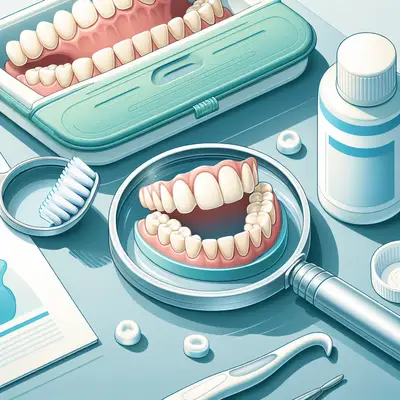
Instead of waiting for discomfort to dictate a dental visit, build a weekly “micro-inspection” into your routine. In a well-lit space, preferably with a magnifying mirror, gently examine your denture and oral tissues.
For the denture, look for:
- Hairline cracks or crazing in the acrylic
- Areas that appear more matte or rough—potential plaque or calculus buildup
- Changes in color along the edges or near the teeth
- Metal clasps (for partials) that appear bent or loose
For your mouth, observe:
- Redness, white patches, or shiny areas on the gums
- Persistent indentations or pressure lines where the denture rests
- Any ulcers, sore spots, or areas that feel thickened or tender
This ritual is not for self-diagnosis but for early detection. If you notice persistent changes that do not improve within a week, or if the fit feels different, contact your dentist or prosthodontist. Addressing small issues early preserves both the longevity of your denture and the health of your tissues.
Exclusive Insight #4: Calibrating Adhesive Use Like a Finishing Touch
Denture adhesive, when used skillfully, is a refinement—not a crutch for an ill-fitting appliance. Overuse can trap food debris, encourage fungal overgrowth, and make cleaning unnecessarily laborious; underuse can lead to instability and friction.
To calibrate adhesive use:
- Begin with the smallest amount recommended by the manufacturer (often described as small dots or thin lines), placed away from the very edges of the denture.
- Press the denture firmly into place and hold for several seconds to secure the seal.
- Evaluate the feel over the course of the day: a stable, comfortable hold without excess material oozing at the margins indicates appropriate use.
If you find you’re frequently increasing the amount to feel secure, this is a sign that the denture’s fit may have changed due to natural bone resorption or wear. Adhesive should polish the experience, not compensate for a fundamental problem. Periodic professional relining or adjustment is the more elegant—and healthier—solution.
Exclusive Insight #5: Choosing a Dentist as a Long-Term Care Partner
Sophisticated denture maintenance includes selecting a clinician who understands not only the mechanics but the aesthetics and lifestyle implications of your appliance. A prosthodontist or a dentist with advanced training in removable prosthetics can be an invaluable partner.
Consider the following when evaluating your care provider:
- Do they schedule regular review visits (often annually, or more frequently if needed) to reassess fit, tissue health, and wear?
- Do they discuss your diet, medications, and any changes in your general health that might affect your oral tissues or saliva?
- Do they offer measured, evidence-based guidance on cleansers, adhesives, and adjunct products rather than recommending aggressive or overly complex regimens?
- Are they attentive to subtle concerns—such as a change in speech, minor clicking when you talk, or a slight alteration in facial support?
A thoughtful clinician will approach your denture not just as a device to replace teeth, but as an integral component of your overall appearance, health, and comfort. This relationship, maintained over years, is one of the most powerful “maintenance tools” you can have.
Conclusion
Denture maintenance at its highest level is a quiet discipline: a constellation of small, attentive habits that collectively preserve comfort, elegance, and assurance. By understanding the material, refining your nightly and midday routines, curating what and how you eat, inspecting with intention, and partnering with a discerning clinician, you elevate your denture from a functional necessity to a carefully maintained asset.
In this fine balance of precision and poise, your smile remains not merely present, but beautifully, reliably composed—day after day, year after year.
Sources
- American Dental Association – Dentures - Overview of denture types, care recommendations, and professional guidance
- Mayo Clinic – Dentures: How to Care for Them - Practical advice on daily cleaning, handling, and when to seek adjustments
- Cleveland Clinic – Dentures - Detailed discussion of fit, maintenance, and long-term oral health considerations
- National Institute of Dental and Craniofacial Research (NIDCR) - Evidence-based information on tooth replacement options, including dentures, and their care
- University of Rochester Medical Center – Oral Care for Older Adults - Guidance on oral hygiene practices, tissue care, and considerations for those using dentures
Key Takeaway
The most important thing to remember from this article is that this information can change how you think about Maintenance Tips.