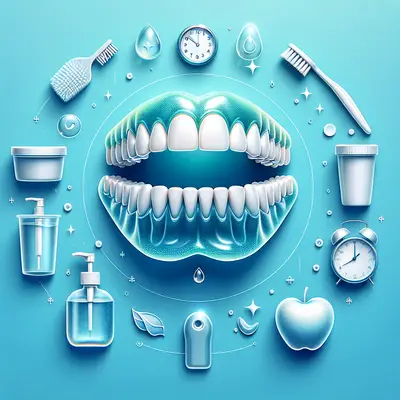
There is an art to wearing dentures well. Beyond basic function, truly exceptional denture care is about preserving comfort, aesthetics, and confidence in a way that feels almost effortless. For discerning wearers, the difference lies in the details: the way materials are treated, the subtle rituals that protect fit and finish, and the quiet knowledge that each choice contributes to a more refined experience. This guide explores those nuances—and offers five exclusive insights that can transform dentures from a mere necessity into a carefully curated asset.
Understanding the Architecture of Your Dentures
To care for dentures at a higher level, it helps to understand what you are actually maintaining. Most modern dentures are crafted from acrylic resins, sometimes combined with metal frameworks or flexible polymers. Each material responds differently to temperature, moisture, and cleaning agents. When you view your dentures as precision prosthetics rather than simple “plates,” your care standards naturally rise.
Acrylic, for example, is porous on a microscopic level, which means it can absorb pigments and harbor bacteria if not cleaned correctly. Metal clasps in partial dentures can be exquisitely engineered but vulnerable to harsh cleansers. Even the polished surface of a well-made denture is a deliberate feature, designed to resist plaque accumulation and staining. Understanding these details helps you appreciate why shortcuts—like abrasive toothpaste or very hot water—gradually erode refinement, both in appearance and in fit.
A sophisticated care routine therefore begins with alignment: aligning your expectations with the reality that your dentures are finely tuned medical devices, and that they respond best to measured, thoughtful maintenance rather than improvised solutions.
Precision Cleaning: Beyond “Clean Enough”
Many denture wearers focus on “visibly clean.” The more elevated standard is “clinically clean”—achieved through deliberate technique rather than simply longer brushing. A soft-bristled denture brush, dedicated only to your prosthesis, allows for thorough cleaning without scratching the surface. Scratches, while invisible at a glance, create micro-grooves that attract plaque and stain, subtly dulling the denture’s surface over time.
Daily, a pH-balanced, non-abrasive denture cleanser is ideal, applied after a gentle rinse under cool to lukewarm water. It is equally important to clean the tissue-facing side of the denture, not just the visible front, to reduce the bacterial load against your gums and palate. Shortcuts—such as using ordinary whitening toothpaste or hard-bristled brushes—may seem efficient but gradually compromise the finish and invite irritation.
An elevated approach also includes consistent timing. Cleaning immediately after removing dentures in the evening, rather than “later,” allows you to remove food debris before it dries and adheres. The result is a fresher surface, less odor, and a longer interval before professional polishing becomes necessary. In essence, precision cleaning is less about effort and more about doing the right things in the right order.
The Overnight Ritual: Giving Your Tissues—and Dentures—Room to Recover
True comfort with dentures is closely linked to what happens when you are not wearing them. Leaving dentures in 24/7 might feel convenient, but it deprives your oral tissues of essential recovery time and increases the risk of fungal overgrowth and soreness. A more curated routine treats night-time as a restorative interval—for both your mouth and your prosthesis.
Once cleaned, dentures benefit from soaking overnight in a solution specifically formulated for dental appliances, not improvised mixtures. This keeps the acrylic dimensionally stable and helps dissolve residual proteins and biofilm. Avoid very hot water, bleach-based household cleaners, or undiluted vinegar; these can warp acrylic, damage metal components, or roughen the surface.
Equally important is what you do for your own tissues. Gently brushing your gums, palate, and tongue with a soft toothbrush while the dentures are out promotes circulation and removes plaque. For those who prefer a heightened sense of freshness, an alcohol-free mouthwash or a mild saltwater rinse can be used—never as a harsh antiseptic, but as a complement to mechanical cleaning. This nightly ritual sustains the harmony between prosthesis and soft tissue, reducing irritation and supporting long-term comfort.
Fit as a Lifestyle Indicator, Not Just a Dental Detail
Many wearers wait until discomfort becomes pronounced before seeking an adjustment. A more refined approach views denture fit as an early indicator of broader changes—weight fluctuations, medication shifts, bone resorption, and even subtle inflammation. Instead of tolerating small annoyances, discerning wearers treat them as useful data.
If your dentures begin to rock slightly, trap food in new areas, or require noticeably more adhesive to feel secure, these may be signs that the contours of your mouth have subtly changed. While over-the-counter relining kits exist, they rarely meet the standard of precision that a carefully fabricated prosthesis deserves. A professional reline, done under the guidance of your dentist or prosthodontist, preserves the original design while accommodating your evolving anatomy.
Scheduled review appointments—once or twice annually—even when everything “feels fine,” allow your clinician to identify pressure points, microscopic fractures, or early signs of fungal infection before they become disruptive. This mindset treats fit not as a reactive problem but as an aspect of ongoing personal maintenance, like tailored clothing being periodically refitted to maintain an impeccable silhouette.
Exclusive Insight 1: Micro-Staining Management With a “Color-Conscious” Day
Refined denture care extends beyond the bathroom to what you enjoy throughout the day. Dark beverages such as coffee, black tea, and red wine are not forbidden, but they do call for a more strategic approach. Rather than eliminating them, you can adopt a “color-conscious” pattern: enjoy these beverages with meals instead of sipping them continuously, and follow with a sip of still water to gently rinse the mouth.
For those particularly concerned with maintaining a luminous denture appearance, using a straw for highly pigmented cold drinks can limit contact with the front surfaces of the dentures. The goal is not asceticism, but smart moderation—recognizing which habits amplify micro-staining and making small, elegant adjustments that protect the brightness of your smile over months and years, not just days.
Exclusive Insight 2: The “Travel Protocol” for Denture Confidence Anywhere
Travel often disrupts established routines, but it need not compromise your denture care standards. Creating a dedicated, compact “denture travel kit” ensures that refinement follows you, whether you are on a weekend trip or a long-haul journey. This kit might include a slim denture brush, a small container of your preferred cleanser, a ventilated hard case, and individually packaged denture cleaning tablets.
On flights, avoid wrapping dentures in napkins or tissues when you remove them to sleep—these are easily discarded by mistake. Instead, place them in a protective case and, if water access is limited, at least rinse them thoroughly with bottled water and store them dry until you reach your destination. This discreet protocol preserves both hygiene and dignity, allowing you to maintain your standards effortlessly away from home.
Exclusive Insight 3: Gentle Adhesive Strategy for a More Refined Feel
Denture adhesives, when used thoughtfully, can elevate comfort without feeling heavy or artificial. The key is a minimalist, strategic application: small, evenly spaced dots or thin strips rather than a continuous thick layer. This approach improves stability while minimizing ooze and residue, making removal and cleaning more refined.
Equally important is selecting the right adhesive texture—cream versus powder—based on your denture’s design and your salivary flow. Those with drier mouths may benefit from cream formulations, while powder can be ideal for a lighter, less noticeable hold in individuals with normal saliva. Rather than defaulting to maximum-strength products, work with your clinician to find an adhesive plan that feels secure yet natural, aligning with your overall standard of subtlety.
Exclusive Insight 4: Discreet Freshness Through Breath and Biome Balance
Breath freshness for denture wearers is best managed not by overpowering flavors, but by controlling the microbial environment. Daily cleaning of both dentures and oral tissues remains foundational, but a more nuanced approach considers how saliva, diet, and medication influence your oral biome.
Staying well hydrated supports saliva’s natural cleansing role, while reducing frequent snacking—especially on sugary or sticky foods—limits fuel for odor-causing bacteria. Sugar-free chewing gum containing xylitol can be a discreet tool to encourage salivary flow and help reduce cavity risk in any remaining natural teeth. Alcohol-free mouth rinses or those designed for dry mouth provide a refined, gentle freshness, without the harsh burn that can feel more like punishment than care.
For those prone to persistent oral odor, professional evaluation is essential. Sometimes the issue lies not only in the dentures but in sinus, gastrointestinal, or systemic health. Viewing breath as a holistic indicator encourages you to address root causes rather than masking symptoms.
Exclusive Insight 5: Scheduled “Spa Appointments” for Your Dentures
Beyond routine dental checkups, many sophisticated denture wearers adopt the concept of an annual or semiannual “spa appointment” for their prosthesis. During these visits, your dentist or prosthodontist can perform an ultrasonic clean, professional polish, and thorough inspection of the denture surfaces and underlying tissues.
This professional refresh can restore the luster that daily brushing alone cannot achieve and may remove accumulated calculus or deep staining. It is also an opportunity to recalibrate everything: evaluate your bite, refine pressure points, and discuss whether subtle design updates—such as improved tooth shade, contour, or material options—could enhance both function and aesthetics. Thinking of these appointments as part of your overall personal maintenance elevates them from obligation to investment, with returns in comfort, longevity, and confidence.
Conclusion
Living elegantly with dentures is less about perfection and more about consistency—small, thoughtful choices repeated over time. From precision cleaning and restorative night-time rituals to travel protocols and scheduled “spa” care, each element contributes to a quietly elevated experience. When you treat your dentures as an integral part of your personal presentation and well-being, care becomes less of a chore and more of a refined routine. The reward is a smile that not only functions beautifully but feels aligned with the standard of care you set for the rest of your life.
Sources
- American College of Prosthodontists – Dentures Overview – Professional guidance on types of dentures, care recommendations, and when to see a prosthodontist
- Mayo Clinic – Dentures: How to Care for Them – Practical, clinically grounded advice on daily denture care and maintenance
- Cleveland Clinic – Dentures – Detailed explanation of denture fit, adjustments, adhesives, and long-term expectations
- Colgate Oral Care Center – How to Clean Dentures – Consumer-focused overview of safe cleaning techniques and common mistakes to avoid
- National Institutes of Health (NIH) – Oral Candidiasis in Denture Wearers – Research-based discussion of denture-related fungal infections and the importance of proper hygiene and overnight removal
Key Takeaway
The most important thing to remember from this article is that this information can change how you think about Denture Care.