A well-made denture does more than restore a smile; it restores presence. Yet the true mark of refinement lies not only in the prosthetic itself, but in how it is cared for—quiet, meticulous habits that keep it pristine, comfortable, and discreetly effective over time. This is not about basic cleaning; it is about elevating maintenance into a thoughtful ritual that preserves both aesthetics and performance.
Below, you’ll find five exclusive, detail‑oriented insights designed for denture wearers who expect more than standard advice. These are the subtle practices that distinguish routine upkeep from truly exceptional care.
1. Curating a “Care Station” Instead of a Cluttered Bathroom Shelf
Most denture advice stops at “clean them daily.” The refined approach begins with the environment in which you care for them.
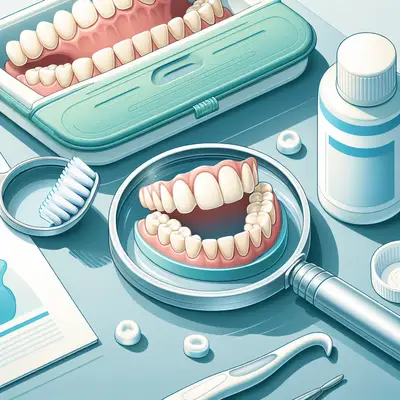
Designate a dedicated “care station”—a small, calm, organized space where everything you need is within arm’s reach. This could be one drawer and a discreet tray, or a vanity corner stocked with:
- A soft, denture‑specific brush and a separate brush for your gums and tongue
- Non‑abrasive denture cleanser tablets or solution
- A clean, lidded container for soaking
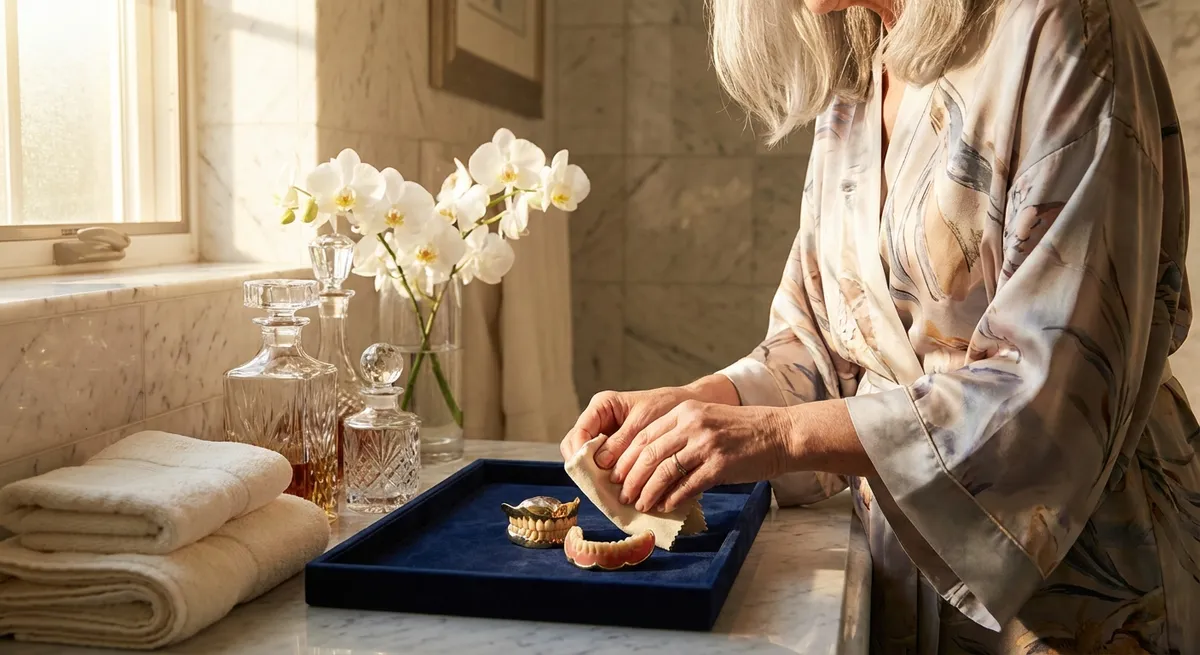
- A plush hand towel or silicone mat to cushion accidental drops
- A magnifying hand mirror or vanity mirror with good lighting
This curated setup serves two purposes. First, it reduces the chance of rushed, careless handling that leads to fractures or warping. Second, it encourages consistency—when the process is visually pleasing and efficiently laid out, you are far more likely to maintain a meticulous routine.
Consider the mood of this station: soft lighting, minimal clutter, perhaps even a small tray just for your denture case. Transforming maintenance into a brief, intentional ritual discourages shortcuts that can prematurely age both the denture and your oral tissues.
2. Mastering the “Gentle Cycle”: Pressure, Temperature, and Time
Denture materials are remarkably durable in the mouth yet surprisingly sensitive to common at‑home missteps. Three variables matter more than most people realize: pressure, temperature, and time.
Pressure:
Vigorous scrubbing with a hard‑bristled toothbrush can create microscopic scratches on the denture surface. These tiny grooves harbor plaque, stain more quickly, and can begin to dull that refined, natural sheen. Instead, use:
- A soft denture brush
- Short, feather‑light strokes
- Extra care around clasps (for partials) and along the fitting surface (the part touching your gums)
Temperature:
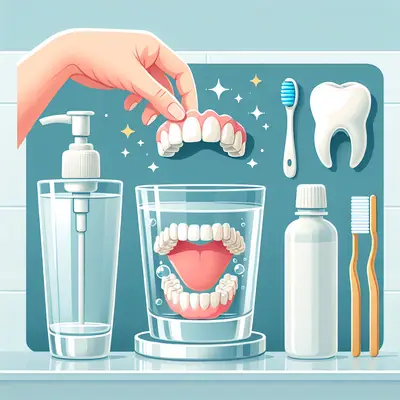
Very hot water can subtly warp denture acrylic over time. The change might be invisible to the eye but sufficient to alter fit and create sore spots. Always use cool to lukewarm water—think “comfortable bath” rather than “steaming tea.”
Time:
Effervescent cleansers are excellent, but longer is not always better. Over‑soaking in strong solutions outside the recommended time can fade pink acrylic, roughen surfaces, and compromise metal components. Follow the product’s timing meticulously, then rinse thoroughly with fresh water.
Treat your dentures as you would fine fabric on a delicate wash cycle—precise handling, controlled conditions, and an appreciation for the material’s limits.
3. Preserving Fit by Caring for the Mouth, Not Just the Denture
An exquisite denture sitting on neglected gums will never feel truly luxurious. The foundation—your oral tissues and any remaining natural teeth—demands as much attention as the prosthetic itself.
Incorporate a brief, daily spa‑level ritual for your mouth:
- Gum massage: After removing your denture, use a soft toothbrush or a clean fingertip wrapped in gauze to gently massage the gums in circular motions. This stimulates circulation, supports tissue health, and can help reduce minor soreness.
- Palate and tongue cleansing: Many wearers overlook the palate (roof of the mouth) and tongue. Gently brushing these surfaces helps reduce bacteria and odors, reinforcing a clean, fresh base for your denture.
- Targeted hydration: A chronically dry mouth can hasten irritation, denture sore spots, and plaque buildup. If you experience dryness, discuss saliva substitutes, moisturizing gels, or prescription options with your dental professional rather than improvising with sugary lozenges or frequent mints.
By maintaining firm, healthy, well‑hydrated tissues, you help preserve the denture’s fit and comfort. You are not just maintaining an appliance; you are supporting the living architecture that allows it to feel natural.
4. A Seasonal Approach: Subtle Checkpoints That Extend Denture Life
Instead of waiting for a problem, adopt a seasonal rhythm to denture maintenance—quiet, deliberate checkpoints that keep performance steady and prevent sudden failures.
Every three to four months, take a few extra minutes to perform a personal “condition audit”:
- Visual inspection under bright light:
Look for hairline cracks, faint crazing in the acrylic, worn teeth, or tiny chips at the edges. These early signs, when addressed promptly, can often be corrected before a full remake is necessary.
- Fit and stability check:
Observe whether you are unconsciously using more adhesive than before, adjusting your denture frequently, or avoiding certain foods. Subtle changes in your bite or small spots of looseness are your early warning system.
- Odor and surface feel:
After cleansing, the denture should feel smooth and smell neutral. A persistent faint odor or slightly “tacky” feeling, even when cleaned, suggests biofilm buildup or microscopic surface damage that warrants professional attention.
Schedule a professional review at least annually—earlier if your seasonal audit reveals changes. A dentist or prosthodontist can reline, polish, or adjust the denture long before it becomes visibly “worn,” preserving both aesthetics and comfort.
5. Elevating Adhesive Use from Emergency Fix to Precision Tool
Adhesive is often treated as a last‑minute solution for poor fit. In a refined routine, it becomes a carefully calibrated tool used intentionally, not casually.
Consider these elevated practices:
- Think “minimal, strategic,” not “more is better”:
Use the smallest effective amount, placed in thin, well‑spaced strips or dots rather than a continuous thick band. Excess adhesive not only feels messy but may affect how the denture settles on the tissue.
- Apply on a completely clean, dry surface:
Any residual cleanser, food, or old adhesive undermines both hygiene and stability. Rinse, brush gently, ensure dryness, then apply.
- Monitor changes in dependence:
A quiet but important metric: if you find yourself needing more adhesive, more frequently, or spread over larger areas than before, treat that as data—not something to ignore. It often indicates tissue changes, bone resorption, or wear that can be corrected with a reline or new denture.
- Nighttime discipline:
Never sleep with adhesive‑coated dentures still in the mouth unless explicitly advised by your dentist. Night is when the tissues recover. Removing the denture and thoroughly cleaning away residual adhesive preserves both comfort and long‑term gum health.
Used thoughtfully, adhesive can refine comfort and confidence without masking underlying issues. The goal is a harmonious trio: well‑crafted denture, healthy tissues, and just enough adhesive to support a secure, graceful performance.
Conclusion
Refined denture maintenance is not about dramatic routines or complicated products. It is about attention—small, deliberate choices that protect the craftsmanship of your prosthesis and the health of the mouth that supports it.
By curating a dedicated care environment, respecting your denture’s material limits, nurturing your oral tissues, adopting seasonal self‑checkpoints, and elevating adhesive use into a precise tool rather than a crutch, you transform daily upkeep into an elegant ritual. The reward is a smile that does more than look natural—it feels composed, confident, and quietly luxurious, day after day.
Sources
- American Dental Association – Dentures – Overview of denture types, basic care, and professional recommendations
- Mayo Clinic – Dentures: Options, Care and Adjustments – Guidance on fit, adjustments, and long‑term expectations
- Cleveland Clinic – Dentures – Detailed explanation of denture use, maintenance, and oral health considerations
- National Institute of Dental and Craniofacial Research (NIDCR) – Older Adult Oral Health – Context on oral health changes with age, including tooth loss and prosthetic needs
- Colgate Oral Care Center – Denture Care 101 – Practical tips on cleaning routines, adhesives, and daily wear considerations
Key Takeaway
The most important thing to remember from this article is that this information can change how you think about Maintenance Tips.