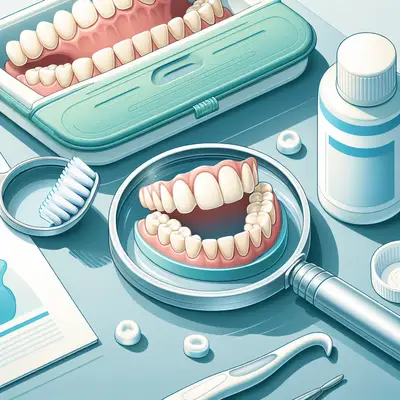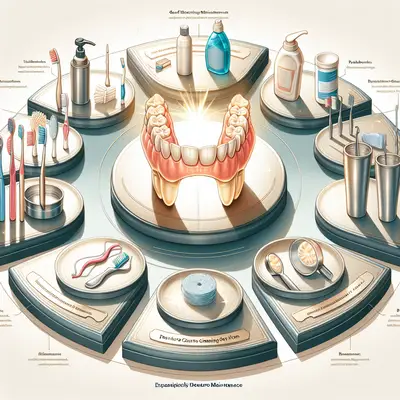
A beautifully maintained denture doesn’t announce itself—it simply allows your smile to move through the world with quiet assurance. Beyond basic cleaning instructions lies a more refined approach: one that treats your denture not as a medical appliance, but as a crafted object of daily luxury. This is where meticulous habits, curated tools, and considered choices come together to protect both your prosthesis and your natural oral tissues.
Below, you’ll find not only foundational maintenance guidance, but also five exclusive, elevated insights designed for denture wearers who value discretion, longevity, and comfort in equal measure.
Elevating Daily Care: Beyond “Brush and Soak”
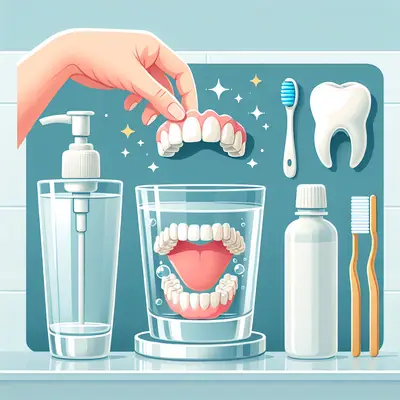
Daily maintenance is often reduced to a simple formula—brush, soak, repeat—but a more refined ritual considers texture, timing, and technique. Use a purpose-made denture brush or an ultra-soft toothbrush, and think in terms of polishing rather than scrubbing; excessive pressure can create micro-scratches that harbor bacteria and stain over time. Opt for non-abrasive denture cleansers instead of regular toothpaste, which is typically too harsh for acrylic and porcelain surfaces.
Temperature matters as well: always rinse and soak in cool to lukewarm water, as hot water can warp the denture’s shape, compromising fit and comfort. After meals, a brief, gentle rinse under running water dislodges food particles and reduces odor without needing a full cleaning. By treating each contact with your denture as intentional—rather than rushed—you not only preserve its structure, but also maintain the subtle sheen and translucence that keep it looking convincingly natural.
The Nighttime Ritual: Restoring Tissues and Materials
Night is when both your oral tissues and your denture should recover. Removing your denture while you sleep relieves constant pressure on the gums and underlying bone, which can slow down the natural resorption process that affects fit over time. Place the denture in a dedicated container filled with a recommended soaking solution or plain water (never let it dry out, as this can cause warping or micro-cracking).
Before bed, give equal attention to your mouth itself. Gently brush your gums, tongue, and palate with a soft toothbrush to remove plaque and stimulate circulation. For partial denture wearers, carefully clean natural teeth with a fluoride toothpaste and consider an interdental brush or floss threader around clasped teeth, where plaque tends to accumulate. This dual care—prosthesis and oral tissues—keeps inflammation, bad breath, and fungal overgrowth at bay, contributing to a fresher, more refined experience the moment you reinsert your denture each morning.
Precision Cleaning: Protecting Fit and Surface Integrity
One of the most underestimated aspects of denture maintenance is the precision with which you clean the less visible areas. Pay particular attention to the underside of the denture, where it contacts the gums, as plaque and calculus can accumulate here quietly. Over time, this buildup not only irritates the mucosa but can subtly alter the way the denture seats, making it feel unstable or rough. A gentle circular motion, especially around the margins and any metal components on partials, helps preserve a smooth interface.
Avoid improvised “shortcuts” like bleach-based household cleaners, vinegar soaks, or abrasive kitchen scourers. While they may seem effective at removing stains, they can weaken acrylic, corrode metal clasps, or cause discoloration that is difficult to reverse. When in doubt, align with products specifically labeled for dentures and approved by dental professionals. This disciplined selectivity protects the integrity of the material, helping your denture age gracefully instead of prematurely.
Five Exclusive Insights for the Discerning Denture Wearer
1. Curate a “Denture Station” to Reduce Accidental Damage
Instead of cleaning your denture wherever is most convenient, establish a dedicated space—a “denture station.” Place a soft towel or silicone mat in the sink basin or on the counter to cushion accidental drops, which are a leading cause of fractures and chipped teeth. Keep your specialized brush, cleanser, and storage case in this one place, away from harsh chemicals and heat sources. This small, organized setup not only reduces the risk of damage but also transforms maintenance into a calm, predictable ritual rather than a rushed afterthought.
2. Pair Your Denture Care with Lip and Cheek Wellness
A refined denture care routine extends beyond the appliance itself. Hydrated lips and supple cheek tissues enhance comfort and aesthetics, especially if you wear your dentures for many hours each day. Use a high-quality, fragrance-free lip balm regularly to prevent cracking, which can make denture edges feel more abrasive. Gentle facial and cheek massages—using the pads of your fingers in circular motions—can stimulate blood flow and ease tension in muscles that adapt to speaking and chewing with dentures. The result is a softer, more natural expression and less end-of-day fatigue.
3. Map Your “Denture Pressure Points” with Intention
Many denture wearers accept small sore spots as inevitable; a more sophisticated approach is to observe them as diagnostic clues. When you notice tenderness, take note of the exact area on both the denture and your gum. At your next dental visit, share this “map” with your clinician. This allows for highly precise adjustments rather than generalized grinding. Avoid self-adjusting with nail files, sandpaper, or knives—these improvisations can distort key contact points, creating new sore areas and weakening structural balance. Strategic, professional refinements keep the denture feeling effortless day after day.
4. Consider a Seasonal “Denture Wardrobe Check”
Just as you might reassess tailoring at the start of a new season, schedule a comprehensive denture and oral health evaluation at least once a year. Over time, normal changes in bone and gum contours can subtly loosen the fit, even if the denture itself is unchanged. A professional reline or rebasing can restore contact and comfort without necessitating an entirely new prosthesis. This “wardrobe check” is also an ideal time for an in-office ultrasonic clean and polish, which can lift deep stains and hard deposits that home care cannot fully address, returning a refined finish to your smile.
5. Build a “Quiet Contingency Kit” for Life On the Move
For those who travel, attend events, or spend long days away from home, a discreet denture kit is indispensable. Include a compact case, travel-sized cleanser tablets, a soft brush, and perhaps a small tube or packet of denture adhesive if your clinician has recommended it. Add a few individually wrapped, sugar-free xylitol mints or gum (if safe for your particular denture design) to stimulate saliva and maintain freshness. With this kit in your bag, you are prepared for unexpected meals, long conversations, or extended outings—without compromising comfort or confidence.
Nutrition, Hydration, and the Subtle Role of Saliva
Your denture’s condition is closely linked to what you eat and drink. A diet rich in crisp fruits and vegetables, lean proteins, and adequate calcium supports the health of your underlying bone and soft tissues, which in turn helps maintain a more stable fit. Staying well-hydrated preserves saliva flow, an often-overlooked factor in denture comfort: saliva acts as a natural lubricant and contributes to the thin film that helps full dentures adhere to the gums.
Be mindful with acidic beverages, red wine, coffee, and dark teas, as these can stain denture teeth over time; if you indulge, follow with a water rinse. Avoid frequent snacking on sticky, sugary foods that cling to both dentures and any remaining natural teeth, intensifying plaque build-up and odor. By aligning your dietary habits with your maintenance practices, you create an environment in which both your prosthesis and your oral tissues can remain balanced and healthy.
When to Seek Professional Refinement, Not Just Home Care
Even the most meticulous home routine has limits. Persistent sore spots, new clicking sounds, slipping when you speak, or food collecting under the denture are all signs that a professional review is due. Do not mask these issues with excessive adhesive; while short-term use may be appropriate, long-term reliance often indicates poor fit rather than insufficient product.
Your dental professional can assess whether you need a simple adjustment, a reline, or in some cases, a new appliance that better reflects changes in your oral anatomy. Regular check-ups also allow for oral cancer screenings, examination of any remaining teeth, and assessment of fungal or bacterial imbalances. This ongoing partnership between home care and professional oversight is what transforms a denture from a static object into a dynamic, well-managed part of your overall wellbeing.
Conclusion
Refined denture maintenance is less about rigid rules and more about intentional choices: curated tools, gentle techniques, and a thoughtful awareness of how your prosthesis interacts with your tissues, your habits, and your lifestyle. By elevating your routine—from a dedicated denture station to seasonal fit reviews and a quiet contingency kit—you protect not only the appearance of your smile, but also the quiet confidence that comes with knowing your dentures are impeccably cared for.
When your maintenance practices are this considered, your dentures don’t become the focus of attention. Instead, they fade elegantly into the background, allowing your expression, your words, and your presence to take center stage.
Sources
- American Dental Association – Dentures – Overview of denture types, care recommendations, and professional guidance
- Mayo Clinic – Dentures: Understand the Types and Care – Practical information on daily care, fit, and when to see a dentist
- Cleveland Clinic – Dentures: Uses, Types & Care – Detailed discussion of maintenance, relining, and long-term expectations
- Colgate Oral Care Center – Caring for Dentures – Consumer-focused tips on cleaning methods, products, and common mistakes
- National Institute of Dental and Craniofacial Research (NIDCR) – Older Adults and Oral Health – Context on oral health in later life, including considerations relevant to denture wearers
Key Takeaway
The most important thing to remember from this article is that this information can change how you think about Maintenance Tips.