Denture care, at its best, is not merely maintenance—it is quiet curation. A refined denture routine protects the integrity of your prosthetic, preserves the health of your mouth, and sustains a polished, natural-looking smile. When approached with intention, even the smallest habits can meaningfully elevate comfort, appearance, and longevity. Below, we explore a more considered approach to daily care, and highlight five exclusive insights that discerning denture wearers tend to embrace before everyone else.
Elevating the Everyday Clean: Beyond “Good Enough”
A clean denture is more than a visual standard; it is a microbiological one. Plaque, food particles, and biofilm can accumulate on denture surfaces as readily as they do on natural teeth, and if left unaddressed, they can lead to irritation, bad breath, and fungal or bacterial overgrowth.
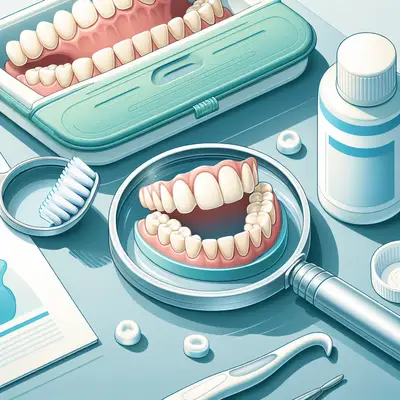
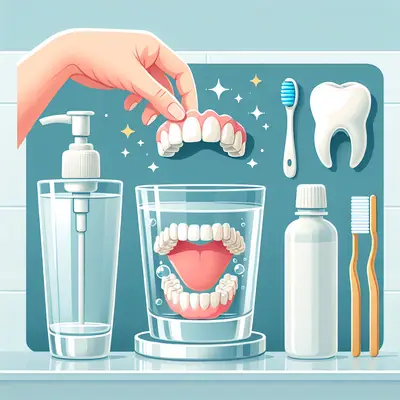
For a refined routine, think in layers rather than quick fixes. A soft-bristled brush specifically designed for dentures, combined with a non-abrasive denture cleanser, offers thorough cleaning without dulling the surface. Ordinary toothpaste is often too abrasive and can cause microscopic scratching that traps stains over time. After each meal, a gentle rinse under cool or lukewarm water removes residual debris before it adheres. Completing the day with a meticulous yet unhurried clean—brushing all surfaces, including the underside that meets your gums—sets the tone for long-term comfort and aesthetics.
The key distinction is intention: instead of rushing through a basic rinse, treat your cleaning ritual as a precision task that protects both your oral tissues and the crafted details of your denture.
The Overnight Ritual: A Spa Standard for Your Dentures
The hours when your dentures are out of your mouth are as important as the hours when they are in. Overnight practices influence fit, freshness, and even the lifespan of the materials.
Dentures should never be allowed to dry out; dehydration can cause them to warp slightly, compromising their fit. Instead, they should rest in a recommended soaking solution or in plain water if a specialized product is not available. Most modern denture materials are optimized for cool or room-temperature environments, so avoid hot water, which may distort the base.
This downtime also gives your oral tissues a necessary break. Wearing dentures 24/7 can trap moisture and create an environment favorable to infections such as denture stomatitis. Allowing your gums to rest, exposed to air, can significantly reduce irritation and improve long-term oral health. Think of this as your daily reset—your mouth recovers, and your denture quietly rejuvenates.
Five Exclusive Insights for the Discerning Denture Wearer
Certain subtleties in denture maintenance aren’t always discussed in standard care leaflets, yet they can make a profound difference in day-to-day experience. These five insights are especially appreciated by those who value both comfort and refinement.
1. Micro-Polishing Habits for Stain Control
Just as you might maintain leather or fine fabrics with occasional careful attention, dentures benefit from “micro-polishing” habits. After your main clean, a few additional seconds focusing on the areas most prone to staining—near the edges where liquids pool, or along the palate and lingual surfaces—can slow discoloration from coffee, tea, red wine, or richly colored foods.
This doesn’t require harsher products; instead, it’s about gently extending contact time with your denture cleanser and applying slightly more focused brushing strokes to these zones. Over time, these micro-adjustments help maintain a more luminous, natural appearance without aggressive whitening treatments.
2. Temperature Awareness as a Protection Strategy
While many people focus on what they eat, fewer consider how hot their food and drink are. Excessive heat can subtly affect denture materials and accelerate wear, especially in partials with metal components. Very hot liquids may also diminish the sensitivity cues you rely on to detect irritation in underlying tissues.
By allowing hot beverages and soups to cool slightly before consumption, you not only protect the structural integrity of your denture but also avoid thermal stress on the oral tissues beneath. This is a quiet, protective habit that pays off in long-term stability and reduced risk of micro-cracks or distortion.
3. Precision with Adhesives—Less as a Luxury, Not a Limitation
Adhesive use is often misunderstood as a sign of poor fit, but in reality, many dentists accept judicious use as a comfort-enhancing tool. The refined approach is minimalistic and deliberate. Using too much adhesive can create an unstable, slippery layer, be difficult to clean, and may even irritate tissues if residue is left behind.
Instead, apply small, strategically placed dots or thin strips in areas recommended by your dentist. This preserves the intimate adaptation between denture and tissue while adding a subtle cushion and improving confidence during speaking and chewing. Equally important: remove adhesive thoroughly at the end of the day—both from the denture and from your gums—to allow a genuinely clean reset.
4. Strategic Rest Days for Irritated Tissues
When the gums or underlying tissues begin to feel sore, the instinct may be to endure and hope the discomfort subsides. Experienced denture wearers, however, recognize the value of “strategic rest.” If you can plan portions of your day at home without your denture—especially after extended social or travel days—this intermittent removal can help inflamed spots recover more quickly.
Coupled with a gentle rinse of the mouth using warm salt water (if approved by your dentist), these periodic rest intervals can prevent small sore areas from becoming ulcerated or infected. This approach respects your schedule while prioritizing the long-term health of the tissues that support your denture.
5. Proactive Checkups as Fine-Tuning, Not Emergency Repair
Many people only return to their dentist when there is a visible crack, break, or significant pain. A more elevated approach treats denture checkups as routine fine-tuning—similar to maintaining a precision instrument. Over time, natural bone resorption subtly changes the contours of your jaw and palate. Even if your denture seems “fine,” it may be slowly losing its ideal adaptation.
By scheduling regular evaluations—often annually, or as recommended—your dentist can identify early friction points, adjust pressure spots, and polish or reline areas before problems become noticeable. This proactive mindset tends to extend the functional life of the denture, reduce emergency visits, and maintain a more natural, seamless appearance.
Harmonizing Denture Care with Oral Health
An exquisite denture can only look and feel its best when the underlying mouth is healthy. That includes any remaining natural teeth, the gums, tongue, and the delicate tissues of the cheeks and palate.
Continue to brush any natural teeth at least twice a day with fluoride toothpaste, and clean between them using floss or interdental tools recommended by your dental professional. Gently brushing your tongue and palate with a soft brush—while the denture is out—can remove bacteria and enhance breath freshness. An alcohol-free mouth rinse or a simple saltwater rinse may be beneficial, especially for those prone to dryness or sensitivity.
Make it a habit to visually examine your mouth when your dentures are removed: look for persistent redness, white patches, ulcerations, or areas that feel rough or tender. Early changes, when noticed and addressed promptly, are far easier to manage and may signal the need for an adjustment or professional assessment.
Conclusion
A beautifully maintained denture is the result of thoughtful details: the temperature of your tea, the precision of your adhesive, the calm minutes you dedicate to cleaning at night, and the respect you give to the tissues beneath. By elevating denture maintenance from basic upkeep to a considered, almost ritualized practice, you protect your investment, your comfort, and your confidence.
In the end, the most sophisticated approach is often the quietest—subtle adjustments, consistent habits, and a partnership with your dental professional that keeps your smile not merely functional, but flawlessly composed.
Sources
- American Dental Association – Dentures - Overview of denture types, care recommendations, and professional guidance from the ADA
- Mayo Clinic – Dentures: How to Care for Them - Practical advice on daily denture maintenance, cleaning, and handling
- Cleveland Clinic – Dentures - Detailed information on fit, adjustments, and long-term care of dentures
- National Institutes of Health (NIH) – Denture Stomatitis Overview - Clinical discussion of inflammation associated with dentures and preventive approaches
- Colgate Oral Care Center – Caring for Dentures - Consumer-focused guide on cleaning methods, soaking, and daily routines for dentures
Key Takeaway
The most important thing to remember from this article is that this information can change how you think about Maintenance Tips.