A well‑crafted denture deserves more than routine care—it merits a thoughtfully curated ritual. When maintenance becomes an art rather than an afterthought, your prosthetics not only look more refined, they also feel more natural, last longer, and support the health of the tissues beneath them. This guide explores understated, detail‑oriented practices that move beyond basic advice, offering denture wearers a more elevated, insider approach to daily upkeep.
Elevating Daily Cleaning: Beyond the Standard Rinse
Rinsing and brushing are the starting point, not the finish line. To preserve both aesthetics and structure, think of your dentures the way you would a finely tailored garment: effective cleansing, minimal abrasion, and a consistent routine matter far more than sporadic “deep cleans.”
Begin by rinsing your dentures under cool or lukewarm water after every meal. This quick step prevents food pigments and acids from lingering on the surface, reducing the risk of staining, odor, and microscopic wear. Reserve a dedicated soft‑bristled denture brush and non‑abrasive denture cleanser for evening care; regular toothpaste is often too harsh and can create tiny scratches that attract plaque and discoloration.
Work systematically—from one clasp or corner to the next—rather than brushing haphazardly. This deliberate approach helps ensure that the palate, borders, and inner surfaces (which sit against your gums) are completely cleaned. Finish with a cool rinse and a visual inspection under good lighting: the goal is not just “clean enough,” but consistently immaculate.
Exclusive Insight #1: The “Gentle Gradient” Water Rule
Many denture wearers are aware they should avoid hot water, but few apply a precise standard. Think of the “gentle gradient” rule: if the water feels clearly warm on your skin, it is too warm for your dentures.
Most modern dentures are made from acrylics and, in some cases, additional materials that can subtly warp or distort with repeated exposure to heat. This warping may be invisible at first yet can compromise the intimate fit that keeps your denture comfortable and discreet. Over time, even mild but frequent heat exposure—very warm tap water, placing dentures near a radiator, or cleaning them in hot water from a kettle—can lead to micro‑distortions.
The refined alternative is to use cool or just barely lukewarm water for every stage: rinsing, brushing, and soaking. This gentle gradient approach protects the material integrity of your prosthetics, preserving both fit and aesthetics over the long term.
Nightly Rest: A Thoughtful Pause for Gums and Prosthetics
Your oral tissues deserve a nightly reprieve from the constant pressure of dentures. Removing your dentures before bed is more than a comfort measure; it is a sophisticated health strategy that helps prevent inflammation, fungal overgrowth, and sore spots.
Once removed, gently brush your gums, tongue, and palate with an extra‑soft toothbrush. This stimulates circulation, dislodges plaque, and reduces the bacterial load that can otherwise collect beneath the denture. Treat this as a brief, intentional ritual rather than a rushed afterthought—it is a key contributor to long‑term oral comfort and freshness.
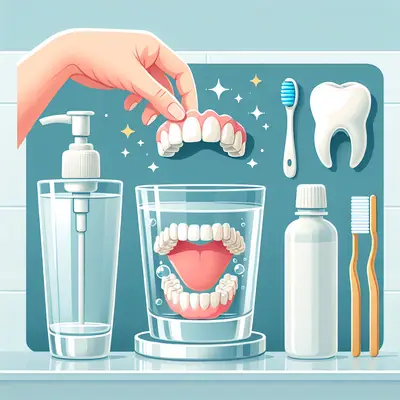
Store your dentures overnight in a purpose‑made denture soaking solution or plain water, based on your dentist’s recommendation and your denture material. The goal is to keep them hydrated; if acrylic dries out, it can change shape slightly, leading to subtle fit issues. Always follow manufacturer and clinician guidance, as some specialized materials have specific care requirements.
Exclusive Insight #2: The “Two‑Surface” Hygiene Mindset
Many people focus almost entirely on the visible, outer surface of their dentures. A more refined approach considers the two critical surfaces: the outward “presentation” side and the inward “foundation” side that rests against your gums.
The presentation side affects how polished and natural your smile appears, but the foundation side largely determines your comfort, breath, and tissue health. Any film left on this inner surface can trap bacteria and yeast against your mucosa, promoting irritation and denture stomatitis.
Adopt a two‑surface mindset each time you clean: first, attend to the glossy outer planes, then deliberately shift attention to the interior. Use smaller, precise brush strokes along the fitting surface and borders, especially where food residue tends to accumulate. This quiet discipline is one of the simplest ways to maintain fresh breath and calm, healthy tissues.
Refining Soaks and Solutions: Subtle Choices, Major Impact
Overnight soaks do much of the “heavy lifting” for stain control and microbial reduction. Yet the product and process you choose can influence everything from comfort to how your dentures age. Effervescent denture tablets, for example, are designed to break down plaque and biofilm while being gentle on the acrylic when used as directed.
Resist the temptation to improvise with household cleaners, bleach, or vinegar unless specifically recommended by your dental professional. While they may seem effective on stains, they can damage metal components, alter acrylic color, or create surface roughness that actually makes future buildup more likely.
Time matters as well. Leaving dentures in a strong solution far beyond the recommended soak duration can gradually affect coloration or hardware. Instead, treat the manufacturer’s instructions as a ceiling, not a suggestion. Once soaking is complete, rinse thoroughly with cool water to remove any residual cleanser before placing dentures back in your mouth.
Exclusive Insight #3: Scheduled “Reset” Soaks for Stain Management
In addition to nightly soaking, many discerning denture wearers benefit from what can be thought of as a scheduled “reset” soak—a more intentional, periodic deep clean guided by professional advice.
If you enjoy coffee, tea, red wine, or richly colored sauces, even excellent daily habits may not fully prevent gradual staining. Rather than increasing abrasiveness in your daily routine (which can damage the surface), speak with your dentist about an appropriate, professionally approved deep‑clean protocol—often once a week or once every two weeks.
This reset might involve a specific enzymatic or oxidizing denture cleanser, used exactly as directed for a defined period. The outcome is a controlled, low‑risk brightening that preserves the denture’s finish while keeping the overall appearance quietly luminous, without resorting to harsh scrubbing.
Handling With Poise: Protecting Form While You Care for Function
Denture maintenance is not only about chemistry and hygiene; it is also about the choreography of how you handle your prosthetics. Many fractures occur not in the mouth, but during cleaning—slipping from wet hands into a hard sink or onto a tiled floor.
Before you begin cleaning, line the sink with a folded towel or fill it with a few inches of water to create a soft landing should the denture slip. Always hold your denture over this cushion, not over bare porcelain or stone. Use a gentle but secure grip: enough to avoid dropping, but not so tight that you stress the acrylic or delicate clasps.
When inserting or removing your dentures, avoid twisting or forcing them into place. Follow the path your dentist demonstrated; graceful, controlled movements reduce stress on both the denture and your natural teeth or implants. If insertion begins to feel tight or awkward, consider it an early sign to schedule a professional evaluation rather than forcing a compromised fit.
Exclusive Insight #4: The “Inspection Angle” Habit
A subtle yet valuable practice is to adopt an “inspection angle” each time you handle your dentures. After cleaning, tilt them under a bright, focused light and rotate them slowly, examining edges, clasps (if any), and the fitting surface.
You are not searching only for cracks, but also for fine lines, areas that appear slightly rougher, or spots where plaque seems to return quickly. These small irregularities can reveal early wear, minor fractures, or zones where your bite may be applying excessive pressure.
Catching these details early allows your dentist to make small, precise adjustments rather than more extensive repairs or remakes later. This inspection angle habit transforms routine maintenance into a subtle form of ongoing quality control.
Partnering With Your Dentist: Professional Care as Preventive Luxury
Regular professional evaluations are not merely checkpoints; they are an investment in the longevity and grace of your dentures and the health of your mouth. Even with meticulous home care, the shape of your gums and jawbone changes slowly over time, which can affect how well your dentures fit and function.
During a professional visit, your dentist can assess pressure points, polish away stubborn deposits, refine the surface, and verify that the bite remains balanced. These interventions help prevent sore spots, clicking, or instability before they become disruptive. Equally important, your dental team will screen for oral lesions, infections, or changes in the soft tissues that might otherwise go unnoticed.
View these visits as an integral part of your denture care ritual—akin to sending a fine watch for periodic servicing. The result is a prosthetic that continues to feel secure, look natural, and support your confidence in subtle, everyday moments.
Exclusive Insight #5: A Dedicated “Denture Corner” at Home
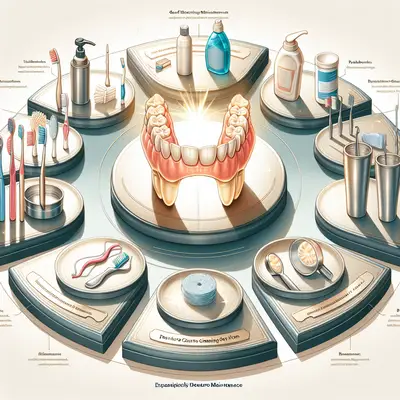
An exclusive yet practical refinement is to establish a dedicated “denture corner” in your home—a small, organized space where all denture‑related items are kept together and presented with intention. This can be as simple as a tray or box near your sink, with your denture brush, cleaning solution, storage container, and a soft cloth or towel.
By curating this setup, you transform maintenance from a task into a brief daily ritual. Everything you need is within reach, reducing the temptation to use unsuitable substitutes (like regular toothpaste or a stiff brush) when you are in a hurry. A dedicated space also signals, subconsciously, that your dentures are valued and deserve careful handling.
Over time, this small environmental cue helps sustain consistency. Good denture care is not about occasional perfection but well‑designed habits followed quietly, day after day.
Conclusion
Exquisite denture maintenance is built on thoughtful details: the exact temperature of the water, the attention paid to inner surfaces, the discipline of scheduled deep soaks, and the grace with which you handle and inspect your prosthetics. Paired with regular professional oversight and a dedicated space at home, these refined practices help your dentures remain comfortable, understated, and impeccably maintained.
When your care routine reflects the quality of your prosthetics, your dentures cease to feel like “appliances” and instead become a seamless extension of your presence—supporting not only your smile, but your sense of ease in every conversation and every photograph.
Sources
- American College of Prosthodontists – Complete Dentures – Overview of complete denture care, fit, and professional maintenance recommendations
- Mayo Clinic – Dentures: How to Care for Them – Practical guidance on daily cleaning, soaking, and handling of dentures
- Cleveland Clinic – Dentures: Types, Care & Complications – Detailed information on common issues, fit changes, and care principles
- National Institute of Dental and Craniofacial Research – Oral Health in Older Adults – Context on oral health considerations for older adults, including prosthetic use
- American Dental Association – Dentures Fact Sheet – Patient‑focused overview of denture hygiene and routine maintenance best practices
Key Takeaway
The most important thing to remember from this article is that this information can change how you think about Maintenance Tips.