Elegance, when it comes to dentures, is rarely about the obvious. It lives in the subtle, almost invisible choices you make each day—how you clean, how you store, how you move through a long dinner or a demanding workday without giving your prosthetics a second thought. This is not a beginner’s checklist; it is a refined approach for those who expect their dentures to be as composed and discreet as the rest of their lives. Below are five exclusive, deeply considered maintenance insights designed to preserve not just your prosthetics, but your poise.
1. Curating a “Gentle-Only” Cleaning Ritual
The difference between serviceable dentures and impeccably maintained ones often lies in how ruthlessly gentle you’re willing to be. While harsh scrubbing and multipurpose cleaners may promise speed, they quietly erode the polished surface of your dentures, making them more prone to staining, odor retention, and plaque accumulation.
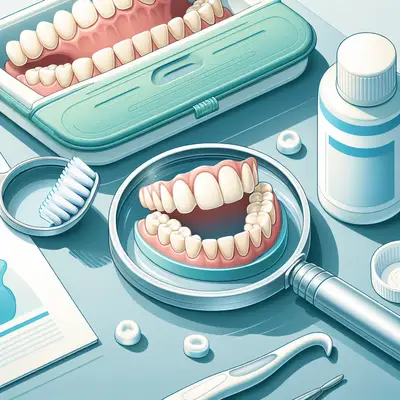
A sophisticated routine begins with dedicated tools: a soft-bristled denture brush (never a hard toothbrush), a non-abrasive denture cleanser recommended by your dentist, and lukewarm—not hot—water to avoid warping. Think of the process less as “scrubbing” and more as “polishing”: deliberate, light pressure in circular motions, especially along the gum-line contours and the palate, where biofilm tends to hide. Rinse meticulously after using any effervescent tablets to remove residue that can irritate soft tissue. Over time, this restrained approach preserves the microscopic smoothness of the acrylic and porcelain, helping your dentures retain their luster and resist staining from coffee, tea, and red wine. The result is a prosthetic that continues to look “new” long after the novelty wears off.
2. Treating Your Nighttime Soak as a Precision Treatment
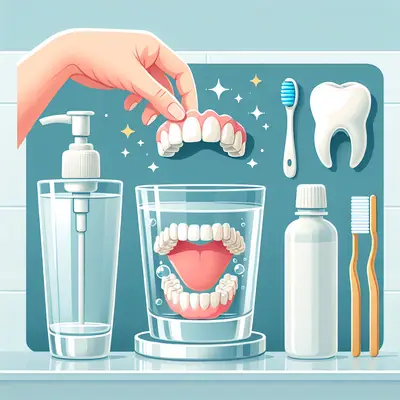
Nighttime storage is more than simply dropping your dentures into a glass—it is an opportunity for purposeful, restorative care. A refined routine understands that your prosthetics need a stable, controlled environment when off-duty, just as your natural teeth once did within the protection of the mouth.
Use a dedicated, lidded container placed away from direct sunlight and heat sources. Fill it with fresh, cool or room-temperature water every evening; never reuse yesterday’s solution. If you use a cleansing tablet, select one with evidence-based antibacterial properties rather than a harsh whitening formula designed to “bleach” stains. Avoid storing in mouthwash, especially anything containing alcohol, as this may dry and damage acrylic over time. For partial denture wearers, confirm that your chosen cleaner is compatible with any metal components to prevent corrosion. This thoughtful approach transforms a routine soak into a calibrated treatment session—protecting structure, clarity, and surface integrity while your mouth rests and your oral tissues recover overnight.
3. Synchronizing Denture Care with Oral Tissue Health
Premium denture maintenance extends beyond the prosthetic itself; it honors the tissues that support it. Even the most meticulously cared-for denture will underperform if the underlying gums, ridges, and palate are inflamed, dry, or compromised. The true insider secret is that oral tissue care and denture longevity are inseparable.
Each time you remove your dentures, perform a brief, systematic inspection of your mouth. Look for subtle color changes, impressions that persist on the gums, new sore spots, or areas of thickened tissue. Clean your gums, tongue, and palate gently with a soft toothbrush or a damp, soft cloth, focusing on sweeping motions rather than forceful scrubbing. If you’re prone to dry mouth, discuss saliva substitutes, hydrating oral gels, or prescription options with your dentist, as chronic dryness can accelerate irritation and fungal overgrowth beneath the denture. Establishing this harmony between prosthetic and tissue helps your dentures sit more stably, reduces pressure points, and delays the need for frequent adjustments—maintaining comfort and function with an almost effortless ease.
4. Practicing “Discreet Readjustment” Throughout the Day
Seasoned denture wearers know that the goal is not a totally static prosthetic, but one that remains predictably stable even as you speak, laugh, and dine. One subtle yet powerful practice is the art of discreet micro-adjustment—a barely noticeable, gentle reseating technique you can employ throughout the day.
Instead of clenching to secure a slightly shifted denture (a common but fatiguing habit), train yourself to gently press your tongue upward and backward along the denture base to re-establish suction and symmetry, particularly with upper dentures. For lower dentures, subtle posture matters: maintaining an upright head position, resting the tongue lightly against the inside of the lower teeth, and avoiding excessive lip or cheek tension can all support stability. These nuanced habits prevent overuse of adhesives and reduce strain on your jaw muscles. Over time, you’ll find that your dentures move with you, rather than against you—a refined harmony that makes prolonged conversations and long meals feel effortless and secure.
5. Scheduling “Aesthetic Maintenance” with the Same Priority as Fit
Many people faithfully return to their dentist when dentures loosen, but neglect aesthetic maintenance until discoloration or edge wear becomes unmistakable. An elevated approach treats visual refinement as a core element of maintenance—not an afterthought. When your dentures continue to reflect natural translucency, balanced proportions, and a flattering shade, they quietly elevate your entire presence.
During your regular dental visits, invite a discussion that goes beyond function. Ask your clinician to evaluate not just the fit, but also the color matching to your complexion, the alignment with your facial symmetry, and the subtle wear facets that may be aging your smile prematurely. Periodic professional polishing can remove micro-staining in a way no home cleanser can match, restoring brilliance without over-thinning the material. Over several years, minor but strategic refinements—selective reshaping, relining, or shade adjustments when appropriate—keep the prosthetics aligned with your features and your age in a natural, sophisticated way. This approach transforms check-ups from simple “fit confirmations” into curated aesthetic reviews, ensuring your dentures remain as composed and current as the rest of your style.
Conclusion
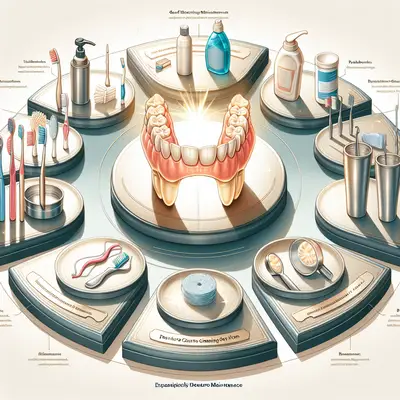
Exemplary denture maintenance is never loud or fussy. It is a series of deliberate, almost invisible choices: choosing gentler tools, giving your prosthetics a controlled resting environment, honoring your oral tissues, mastering subtle in-the-moment adjustments, and treating aesthetics as a priority rather than an indulgence. These five refined habits do more than preserve acrylic and porcelain—they protect your comfort, your confidence, and the quiet assurance that your smile is entirely under your control. When care becomes this intentional, your dentures cease to feel like a compromise and instead become a meticulously maintained asset, seamlessly integrated into your life.
Sources
- American Dental Association – Dentures: Tips for Caring for Your Dentures – Overview of evidence-based recommendations for cleaning, storage, and professional follow-up.
- Mayo Clinic – Dentures: How to Care for Them – Practical guidance on daily routines, handling, and oral tissue care for denture wearers.
- Cleveland Clinic – Dentures – Detailed explanation of denture types, fit considerations, and long-term maintenance needs.
- National Institutes of Health (NIH) – Oral Mucosal Lesions and Denture Use – Research perspective on how denture wear relates to soft-tissue health and the importance of monitoring irritation.
- Columbia University College of Dental Medicine – Caring for Dentures – Clinically informed tips on cleaning practices, soaking habits, and professional evaluation.
Key Takeaway
The most important thing to remember from this article is that this information can change how you think about Maintenance Tips.