Cultivated denture care is less about rigid rules and more about developing a quiet mastery of the details. When your dentures are cared for with intention, they stop feeling like prosthetics and begin to function as a seamless extension of you—visually, physically, and even socially. This is where maintenance becomes an art form: subtle, consistent, and tailored to your life rather than dictated by it.
Below are five exclusive, detail‑driven insights that move beyond standard advice, designed for denture wearers who value precision, comfort, and long‑term excellence.
1. The “Transition Hour”: A Gentle Ritual Between Wearing and Resting
The way you transition your dentures from “day mode” to “night mode” has a profound impact on their longevity and your oral health. Instead of simply removing them and placing them in solution, treat the final hour of your evening as a deliberate transition period.
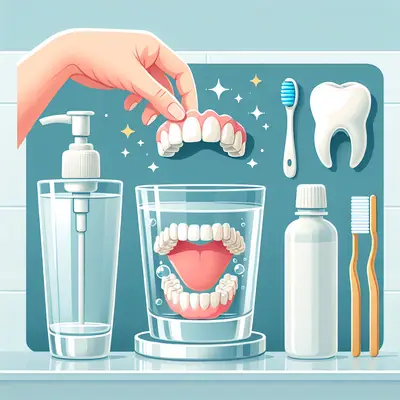
Begin by swishing with lukewarm water (never hot, which can warp acrylic) to dislodge food particles before removal. Once removed, gently brush your gums, palate, and tongue with a soft, clean brush or ultra-soft toothbrush. This step doesn’t just freshen your mouth; it stimulates circulation in the tissues that support your dentures, helping them remain more resilient over time.
Only then should you brush the dentures themselves with a non-abrasive denture cleanser, following the contours and undercuts carefully, rather than “scrubbing” as you would a dish. When you place them into a soaking solution, take a brief moment to inspect them under good lighting for micro-cracks, loosened teeth, or surface discoloration. This nightly check allows you to identify subtle changes early, before they become visible or uncomfortable problems.
This “transition hour” reframes maintenance as a calm, intentional ritual instead of a rushed end-of-day chore—and your mouth will respond accordingly.
2. Precision Hydration: Balancing Moisture for Dentures and Soft Tissues
Denture comfort depends on a delicate moisture balance: too dry, and friction increases; too moist, and retention may decrease. Instead of simply relying on water or adhesive, think in terms of precision hydration.
For those with dry mouth (often due to medications or medical conditions), discuss saliva substitutes or oral moisturizers with your dentist or physician. Products formulated specifically for xerostomia can create a more hospitable environment for denture wear, improving both comfort and fit. Sipping water consistently throughout the day helps, but targeted moisture products can offer longer-lasting relief without constantly interrupting your routine.
Conversely, if you find your lower denture slipping as the day goes on, consider how beverages, mouthwashes, and even certain foods affect the thin film of saliva that supports suction and stability. Alcohol-based mouthwashes, for instance, may dry oral tissues, while excessively oily foods can interfere with retention. A switch to an alcohol-free, denture-safe rinse and a considered approach to what you consume right before social events can provide noticeably more confidence in your denture’s grip.
The key insight: moisture isn’t a background condition; it’s a variable you can actively manage—and mastering it elevates daily comfort to a more luxurious standard.
3. The Gentle Pressure Test: A Subtle Check for Fit and Function
Formal checkups with your dentist are essential, but a refined maintenance routine includes a personal assessment technique you can perform at home: the gentle pressure test.
With clean, slightly damp dentures, seat them in your mouth and close gently until your teeth just meet. Then apply a controlled, even pressure—never clenching—while paying attention to how the dentures contact your gums and underlying bone. You’re not evaluating “tightness” but rather evenness. Do they feel more prominent on one side? Does one area of the gumline feel tender or pressured more than the rest?
Next, in front of a mirror, perform simple functional movements: speaking a few sentences, smiling broadly, and lightly chewing on both sides with a soft food (such as a slice of ripe banana). Watch for subtle shifts, lifting edges, or areas where your cheeks or tongue seem to “fight” the dentures.
Performed once a week, this test creates a baseline of awareness. You start to notice small changes—perhaps a slight rocking or a new area of redness—long before discomfort becomes pronounced. This allows you to schedule adjustments with your dentist proactively instead of waiting for a sore spot or an embarrassing slip at an inopportune moment.
In essence, you’re treating your dentures like a finely tailored garment: regularly assessed, gently tested, and adjusted before any imperfection becomes visible to others.
4. Thoughtful Product Pairing: Curating a Cohesive Care Suite
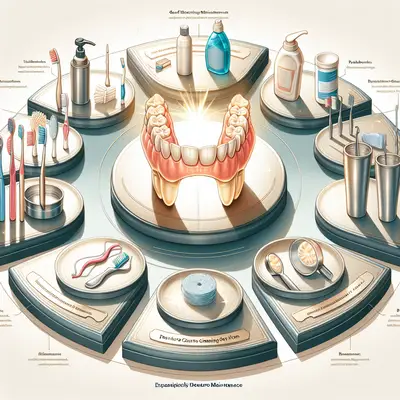
Many denture wearers collect assorted products—cleansers, adhesives, brushes, rinses—without considering how they interact. A more elevated approach treats these products as a curated suite, selected to complement each other and your specific oral environment.
Start with your cleanser. Opt for one recommended by your dental professional or supported by credible clinical data for removing biofilm and stains without damaging acrylic or metal components. Pair this with a denture-specific brush that has bristles firm enough to clean but not so stiff that they create micro-scratches, where stains and bacteria can more easily accumulate.
Next, consider your adhesive strategy. Use an adhesive recommended for your denture type and tissue condition; cream, strips, or powder each behave differently. When chosen thoughtfully, the right adhesive can offer subtle security without creating dependency or residue buildup. Importantly, never compensate for a poor fit with excess adhesive—overuse is often a sign that your dentures require professional adjustment or relining.
Finally, integrate a non-abrasive, alcohol-free mouth rinse that supports gum health without drying tissues or altering the surface characteristics of your dentures. The ideal suite should feel cohesive: each product serving a distinct purpose, none undermining the others.
This curated approach brings intentionality to your maintenance routine and aligns your products with the same discernment you bring to skincare, fragrance, or wardrobe.
5. Seasonal Calibration: Adjusting Your Routine Throughout the Year
One of the most overlooked refinements in denture maintenance is acknowledging that your needs are not static. Climate, seasonal habits, and even travel can subtly affect how your dentures feel and function.
In colder, drier months—or in air-conditioned environments—oral tissues may become more prone to dryness and irritation. This is the ideal time to emphasize hydration, possibly increase the use of oral moisturizers, and be especially vigilant about nighttime cleansing to prevent irritation in already compromised tissues.
Warmer seasons often involve more social dining, travel, and longer days away from home. Here, a discreet “denture care kit” becomes invaluable: a small, elegant case containing a travel brush, a tiny portion of adhesive, and a compact, alcohol-free rinse. This allows you to restore comfort and freshness between engagements without needing a full bathroom setup.
Even altitude changes and long flights can influence dryness and tissue comfort, making a pre-travel adjustment visit and carefully planned on-the-go care especially worthwhile.
Thinking seasonally allows you to evolve your maintenance strategy with your life, rather than forcing a single routine to fit every context. This level of adaptability is where truly exceptional denture care begins to feel like a bespoke service—crafted around you, not imposed upon you.
Conclusion
Exquisite denture maintenance is not about doing more; it is about doing the right things with deliberate attention to detail. A thoughtful transition between wearing and resting, precise control over moisture, subtle at-home fit assessments, curated product choices, and seasonal adjustments together create an experience that is calmer, cleaner, more comfortable, and unmistakably elevated.
When you embrace these refined practices, your dentures cease to be a daily concern and instead become a quietly reliable part of your presence—supporting the way you speak, dine, and smile with confidence and ease.
Sources
- American Dental Association – Dentures - Overview of denture types, care basics, and professional recommendations
- Mayo Clinic – Dentures: Common Questions - Clinical guidance on living with and caring for dentures
- Cleveland Clinic – Dentures - Detailed explanations of fit, adjustment, and long-term maintenance considerations
- National Institute of Dental and Craniofacial Research – Oral Health Topics - Evidence-based information on tooth replacement options and oral health
- Colgate Oral Care Center – Caring for Dentures - Practical insights into daily cleaning, storage, and product use for dentures
Key Takeaway
The most important thing to remember from this article is that this information can change how you think about Maintenance Tips.