Elegance in dentistry is rarely about extravagance; it’s about restraint, precision, and consistency. The same is true for dentures. A well-made prosthesis can look exquisite on day one, but it’s the quiet, daily maintenance—often unseen by others—that determines how refined, comfortable, and enduring your smile will be over time.
This guide steps beyond basic cleaning instructions and into the realm of elevated care: five exclusive, detail‑oriented insights that discerning denture wearers can integrate into their daily rituals for exceptional results.
Rethinking “Clean”: Treating Dentures More Like Fine Porcelain Than Teeth
Many patients instinctively treat their dentures as if they were natural teeth—scrubbing with medium or hard brushes, using whitening pastes, or applying hot water for a “deep clean.” These habits, while well‑intentioned, can quietly erode the surface and shorten the life of your prosthesis.
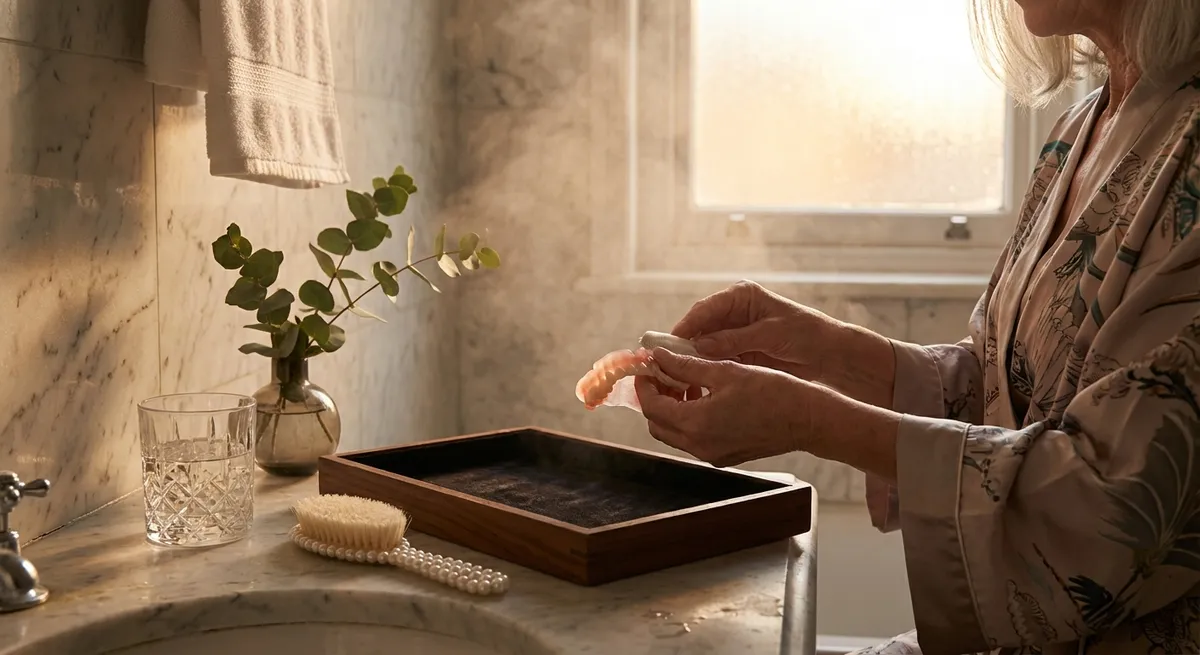
Denture acrylic and porcelain are more delicate than enamel and are susceptible to microscopic scratching from abrasive toothpaste and stiff bristles. Each scratch is a potential harbor for bacteria and stain molecules, which can lead to dullness, odor, and irritation of the surrounding tissues. Instead, use a soft denture or baby toothbrush with a non‑abrasive, denture‑specific cleanser, focusing on gentle, deliberate strokes. Think of your cleaning ritual as you would care for a fine porcelain object: methodical, respectful, and never rushed. Over time, this approach preserves the luster of your denture surface, improves comfort against the gums, and maintains a more natural, light‑reflective appearance.
The Overnight Ritual: Elevating Soaking from Habit to High‑Performance Care
Leaving dentures in a glass of water overnight is a familiar image—but sophisticated maintenance goes beyond simply “keeping them wet.” The overnight period is a prime opportunity to let chemistry do the quiet work of disinfection, stain reduction, and odor control, with minimal effort on your part.
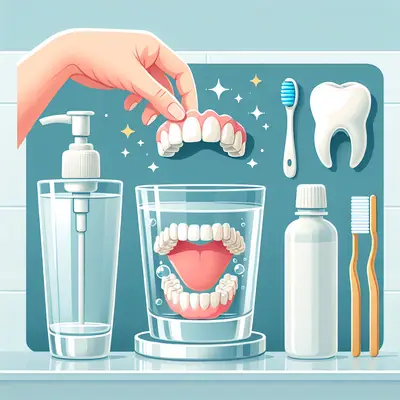
High‑quality effervescent denture cleansers (not household cleaners or bleach) are formulated to target biofilm and certain fungi and bacteria commonly associated with denture stomatitis and unpleasant odors. Always follow the manufacturer’s instructions and avoid hot water, which can warp acrylic and distort the fit. If you have metal components, confirm your chosen cleanser is safe for partial dentures with metal frameworks. Consider maintaining a dedicated, lidded container for soaking—replacing the solution daily rather than “topping it up.” This transforms a basic step into a refined ritual: your dentures rest in a controlled, hygienic environment each night while your oral tissues recover and breathe.
Precision Fit Protection: Micro‑Checks That Prevent Major Problems
An impeccable denture fit is never a one‑time achievement—it is a relationship that must be monitored and adjusted as your oral anatomy changes. Bone resorption, weight fluctuations, medications that affect saliva, and even small shifts in bite can transform a once‑perfect fit into a source of micro‑irritations and functional compromise.
Once a month, carry out a quiet self‑assessment. With clean hands and properly cleaned dentures, gently run your fingertip along the borders of the denture and the corresponding areas of your gums and palate. Look for subtle red spots, ulcers, or areas of blanching where the acrylic may be over‑compressing tissue. Pay attention to small changes in speech clarity, the need for more adhesive than usual, or food collecting in specific areas—these are all early indicators that a professional adjustment or reline may be warranted. By addressing fit concerns at this “whisper” stage rather than waiting for pain, you preserve the integrity of the appliance, protect your oral tissues, and maintain the poised, effortless feel of a well‑balanced bite.
The Silent Influencer: Saliva, Hydration, and Denture Comfort
Saliva is the understated ally of every denture wearer. It cushions the tissues, helps create the thin film necessary for suction in full dentures, and contributes to overall oral comfort. When saliva is reduced—whether from medications, medical conditions, caffeine intake, or simple under‑hydration—dentures can feel loose, abrasive, or unstable.
Elevated maintenance means being intentional about hydration and mindful of habits that dry the mouth. Regular water intake throughout the day, moderating alcohol and caffeine, and avoiding tobacco can significantly improve comfort. For those with persistent dry mouth, your dentist may recommend saliva substitutes, moisturizing gels, or sugar‑free lozenges formulated to stimulate salivary flow. Incorporating a gentle, alcohol‑free mouthrinse designed for dry mouth can further support tissue health. Treating saliva as a central part of your denture ecosystem—rather than an afterthought—results in smoother function, less friction, and more refined day‑to‑day comfort.
Discreet Polishing: Protecting Aesthetics With Professional and At‑Home Strategies
Even the most devoted home care routine cannot fully replicate the precision of professional maintenance. Just as a tailored garment benefits from periodic expert attention, so too does a well‑crafted denture.
Schedule regular dental visits not only to assess your oral tissues and fit, but also to have your dentures professionally cleaned and inspected. Dental professionals can remove stubborn calculus and intrinsic stains, smooth roughened areas, and identify early hairline fractures or wear spots before they become visible or symptomatic. At home, avoid whitening toothpastes, baking soda scrubs, or DIY “brightening hacks,” which can damage surfaces and produce an artificial, chalky look. Instead, focus on consistency with proper cleansers, gentle brushing, and nightly soaking. This quiet combination of careful daily care and periodic expert refinement preserves the natural translucency, contour, and polish that distinguish a truly elevated denture from an ordinary one.
Conclusion
A distinguished denture experience is rarely about dramatic interventions; it’s about the cumulative effect of small, intelligent decisions made every day. Treating your dentures as precision appliances, honoring the delicacy of the materials, protecting the tissues that support them, and enlisting professional oversight when needed all contribute to a smile that remains poised and convincing over time.
By refining your routine with these five exclusive insights—gentle cleansing, purposeful soaking, vigilant fit checks, saliva stewardship, and discreet professional polishing—you elevate denture maintenance from mere necessity to a quiet expression of self‑respect and discernment.
Sources
- American Dental Association – Dentures – Overview of types of dentures and basic care recommendations.
- Mayo Clinic – Dentures: How to care for them – Practical guidance on daily cleaning, soaking, and handling of dentures.
- Cleveland Clinic – Dentures – Explains fit, adjustments, relines, and the importance of follow‑up visits.
- National Institute of Dental and Craniofacial Research – Dry Mouth – Discusses causes and management of dry mouth, crucial for denture comfort and retention.
- Columbia University College of Dental Medicine – Caring for Complete and Removable Partial Dentures – Detailed professional advice on cleaning methods, solutions, and avoiding damage.
Key Takeaway
The most important thing to remember from this article is that this information can change how you think about Maintenance Tips.