Living gracefully with dentures is not simply about replacing teeth; it is about curating a daily ritual that protects comfort, aesthetics, and long-term oral health. Beyond basic cleaning lies a quieter layer of refinement—those subtle, often overlooked practices that distinguish a well-maintained prosthesis from one that merely “gets by.”
This guide explores a more elevated approach to denture maintenance, with five exclusive insights designed for wearers who value meticulous care, enduring elegance, and the confidence of a consistently polished smile.
Rethinking “Clean”: Designing a 24-Hour Denture Care Rhythm
Most advice stops at “clean your dentures daily,” but what truly matters is how your care is distributed across the day. A refined routine treats dentures like a bespoke item: handled with intention at every touchpoint.
Begin by clarifying a 24-hour rhythm. In the morning, your focus is surface freshness and comfort—gently brushing your dentures with a soft brush and non-abrasive cleanser, then rinsing thoroughly before placement. During the day, think in terms of micro-maintenance: a discreet rinse with water after meals, especially if you enjoy richly pigmented foods or beverages, helps reduce staining and plaque accumulation before it hardens. In the evening, the agenda shifts to deeper care—meticulous brushing, targeted cleaning of clasp areas (for partials), and a soak in a cleanser formulated specifically for dentures. Finally, build in a short no-denture interval each day, typically overnight, to allow your oral tissues to rest and recover. This 24-hour rhythm is less about doing “more” and more about doing the right things at precisely the right times.
Insight 1: Curating a “Gentle-Only” Toolkit for Your Dentures
High-quality dentures deserve tools that match their craftsmanship. A surprisingly common source of damage is the use of harsh, everyday products—regular toothpaste, stiff brushes, or household cleaners—that were never intended for delicate acrylic and metal components.
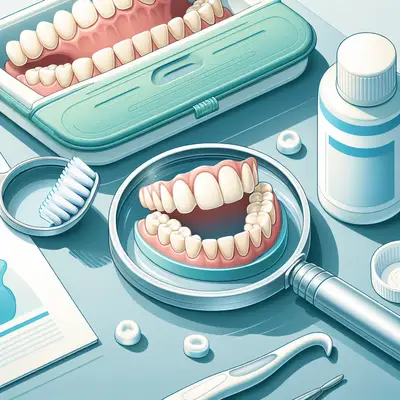
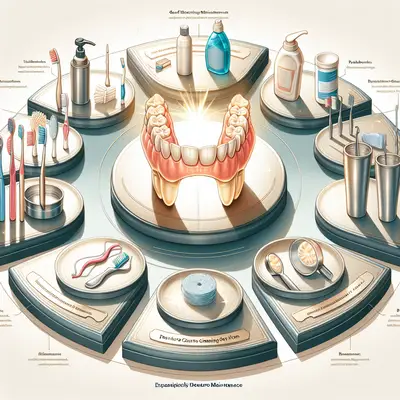
Curate a dedicated, “gentle-only” set of tools: a soft-bristled denture brush, a pH-appropriate denture cleanser, and a separate, non-abrasive brush for cleaning around your gums and any natural teeth. Avoid whitening toothpastes and baking soda on the denture itself; while excellent for some natural-tooth situations, they can gradually scratch the surface of denture acrylic, creating microscopic grooves that harbor plaque and stains. Opt instead for cleansers specifically labeled for dentures, paired with cool or lukewarm water—hot water can subtly warp the fit over time. Housing these items in a sleek tray or designated bathroom space is not only aesthetically pleasing but also reinforces a sense of ritualized, intentional care.
Insight 2: Treating Fit as Fluid, Not Fixed
Many denture wearers assume that once their dentures fit well, that fit is permanent. In reality, the human mouth is dynamic—bone and soft tissues shift slowly but continuously, especially after extractions. Treating denture fit as fluid rather than fixed is a hallmark of refined maintenance.
Pay attention to micro-signals: slight rocking when chewing, new pressure points, or food increasingly slipping underneath the base. These are early indicators that your oral anatomy has changed more than your denture. Rather than compensating automatically with more adhesive, take these signs as cues to schedule a professional evaluation. Small adjustments or a timely reline can restore harmony between denture and tissue, maintain chewing efficiency, and reduce the risk of sore spots, fungal infections, and bone resorption. Regularly scheduled check-ins—often annually or as recommended by your dentist—transform fit from a reactive concern into a proactively managed element of care.
Insight 3: Crafting a Nighttime Ritual That Honors Both Dentures and Tissues
Removing dentures at night is often presented as a simple “yes or no” rule, but a more refined approach views the evening as a prime opportunity to nurture both the appliance and the oral tissues that support it.
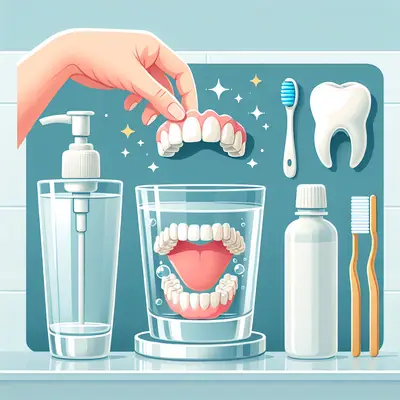
Once your dentures are removed, give your gums, palate, and tongue the same care you’d give your skin in an evening skincare routine. Gently brush them with a soft brush or wipe them with a damp gauze pad to clear away plaque and stimulate circulation. If you have remaining natural teeth, execute a more deliberate brushing and flossing routine, paying special attention to areas that contact the denture. For the dentures themselves, move beyond a quick soak: first brush them thoroughly to remove debris, then immerse them in a fresh denture cleansing solution overnight. This two-step process—mechanical cleaning followed by chemical disinfection—helps limit biofilm buildup and odor far more effectively than soaking alone. Waking up to a fully cleansed denture and well-rested oral tissues is the quiet luxury behind long-lasting comfort.
Insight 4: Managing Adhesive With Precision, Not Abundance
Denture adhesive, when used thoughtfully, can be an elegant finishing touch—providing confidence and stability without dominating the experience of wear. The difference lies in precision rather than abundance.
Begin with the fit: adhesive should enhance a well-fitting denture, not compensate for a failing one. Use the minimum amount needed, placed strategically according to your dentist’s guidance—often as small dots or thin strips rather than a continuous thick line. Excess adhesive seeping out along the edges is not just a nuisance; it can trap food particles and promote inflammation of the surrounding tissues. At the end of the day, remove adhesive residue thoroughly from both the denture and your gums, using warm water, a soft brush, and gentle massaging motions. If you find yourself progressively increasing the quantity of adhesive just to feel secure, treat that as a sign that a professional reassessment is due. Precision with adhesive is less about stickiness and more about respecting the balance between prosthesis and physiology.
Insight 5: Protecting the Invisible Details—Storage, Travel, and Accidental Drops
Many of the most costly denture issues emerge not from daily wear, but from moments in between—hurried storage, travel mishaps, or a single accidental drop onto a hard surface. Safeguarding these in-between moments is an underappreciated aspect of elevated maintenance.
At home, never leave dentures to dry in the open air; drying can cause them to lose shape and compromise fit. Instead, store them immersed in clean water or an approved soaking solution in a dedicated container with a secure lid. When cleaning, position a folded towel or fill the sink partially with water so that, if the dentures slip, the impact is cushioned. For travel, invest in a high-quality, rigid denture case that protects against compression or crushing inside a bag, and always carry your denture cleanser and brush—hotel soaps and improvised tools can be surprisingly harsh. Thinking a step ahead in these small details preserves the structural integrity, polish, and precise contours that make your dentures both functional and visually refined.
Conclusion
Exquisite denture maintenance is built not on complicated routines, but on thoughtful, consistent refinements. By designing a 24-hour rhythm, curating gentle-only tools, treating fit as adaptable, elevating nightly care, using adhesive with precision, and protecting your dentures in every environment, you move beyond basic hygiene into a realm of considered, long-term stewardship.
When dentures are cared for with this level of intention, they cease to feel like a substitute and begin to function as a seamlessly integrated part of your daily life—quietly reliable, aesthetically poised, and truly worthy of the refined smile they support.
Sources
- American Dental Association – Dentures – Overview of denture types, care recommendations, and professional guidance
- Mayo Clinic – Dentures: How to care for them – Practical advice on daily cleaning, handling, and storage of dentures
- Cleveland Clinic – Dentures – Detailed explanation of denture fit, adjustments, and long-term maintenance considerations
- National Institute of Dental and Craniofacial Research – Oral Health in Older Adults – Context on oral health challenges in older adults, including tooth loss and prosthetic care
- Colgate Oral Care Center – Denture Care Tips – Additional guidance on cleaning products, adhesives, and avoiding common denture-care mistakes
Key Takeaway
The most important thing to remember from this article is that this information can change how you think about Maintenance Tips.