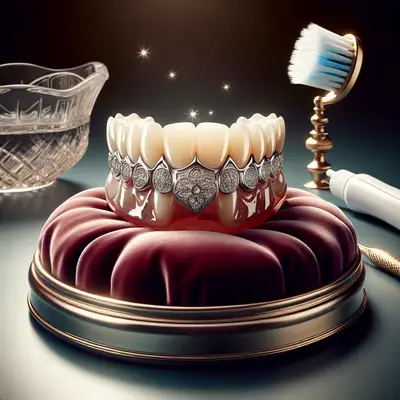
Modern dentures are no longer a mere replacement for missing teeth; they are an extension of your personal aesthetic, your comfort, and your confidence. Yet, true excellence in denture care is rarely about the obvious. It lies instead in the quiet, almost invisible details—subtle adjustments, refined routines, and informed choices that transform dentures from something you simply “tolerate” into something you genuinely trust.
This article explores five exclusive, often overlooked insights that discerning denture wearers appreciate—nuances that can elevate your everyday experience from acceptable to exceptional.
Precision Fit as a Living Standard, Not a One-Time Event
Many denture wearers assume fit is determined the day the prosthesis is delivered, and only revisited when something feels clearly “wrong.” In reality, a truly refined denture experience treats fit as a living standard—one that evolves with your bone structure, soft tissues, and bite over time.
Even small changes in weight, medications, or bone resorption can subtly alter how your dentures sit. A sophisticated approach involves scheduling periodic “comfort checks” with your dentist or prosthodontist, even in the absence of obvious pain. These appointments allow for nuanced adjustments: soft relining in areas where the tissue has thinned, polishing of high-contact zones that cause micro-irritation, and minor bite refinements that reduce fatigue in jaw muscles.
Rather than waiting for sore spots or slippage, you’re essentially curating your fit in advance. The result is a denture that feels consistently integrated with your mouth, instead of a foreign object you must constantly accommodate.
The Art of Saliva Management for Seamless Comfort
Saliva is rarely discussed in elegant terms, but it’s central to how refined your denture experience actually feels. Too little saliva, and your dentures may feel dry, squeaky, or prone to friction. Too much, and early wearers often experience excess pooling, drooling, or difficulty speaking clearly.
A premium approach views saliva as something to be gently harmonized. Staying well-hydrated supports natural lubrication, while your clinician can identify whether medications, medical conditions, or age-related changes are affecting your salivary flow. In cases of dryness, saliva substitutes, moisturizing gels, or xylitol-containing lozenges can discreetly restore comfort without drawing attention.
Conversely, if you produce excess saliva when first adapting to dentures, practiced speaking exercises, gradual wear-in periods, and guidance from your provider can help your mouth recalibrate. When saliva is well-managed, dentures tend to feel quieter, smoother, and more secure—almost like a fine fabric that moves effortlessly with you.
Polished Aesthetics: Managing Micro-Stains and Subtle Gloss
Most people focus on denture color at delivery—“white enough,” “natural enough,” “not too bright.” What tends to be overlooked is what happens in the months and years that follow, as micro-staining and surface wear accumulate.
Coffee, tea, red wine, berries, and tobacco can all contribute to a gradual loss of the denture’s original brightness. A sophisticated maintenance routine doesn’t attempt to bleach the denture aggressively (which can damage the material), but instead focuses on preserving a controlled, understated luster. Professional polishing by your dentist at intervals tailored to your lifestyle can remove superficial stains without thinning the acrylic or abrading the teeth.
At home, a non-abrasive denture cleanser and a soft brush (never regular whitening toothpaste, which is often too harsh) help retain that soft, natural gloss that reads as “healthy” rather than “artificial.” Over time, this gentle preservation approach ensures your dentures age gracefully—more akin to well-kept porcelain or fine enamel than a dull, overused appliance.
Discreet Stability: Subtle Strategies Beyond Adhesive
Denture adhesive is often framed as a simple “yes” or “no,” but refined denture wear often lands somewhere in between. The goal isn’t to glue your dentures into place; it’s to create quiet stability that supports unselfconscious eating, speaking, and laughing.
For some, a minimal, precisely applied layer of adhesive under a well-fitting denture functions like a luxury underlayer—barely perceptible, but confidence-enhancing. For others, especially those with significant bone loss, discussing dental implants to support an overdenture can shift the entire experience. Even two to four strategically placed implants in the lower jaw can dramatically reduce movement and pressure points.
Your clinician can also advise on how to place adhesive only where it’s truly needed, avoiding overuse that creates excess residue or alters the fit. The result is a sense of security that feels natural and understated, rather than reliant or conspicuous.
Nighttime Strategy: A Restful Plan for Both Dentures and Tissues
Many denture wearers know they should remove their dentures at night, yet see it only as a hygienic duty. In reality, nighttime is when you can create a restorative ritual that benefits both your prosthesis and your oral tissues.
Removing dentures allows the underlying mucosa to breathe, recover from compression, and remain healthier long-term. Soaking dentures overnight in an appropriate cleanser assists in biofilm control—reducing the risk of denture stomatitis, odor, and fungal overgrowth. What is often missed, however, is the opportunity to care for your gums, tongue, and palate with equal refinement.
Gently brushing the gums and tongue with a soft brush, massaging the ridges where dentures sit, and rinsing with an alcohol-free antimicrobial mouthwash elevate this from a simple “take them out and soak” routine to a comprehensive regenerative practice. Over time, this attentive care to both the prosthesis and the tissues underneath enhances comfort, reduces irritation, and supports fresher breath.
Conclusion
Exceptional denture care is rarely about grand gestures; it’s about the quiet, precise decisions you make every day. Treating fit as an evolving standard, managing saliva with intention, preserving refined aesthetics, embracing discreet stability strategies, and cultivating a thoughtful nighttime ritual all contribute to an experience that feels composed rather than compromised.
In honoring these details, you move beyond merely “wearing dentures” into curating a smile that reflects the same discernment you bring to other areas of your life—measured, confident, and quietly impeccable.
Sources
- American Dental Association – Dentures – Overview of types of dentures, care recommendations, and adaptation tips
- Mayo Clinic – Dentures: Common Questions – Answers to frequently asked questions about denture use, fit, and maintenance
- Cleveland Clinic – Dentures – Detailed explanation of denture options, expectations, and care practices
- National Institute of Dental and Craniofacial Research (NIDCR) – Oral Health in Older Adults – Context on oral health considerations, including dentures, for aging adults
- Harvard Health Publishing – Oral Health: A Window to Your Overall Health – Discusses the broader health implications of maintaining good oral hygiene, relevant to denture wearers
Key Takeaway
The most important thing to remember from this article is that this information can change how you think about Denture Care.