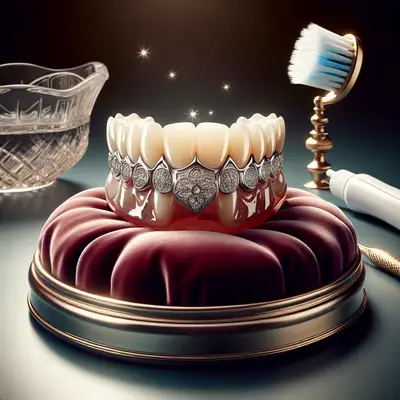
A well-made denture is more than a replacement for natural teeth—it is a quiet expression of poise, health, and self-respect. Yet the difference between “acceptable” and truly refined denture wear is often found in details that are rarely discussed in a typical clinic visit. This guide explores those subtler layers of care and comfort: the micro-adjustments, sensory cues, and daily rituals that transform dentures from a mere appliance into an almost-forgotten extension of yourself.
Below are five exclusive, elevated insights that discerning denture wearers use to ensure their smile feels as considered as the rest of their lifestyle.
1. The Precision Fit Mindset: Why Micro-Adjustments Matter More Than You Think
Many people assume that once dentures are “fitted,” the process is complete. In reality, a truly comfortable denture often evolves over several fine-tuning appointments. Think of the first fit as a tailored suit before final alterations—promising, but not yet perfect.
A precision fit mindset means you treat pressure spots, mild rubbing, or slight looseness as valuable data rather than something to simply “tolerate.” Subtle soreness at the end of the day, a faint clicking sound when speaking certain words, or the feeling that one side “bites” before the other are all signals that tiny adjustments could elevate your experience.
Well-trained clinicians can make ultra-fine changes—polishing a fraction of a millimeter from the acrylic, modifying the bite relationship, or delicately refining the borders where the denture meets your soft tissues. These changes are measured in fractions of a millimeter, but the effect on confidence—no sliding, no hot spots, no irritation—can be enormous.
Adopting this mindset means you proactively schedule review visits, especially after the first few weeks of wearing a new denture, and whenever your gums or jaw shape change over time. Bone resorption (the natural shrinking of the jawbone) is a quiet, continuous process; a precision mindset respects this and treats relines and refits as part of the lifecycle of a well-maintained prosthesis, not as a sign of failure.
2. Curating Your Sensory Experience: Taste, Texture, and Temperature
Elegant denture wear is not just about aesthetics—it’s also about preserving a rich sensory experience when you eat and drink. Many new wearers are surprised to find that food feels and tastes different, not because the food itself has changed, but because acrylic or porcelain now sits between their palate and the world.
The refined approach is to curate your sensory experience rather than simply adjusting to what feels diminished. This might begin with deliberately choosing foods that offer clear, distinct textures—crisp but not harsh, tender without being mushy—such as lightly toasted bread instead of hard crusts, or perfectly cooked al dente vegetables. These choices help your brain relearn how to interpret texture and pressure through your dentures.
Temperature is another underused tool. Warm herbal teas, room‑temperature fruits, and slightly cooled soups can be easier to manage than extremes of heat or cold while you refine your control. Over time, you can reintroduce hotter and colder items as your confidence grows.
If your upper denture covers much of your palate, you may notice a subtle reduction in taste perception. To counteract this elegantly, focus on meals with layered aromas and well-balanced seasoning instead of simply adding more salt or spice. Herbs, citrus zest, umami-rich ingredients (like mushrooms or tomatoes), and aromatic oils can restore complexity to your meals without overwhelming your mouth or stomach.
In short, instead of resigning yourself to a “lesser” food experience, you deliberately design one that feels intentional, pleasurable, and fully compatible with your dentures.
3. A Nightly Ritual That Restores, Rather Than Just “Cleans”
Most advice stops at “clean your dentures daily,” yet the way you structure your evening routine can dramatically influence comfort, gum health, and freshness the next morning.
A refined nightly ritual unfolds in stages:
Gentle removal and inspection
Remove your dentures carefully, not hurriedly. Pause to check the surfaces under good light: look for hairline cracks, tiny chips, or areas where adhesive or plaque cling more stubbornly. Early detection of wear prevents bigger problems later.
A spa-level clean, not a quick scrub
Use a soft brush designed for dentures and a non-abrasive, non-whitening cleanser (never regular toothpaste, which can scratch). Brush all surfaces methodically—outer, inner, and the fitting surfaces that meet your gums. Take your time on the areas that come into contact with food and adhesive.
An appropriate soak
Soak dentures overnight in a denture cleanser recommended by your dental professional. This is not simply about aesthetics; soaking helps reduce microbial buildup and maintain material integrity. If you have metal components, confirm that your chosen cleanser is compatible with metal frameworks.
Pampering your oral tissues
With the dentures out, massage your gums gently with a soft toothbrush or a clean finger to stimulate circulation. Rinse with a non-alcoholic mouthwash or warm saltwater to soothe tissues. If you experience dry mouth, a saliva substitute or hydrating gel can help restore moisture overnight.
Storing with intention
Keep dentures fully submerged in fresh water or cleanser solution in a clean, covered container. Avoid very hot water, which can warp the appliance. Treat the storage container as you would a piece of fine personal equipment—washed, dried, and occasionally replaced.
This kind of ritual is less about “chores” and more about protecting the craftsmanship of the denture, the health of your tissues, and the quiet confidence of waking up already prepared for the day.
4. The Art of Speaking with Dentures: Training Your Voice, Not Just Your Bite
Subtle changes in pronunciation, slight lisps, or a sensation of bulk around the tongue are common when adapting to dentures—but they don’t have to be permanent. The difference between sounding merely “fine” and sounding effortlessly natural is largely a matter of deliberate practice.
Instead of waiting for speech to normalize on its own, consider a private “rehearsal” routine:
- Read aloud daily for 10–15 minutes, choosing text with a variety of sounds: newspaper articles, essays, or even poetry. Focus on words with “s,” “sh,” “ch,” and “t” sounds, which are often the most affected.
- Record yourself on your phone and listen back. You will notice patterns—specific words or sound combinations that feel less controlled. This awareness lets you target problem areas with precision.
- Practice at natural speed rather than slowing down excessively. Overly cautious speech can call attention to your dentures, while slightly faster, confident speech tends to sound more natural.
- Adjust your posture: an upright posture, relaxed neck, and steady breathing support clearer articulation and reduce strain. Dentures function best when your jaw and tongue operate in a relaxed, balanced way.
If speech challenges persist beyond the early adaptation phase, a minor denture adjustment—slight thinning in key tongue-contact areas or bite refinements—may be helpful. The most sophisticated outcome is when you no longer “hear” your dentures in your own voice at all.
5. Subtle Adhesive Strategies: Using Support Without Sacrificing Refinement
Adhesive is often treated as an all-or-nothing solution—either smeared on generously or avoided altogether for fear of seeming “dependent.” In a more nuanced, elevated approach, adhesive becomes a precision tool to enhance security where it matters most, without compromising tissue health or daily comfort.
Consider these refined strategies:
- Use less, but place it thoughtfully. A few well-positioned dots or thin strips along the central, load-bearing areas of the denture base often provide more stability than a thick, uneven layer.
- Match adhesive type to your day. Creams can offer strong, all-day support for social events or long workdays; powders or strips can provide lighter, more easily released hold for shorter, quieter days at home.
- Respect your tissues. Adhesive should not compensate for a poorly fitting denture. If you find yourself needing more product over time to maintain comfort, that is a sign to schedule a reline or fit check rather than doubling down on adhesive use.
- Ensure complete removal each evening. Gently clean adhesive from both the denture surfaces and your gums. Residual adhesive can trap bacteria and compromise the health of the underlying tissues.
The goal is composure, not cling. Adhesive should quietly support your sense of security, not dictate it.
Conclusion
Living elegantly with dentures is less about the appliance itself and more about the quality of attention you bring to it. Micro-adjustments, refined sensory choices, intentional nightly rituals, deliberate speech practice, and thoughtful adhesive use all work together to elevate your experience from merely functional to genuinely sophisticated.
When you treat your dentures as a carefully crafted component of your overall presentation—worthy of the same discernment you might apply to a tailored garment or a fine accessory—you unlock a level of comfort, confidence, and grace that most wearers never realize is possible. In that space, your smile ceases to be a concern and becomes, once again, an effortless asset.
Sources
- American College of Prosthodontists – Caring for Dentures – Clinical guidance on daily denture maintenance and professional follow-up
- Mayo Clinic – Dentures: Common Questions and Care Tips – Overview of fitting, adjustment, and long-term wear considerations
- National Institute of Dental and Craniofacial Research – Oral Health in Older Adults – Background on age-related oral changes, bone loss, and prosthetic needs
- Cleveland Clinic – Dentures – Detailed explanation of denture types, relines, and common adaptation issues
- Columbia University College of Dental Medicine – Complete and Partial Dentures – Academic perspective on denture fabrication, fit, and follow-up care
Key Takeaway
The most important thing to remember from this article is that this information can change how you think about Denture Care.