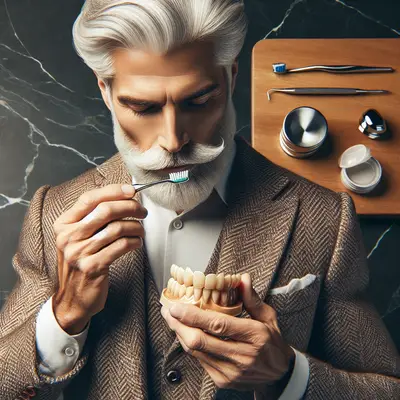
Life with dentures is not a compromise; it is a re‑composition of your smile. When curated with intention, oral hygiene becomes less of a chore and more of a daily ritual—subtle, refined, and quietly luxurious. This is where small decisions, made consistently, protect your investment, preserve your health, and sustain the confidence that comes from a well‑kept smile.
Below, you’ll find a considered approach to oral hygiene for denture wearers—anchored in science, elevated in execution, and shaped around five exclusive insights that reward those who value precision and detail.
Beyond “Clean”: Redefining Oral Hygiene With Dentures
For natural teeth, oral hygiene often focuses primarily on plaque removal. With dentures, the stakes are more layered. You are protecting not only the prosthesis but also the delicate ecosystem beneath and around it: oral tissues, supporting bone, and any remaining natural teeth.
Dentures create new surfaces, new contact points, and new micro-environments where bacteria and fungi can thrive. Even the most immaculate-looking denture can harbour a biofilm invisible to the eye. That film, if unattended, can contribute to inflammation, denture stomatitis, unpleasant odours, and faster wear of the materials themselves.
A refined denture-care routine acknowledges this complexity. It combines meticulous mechanical cleaning, targeted disinfection, thoughtful timing, and ongoing professional oversight. For the discerning wearer, oral hygiene is not only about preventing problems—it is about preserving comfort, aesthetics, and long-term oral health with deliberate elegance.
Insight 1: Treat Your Soft Tissues as Carefully as Your Dentures
Many denture wearers lavish attention on the prosthesis yet forget the stage on which it rests: the gums, palate, and tongue. This is where irritation, fungal overgrowth, and subtle inflammation often begin. Think of tissue care as skincare for your mouth—gentle, intentional, and daily.
Each evening, after removing your dentures, use a soft toothbrush or a dedicated ultra-soft brush to gently massage the gums, palate, and tongue. This accomplishes several goals at once: it removes plaque, stimulates blood circulation, and helps maintain tissue resilience. If you have areas that tend to redden or feel sore, this is your early-warning system; minor changes are easier to notice when you are in close, daily contact.
If you wear partial dentures and still have natural teeth, tissue care is even more critical. Food and plaque often collect where clasps meet gums and tooth surfaces. Cleaning these areas thoroughly—not just the teeth, but the adjacent soft tissue—creates a more stable, healthier foundation for long-term wear. The refined approach is not to scrub aggressively, but to be thorough with a light, consistent touch.
Insight 2: Master the 24‑Hour Cycle of Denture Hygiene
Effective denture hygiene is as much about timing as technique. Rather than sporadic efforts, think in terms of a calm, predictable 24‑hour cycle that supports both the dentures and your oral tissues.
Morning should focus on preparing your dentures and mouth for the day. After rinsing your dentures, give them a dedicated brushing with a non‑abrasive denture cleanser (never regular whitening or abrasive toothpastes, which can create microscopic scratches). Brush any remaining natural teeth with a fluoride toothpaste, and finish with a gentle cleaning of your gums and tongue. This sets a pristine starting point before the first coffee, conversation, or meeting.
Evening is reserved for more deliberate restoration. Once your dentures are removed, brush them thoroughly, rinsing away all visible debris, then immerse them in a recommended soaking solution. This overnight soak is not optional; it gives disinfecting agents time to act, allows the acrylic to rehydrate, and gives your tissues a much-needed period without pressure. Meanwhile, your mouth is brushed, massaged, and left free of appliances. This daily cadence—daytime wear, nighttime recovery—is one of the quiet luxuries that protects both comfort and longevity.
Insight 3: Curate Your Cleansing Products With the Same Care as Skincare
Not all cleansers and tools are created equal, and using the wrong products can shorten the life of your dentures or irritate your mouth. The sophisticated approach is selectively minimal: fewer products, but each carefully chosen.
For the dentures themselves, look for a non‑abrasive cleanser formulated specifically for removable prostheses, and pair it with a soft‑bristled denture brush. Avoid regular toothpaste, baking soda, or household cleaners, which may feel effective but can damage surfaces and make them more susceptible to staining and bacterial adherence over time.
For your mouth, choose a low‑foaming, alcohol‑free mouthrinse if you enjoy rinsing; high-alcohol products can dry tissues and aggravate irritation, particularly in mature mouths or in those taking multiple medications. If you are prone to oral fungal issues or have been advised about denture stomatitis, ask your dentist whether an antifungal rinse or medicated protocol would be appropriate—this is one of those bespoke touches that can transform comfort for certain wearers.
Finally, be discerning with denture adhesives and pads. High-quality, well-fitted dentures often require minimal or no adhesive; if you find yourself relying heavily on it, that is usually a sign you deserve a reline, adjustment, or reassessment rather than simply more product.
Insight 4: Design a “Travel-Ready” Oral Hygiene Protocol
Refined denture care does not pause when you leave home. Business trips, long lunches, or weekends away can all test how portable your routine truly is. A well-designed “travel set” allows you to maintain high standards discreetly and confidently.
A compact kit might include a folding or slim denture brush, a small bottle of denture cleanser tablets, a vented storage case, and a travel-size fluoride toothpaste and soft toothbrush for your natural teeth and tissues. For longer journeys, consider a second, dedicated case for overnight soaking, so you never have to improvise with unsuitable containers.
Equally important is your strategy in social settings. After a long dinner, for example, a swift rinse in the restroom—removing and gently rinsing your dentures only if privacy allows—can prevent food particles from lingering and reduces odours. If removal is not practical, even a firm water rinse and a brief swish can help. The goal is not perfection in public, but thoughtful maintenance that respects your own standards wherever you are.
Insight 5: Use Professional Visits as Strategic Checkpoints, Not Just Emergencies
Routine dental appointments often feel less urgent once all or most teeth are replaced with dentures. Yet for those who prize long-term comfort and aesthetics, these visits become more significant, not less.
Your dentist or prosthodontist is not merely checking the fit of the denture. They are quietly evaluating tissue health, signs of friction or pressure, subtle changes in the jawbone, and early indicators of oral cancer or fungal overgrowth. Small red patches under the denture, a change in the way your bite feels, or recurring odours may be noticed well before you experience discomfort.
For many denture wearers, a review every 6–12 months is ideal, with more frequent visits if you have a history of gum disease, systemic conditions (like diabetes), or issues such as denture stomatitis. These visits are also an opportunity for professional cleaning and polishing of the dentures, which can restore lustre and remove stains you cannot lift at home.
Think of these appointments as scheduled refinements—precise adjustments that keep your daily routine effortless. Just as a tailored garment occasionally needs re-shaping, your dentures and underlying tissues benefit from periodic, expert attention.
Conclusion
Sophisticated oral hygiene for denture wearers is not about doing more; it is about doing the right things with intention. When you care for your soft tissues as diligently as your prosthesis, honour the natural rhythm of the 24‑hour hygiene cycle, curate your products with discernment, prepare for life away from home, and use professional care as a proactive partnership, your dentures cease to feel like a compromise.
Instead, they become a considered part of your personal presentation—well-maintained, quietly dependable, and aligned with the standards you hold for every other aspect of your life. In that sense, your oral hygiene ritual is not merely maintenance; it is an expression of how you choose to care for yourself, every single day.
Sources
- American Dental Association – Dentures - Overview of denture types, basic care recommendations, and professional guidance for wearers
- National Institutes of Health (NIH) – Oral Care in Older Adults - Evidence-based information on oral health considerations for older adults, including those with dentures
- Cleveland Clinic – Denture Care and Maintenance - Clinical advice on cleaning routines, storage, and when to seek professional adjustment
- Mayo Clinic – Dry Mouth and Oral Health - Explains how dry mouth and medications can affect oral tissues, highly relevant to denture wearers
- Columbia University College of Dental Medicine – Denture Stomatitis - Detailed look at causes, risk factors, and management of inflammation under dentures
Key Takeaway
The most important thing to remember from this article is that this information can change how you think about Oral Hygiene.