There is a quiet confidence that comes from knowing your smile is impeccably maintained, even when no one sees the care that goes into it. For discerning denture wearers, excellence is found not only in the prosthetic itself, but in the daily rituals and nuanced choices that keep it looking—and feeling—effortless. Denture care, when elevated, becomes less about “maintenance” and more about a cultivated standard of personal refinement.
This guide reveals five exclusive, often-overlooked practices that distinguish ordinary denture care from truly polished stewardship. Each one is designed for those who value comfort, longevity, aesthetics, and a sense of composure in every interaction.
1. Curating a “Denture Wardrobe” for Different Moments
Most people assume one set of dentures must be everything at once: work-ready, photo-ready, dinner-ready. In reality, many sophisticated wearers quietly build what might be called a “denture wardrobe,” selecting designs with different priorities for different seasons of life. For example, one set may favor ultra-natural translucency and subtle coloration for close-up social occasions, while another emphasizes durability and function for daily wear or more demanding chewing. This doesn’t necessarily mean owning multiple full sets at once; in some cases, it may involve thoughtfully planned upgrades over time—reevaluating shade, tooth shape, or base design as your facial features, style, and lifestyle evolve.
Discussing this with a skilled prosthodontist can be surprisingly revealing. They can help you explore options that complement your skin undertones, lip shape, and natural facial animation rather than defaulting to a “standard” smile. Over the long term, this approach allows your dentures to evolve with you instead of feeling like a static, one-time decision. For those who value personal style, a curated denture plan can feel as intentional as selecting eyewear frames or tailoring a suit—quietly transformative, yet never ostentatious.
2. Treating Fit Adjustments as Precision Tailoring, Not Emergency Repairs
Many denture wearers wait until something is uncomfortable—or visibly off—before seeking an adjustment. A more refined strategy is to think of adjustments like custom tailoring: routine, anticipatory, and highly precise. Just as a fine garment is revisited as your body subtly changes, dentures benefit from proactive refinement as bone and soft tissues remodel over time. Scheduling routine fit reviews every 6–12 months allows your clinician to spot micro-shifts in alignment and pressure points before they escalate into sore spots, slippage, or speech changes.
This proactive approach pays dividends in confidence. Subtle refinements to the bite, occlusion, and base contact can dramatically influence how secure and natural your dentures feel—especially when speaking for extended periods or enjoying more textured foods. It also reduces your reliance on adhesives over time. Instead of treating discomfort as inevitable, you and your dental professional collaborate to preserve that “just-right” fit with the same care you would devote to maintaining a bespoke piece you expect to wear gracefully for years.
3. Elevating Overnight Care Into a Spa-Level “Rest and Recovery” Ritual
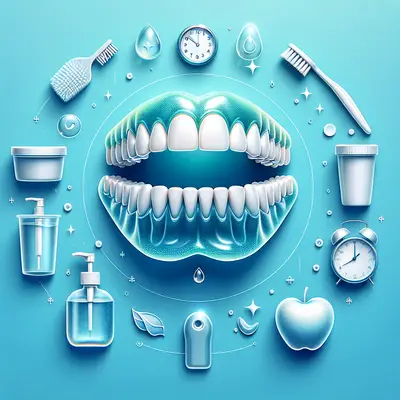
Removing dentures at night is more than a hygiene recommendation; it’s an opportunity to orchestrate a full “rest and recovery” ritual for both your prosthetic and your oral tissues. Rather than dropping your dentures into any random solution at the end of the day, consider a curated sequence: a gentle but thorough clean with a non-abrasive denture brush, a carefully chosen cleanser that respects the material’s finish, and a cool, fresh soak that restores hydration to the acrylic or other denture materials.
Equally important is how you care for your gums and palate. A soft, deliberate massage of the gums and ridges with a super-soft toothbrush or fingertip can enhance circulation, reduce the risk of irritation, and keep tissues more resilient. Incorporating a soothing rinse—alcohol-free and formulated for sensitive oral environments—helps maintain balance without harshness. Over time, this nightly ritual becomes a moment of recalibration, signaling to your body that the day is done, your smile is cared for, and everything is being quietly prepared for another day of impeccable performance.
4. Mastering Subtle Hydration Strategies for Comfort and Clarity
Many denture wearers underestimate the role of hydration in both comfort and clarity of speech. A refined denture routine discreetly supports moisture balance throughout the day, particularly if you experience dry mouth from medications, age, or lifestyle. Rather than relying solely on sips of water, you might integrate a rotation of alcohol-free moisturizing sprays, gels, or lozenges formulated for oral dryness—used sparingly yet strategically before conversations, meals, or events.
These products, when chosen wisely, help maintain a thin, comfortable layer of moisture between the denture base and your tissues, improving both comfort and articulation. Even your beverage habits can be fine-tuned: alternating non-acidic water between coffee or wine, for example, can help reduce staining while subtly supporting hydration. Over time, you’ll notice that your dentures feel more integrated and less like an “add-on” to your mouth. This level of attention turns something as ordinary as drinking water into a quiet tool for preserving both elegance and ease.
5. Protecting the Finish: The “Surface Etiquette” That Extends Denture Life
The surface of your dentures is more delicate than it appears. Tiny abrasions can accumulate from harsh toothpaste, stiff brushes, or even unfiltered, gritty cleansers, gradually dulling their luster and inviting more plaque buildup. Sophisticated denture care involves an almost couture-level “surface etiquette”—a clear understanding of what should and should not come into contact with your prosthetic. That means opting for non-abrasive denture cleansers instead of standard toothpastes, and choosing a dedicated soft-bristled brush reserved exclusively for your appliance.
Even your handling habits matter: placing dentures on a soft towel when cleaning, avoiding scalding hot water that can warp materials, and never leaving them exposed to drying environments where micro-cracks might develop over time. For those who prioritize aesthetics, this attention to the finish can be the difference between a smile that looks “good enough” and one that retains its glassy, natural-looking sheen year after year. Think of it as the oral equivalent of caring for polished leather or fine jewelry—subtle, consistent protection that preserves both function and beauty.
Conclusion
Exquisite denture care is not defined by one product, one appointment, or one technique. It is the culmination of many small, intentional decisions: planning your denture “wardrobe,” treating adjustments like tailoring, honoring a nightly rest ritual, nurturing hydration, and safeguarding the surface with meticulous care. Together, these practices create a standard of refinement that is felt far more than it is seen.
When you approach denture care with this level of discernment, your smile becomes more than a replacement—it becomes an expression of how thoughtfully you care for yourself, down to the most discreet details. Over time, this quiet devotion to excellence is what makes your dentures not merely acceptable, but truly exceptional.
Key Takeaway
The most important thing to remember from this article is that this information can change how you think about Denture Care.