Every polished detail of your day—tailored clothing, considered fragrance, a well-chosen watch—communicates intention. Your dentures should be no exception. Beyond the standard care instructions lies a quieter layer of refinement: subtle adjustments, premium habits, and nuanced techniques that transform dentures from “good enough” to effortlessly impeccable.
This guide reveals five exclusive, under-discussed insights that discerning denture wearers use to preserve comfort, aesthetics, and confidence—without ever calling attention to the fact that they wear dentures at all.
1. The Evening Reset: Treating Your Dentures Like Fine Instruments
Think of your dentures less as “false teeth” and more as precision-crafted appliances—closer to a luxury timepiece than a disposable accessory. The way you close your day with them sets the tone for how they will perform tomorrow.
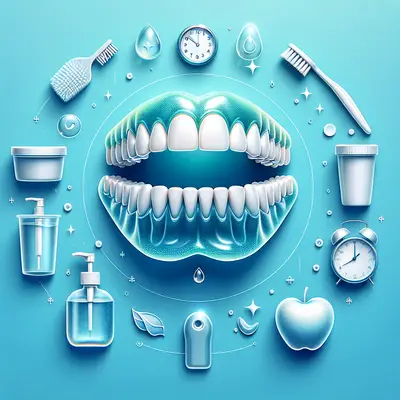
Instead of simply “soaking overnight,” approach evenings as a deliberate reset ritual. Begin with a lukewarm rinse to remove surface debris, then brush gently using a soft denture brush and a non-abrasive, non-whitening denture cleanser—never standard toothpaste, which can create micro-scratches that dull the surface and harbor bacteria. After cleaning, inspect the denture under good lighting: look for faint discoloration at the base, fine fissures, or areas where the acrylic has lost its luster. These subtle changes often precede discomfort, staining, or odor.
Place the dentures into a fresh denture solution that is specifically formulated for removable prostheses, ensuring the liquid fully covers the appliance. Avoid very hot water, which can warp acrylic and distort the fit over time. If you wear partial dentures with metal clasps, confirm that your chosen solution is compatible with metal components. An intentional evening reset preserves not only cleanliness, but also the integrity and longevity of your dentures—quietly elevating next day comfort.
2. The “Invisible Fit” Strategy: Micro-Adjustments Most People Never Learn
Many denture wearers accept minor irritation, slipping, or pressure points as inevitable. In reality, highly refined comfort often comes from a series of subtle, well-timed micro-adjustments rather than a dramatic refitting after a problem becomes severe.
Your gums and underlying bone continue to change shape over time, particularly in the first year after extractions. This can slightly alter denture fit even when everything appears “fine” in the mirror. Instead of waiting for overt pain or obvious movement, adopt an “invisible fit” strategy: schedule periodic fit assessments every 6–12 months, even if you feel mostly comfortable.
During these visits, a skilled dentist or prosthodontist can perform small relines, reshape pressure areas, and fine-tune bite alignment so your dentures function more like natural teeth. They may also evaluate your jaw joints and facial muscles—if the bite is even slightly off, it can lead to subtle tenderness, headaches, or accelerated wear on specific zones of the denture. These micro-adjustments are rarely dramatic, but they are often what separates “acceptable” from “effortless”—a fit so natural it recedes into the background of your day.
3. Curated Adhesive Use: Precision, Not Dependence
Adhesive should feel more like a finishing touch than a crutch. When used intelligently, it can refine the seal, soften micro-movements, and heighten confidence—especially in social or professional settings—but over-reliance can mask underlying issues with fit.
Start by choosing an adhesive type that matches your lifestyle: creams for fine control, strips for convenience, or powders for a lighter, more discreet hold. Apply sparingly in small dots or thin lines rather than a heavy smear; excess adhesive not only feels messy, it can ooze and disturb the delicate relationship between the denture base and your soft tissues. If you find yourself needing more and more adhesive over time, it is less a sign to increase product and more a quiet indicator that a refit or reline is due.
On days when you are at home or in low-stakes environments, experiment with wearing your dentures with less adhesive, or none at all if your dentist approves. This allows you to sense how your gums and denture base are interacting and to detect changes early. In high-demand situations—speaking engagements, long dinners, travel days—adhesive becomes a strategic enhancement rather than a constant requirement. The refined approach is to let professional fit do most of the work and reserve adhesive for subtle precision.
4. The Refined Diet Edit: Protecting Dentures Without Compromising Pleasure
Enjoying food elegantly with dentures is less about restriction and more about intelligent strategy. Instead of simply avoiding “hard” or “sticky” foods, consider how preparation, temperature, and texture can transform familiar dishes into denture-friendly pleasures.
Hard fruits and vegetables—apples, carrots, crusty breads—can often be enjoyed when sliced thinly, lightly steamed, or paired with soft elements that balance texture. Rather than biting into foods with your front teeth (which can destabilize upper dentures), cut items into smaller, manageable portions and chew more toward the back teeth, distributing pressure evenly on both sides. This not only preserves denture stability but also protects the underlying bone and soft tissues.
Temperature is an often-overlooked refinement: very hot foods can slightly soften denture material over time and may blunt your ability to detect irritating spots in the mouth, while extremely cold foods can heighten sensitivity where the gum tissue is thinner. Aim for pleasantly warm rather than scalding, and give yourself time to savor rather than rush.
Finally, be mindful of staining agents—coffee, tea, red wine, deeply pigmented sauces. They can gradually tint acrylic and resin teeth, creating a subtle dullness that undermines the overall refinement of your smile. Rinse with water after consumption when brushing is not immediately possible. The goal is not ascetic restriction but curated enjoyment: your meals remain pleasurable, while your dentures stay pristine.
5. Quiet Confidence Maintenance: Beyond Cleaning into Total Oral Wellness
Truly elevated denture care extends beyond the appliance itself to the entire oral environment. Your gums, tongue, palate, and underlying bone are the living foundation that allows your dentures to function gracefully.
Each evening, after removing your dentures, gently brush your gums, tongue, and palate with a soft toothbrush or ultra-soft brush. This reduces plaque biofilm, supports circulation, and helps prevent irritation, fungal infections, and bad breath. An alcohol-free mouth rinse, recommended by your dentist, can add another layer of protection without drying delicate tissues.
Hydration is another discreet but powerful factor. Dry mouth (xerostomia) is common with certain medications and as we age; it can increase the risk of fungal infections and make dentures feel less secure. Sip water consistently throughout the day and discuss with your clinician whether saliva substitutes or prescription options are appropriate if dryness is a frequent concern.
Finally, maintain regular dental check-ups—even if you have full dentures and no natural teeth remaining. Your dentist will examine your soft tissues for early signs of irritation, infection, or oral cancer, and evaluate how your facial structure and bite are aging with your prosthesis. This is where quiet confidence is truly built: issues are addressed well before they become visible or uncomfortable, and your dentures remain as composed and polished as the rest of your life.
Conclusion
Denture care at its most refined is never about doing the bare minimum; it is about subtle, consistent choices that accumulate into comfort, discretion, and poise. An intentional evening reset, proactive fit optimization, curated adhesive use, intelligent dining strategies, and comprehensive oral wellness form an integrated approach that respects both the craftsmanship of your dentures and the standards you hold for yourself.
With these five insider refinements, your dentures cease to be a compromise and instead become a seamlessly integrated part of your overall aesthetic—quietly reliable, elegantly maintained, and entirely your own.
Sources
- American Dental Association – Dentures – Overview of denture types, basic care, and professional recommendations
- Mayo Clinic – Dentures: How to Care for Them – Practical guidance on daily maintenance, fit, and adjustment expectations
- National Institute of Dental and Craniofacial Research (NIDCR) – Oral Health Topics – Evidence-based information on tooth replacement options, including dentures and oral tissue health
- Cleveland Clinic – Dentures: Uses, Types & Care – Detailed explanation of denture function, adaptation, and care routines
- University of Rochester Medical Center – Dentures and Partial Dentures – Educational resource on wearing, cleaning, and maintaining dentures over time
Key Takeaway
The most important thing to remember from this article is that this information can change how you think about Denture Care.