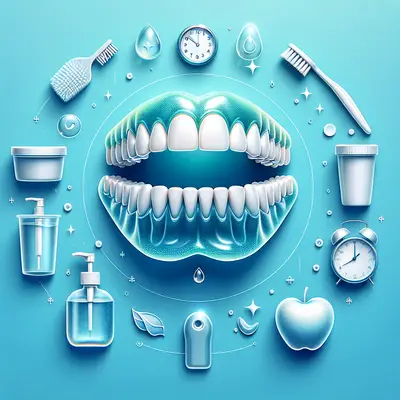
For the discerning denture wearer, comfort and aesthetics are only the beginning. True excellence lies in the subtle decisions you make each day—how you clean, store, wear, and even speak with your dentures. This is not about merely managing a prosthesis; it is about curating a seamless, polished experience that reflects your standards. The following five insights go beyond generic advice to explore practices that elevate denture care into a quiet form of daily luxury.
Insight 1: Curating a Gentle Yet Thorough Cleaning Ritual
A premium denture experience begins with an elevated cleaning ritual—one that is meticulous but never harsh. Abrasive toothpaste and hard-bristled brushes can create microscopic scratches on denture surfaces, making them more prone to staining and harboring bacteria. Instead, a soft-bristled brush paired with a non-abrasive denture cleanser preserves the luster of the material while achieving a deep clean.
Equally important is technique. Rather than brisk scrubbing, employ slow, deliberate strokes, paying careful attention to the fitting surfaces and areas around clasps in partial dentures. Rinse with cool or lukewarm water—never hot—to avoid distorting the acrylic base. Consider scheduling your denture cleaning at the same time each day, transforming what could feel like a chore into a quiet, intentional ritual that reinforces consistency and care.
Insight 2: Mastering the Art of Overnight Care and Rest
How you treat your dentures when you are not wearing them is just as important as how you treat them in your mouth. Dentures should not simply be left on a nightstand; they deserve a considered environment. Allowing them to dry out can cause the acrylic to warp or crack over time, while leaving them constantly in the mouth can increase the risk of irritation, fungal overgrowth, and sore spots.
An elegant approach involves a dedicated, lidded container filled with fresh, cool water or a dentist-approved soaking solution each night. This maintains the denture’s moisture balance and supports a hygienic surface. Just as significant is giving your oral tissues time to rest—sleeping without your dentures, unless otherwise directed by your dentist, allows the gums and underlying bone to recover from daily pressure. This quiet interval of rest can reduce inflammation and prolong the life of both your dentures and your oral tissues.
Insight 3: Elevating Fit and Comfort Through Subtle Adjustments
A well-crafted denture is more than a prosthetic; it is a bespoke appliance that must harmonize with the evolving contours of your mouth. Over time, bone and gum tissues naturally change, often becoming thinner or reshaped. Even the finest denture will not remain perfectly adapted forever, and forcing a compromised fit can result in sores, difficulty chewing, and accelerated bone resorption.
The refined approach is proactive, not reactive. Rather than waiting for significant discomfort, schedule periodic fit evaluations with your dentist—even if everything “seems fine.” Small, precise adjustments or relining can make a remarkable difference in comfort and stability. This thoughtful strategy avoids the cycle of tolerating minor irritation until it becomes a major concern, and instead preserves an almost effortless feel. The result is a denture that does not merely sit in your mouth but feels quietly, confidently integrated into daily life.
Insight 4: Protecting the Denture–Natural Tissue Relationship
Denture care is not just about the prosthesis—it is about the entire oral environment. The harmony between your denture, your gums, and any remaining natural teeth defines long-term success. Neglecting the gums or remaining teeth can quickly undermine even the most carefully crafted denture, leading to shifting, soreness, and compromised function.
Establishing a refined routine that treats the mouth as an interconnected system is essential. This means gently brushing the gums, tongue, and palate with a soft brush every morning and evening to stimulate circulation and remove plaque and debris. If you have partial dentures, flossing and brushing your natural teeth with a fluoride toothpaste becomes non-negotiable; those teeth are the structural anchors of your restoration. When you prioritize the health of oral tissues with the same care you give the denture itself, you create a stable, resilient foundation that supports comfort, clarity of speech, and graceful aesthetics over the long term.
Insight 5: Anticipating Wear, Staining, and Subtle Aging of Your Denture
Even the most exquisite dentures will not remain unchanged forever. With time, microscopic wear, minor staining, and slight dimensional shifts are inevitable. Accepting this reality does not mean lowering your standards—it means planning elegantly around it. A thoughtfully managed maintenance strategy allows your smile to age gracefully, rather than abruptly.
Consider the way fine garments or luxury leather goods require periodic professional care; dentures benefit from the same philosophy. Professional polishing and deep cleaning by your dental team can restore much of the original sheen and remove stubborn deposits that at-home care cannot address. Equally valuable is a periodic reassessment of the bite and appearance—subtle adjustments in tooth positioning or shade over the years can maintain a natural, harmonious look as your facial features evolve. By anticipating these changes instead of waiting for dissatisfaction to appear, you preserve a consistently refined presentation that feels authentically yours.
Conclusion
Exemplary denture care is less about dramatic interventions and more about a series of quiet, thoughtful decisions—how you clean, rest, adjust, protect, and maintain your dentures over time. These five insights offer a more elevated lens: treating your dentures not as an afterthought, but as a carefully integrated element of your overall well-being and personal presentation. With intentional habits and an ongoing partnership with your dental professional, your dentures can deliver not only function, but an understated, enduring elegance in every smile.
Sources
- American Dental Association – Dentures – Overview of denture types, care recommendations, and professional guidance
- Mayo Clinic – Dentures: How to Care for Them – Practical advice on cleaning, soaking, and maintaining dentures
- Cleveland Clinic – Dentures – Detailed discussion of fit, adjustments, and long-term expectations
- National Institute of Dental and Craniofacial Research – Oral Health in Older Adults – Context on oral health changes, tissue health, and considerations for denture wearers
- Columbia University College of Dental Medicine – Caring for Removable Dentures – Professional guidance on daily care, storage, and protecting oral tissues
Key Takeaway
The most important thing to remember from this article is that this information can change how you think about Denture Care.