Elegance in denture wear is rarely about spectacle; it is about what others never see—quiet routines, thoughtful choices, and a standard of care that protects both comfort and confidence. Beyond the familiar advice to “soak and brush,” there exists a more refined layer of maintenance: subtle adjustments, elevated habits, and small, intelligent rituals that preserve the integrity of your dentures and the health of your mouth. This guide explores five exclusive, detail‑oriented insights designed for denture wearers who view oral care as part of a cultivated daily standard.
Rethinking Clean: Precision Maintenance vs. Over‑Cleaning
Denture care is not a contest of enthusiasm; it’s an exercise in precision. Many conscientious wearers unintentionally shorten the life of their dentures by cleaning them too aggressively or with the wrong products.
Over‑brushing with hard bristles, abrasive toothpaste, or household cleaners can microscratch the acrylic surface. Those microscopic grooves invite plaque and stain retention, dulling the luster of the denture and making it harder to keep truly clean. A better approach is to treat dentures as you would a premium object: firm attention with gentle tools.
Use a soft‑bristled brush specifically designed for dentures and a non‑abrasive cleanser—never regular whitening toothpaste, baking soda scrubs, or dish soap. Rinse with cool to lukewarm water rather than hot, which can warp the material over time. Think of cleaning not as “scrubbing away” but as “precision care,” protecting the smooth, polished surfaces your dentist meticulously created. This shift from force to finesse preserves clarity, comfort, and long‑term fit.
The Temperature Standard: A Hidden Protector of Fit and Finish
Temperature control is one of the most underestimated aspects of sophisticated denture maintenance. Acrylic and some flexible materials are remarkably resilient yet still susceptible to subtle dimensional changes when exposed to heat extremes.
Avoid soaking or rinsing dentures in very hot water—steaming tap water, boiling water, or water straight from a kettle can cause warping that is often irreversible. Even a slight distortion can affect how evenly your bite comes together or create pressure points that lead to sore spots and friction.
Similarly, be cautious with thermal shock. Moving dentures from very cold to very hot conditions (for example, from iced beverages to scalding rinses) can stress the material over time. The refined standard: room temperature or cool water for daily care, and clinically recommended cleansing solutions at the temperature suggested on the label. This quiet discipline maintains the precise fit you invested in and reduces the need for premature relines or remakes.
Nightly Resting Rituals: Beyond “In or Out”
The question of whether to sleep with dentures often gets simplified into a yes/no answer, when in reality, a more nuanced, premium approach is ideal. Most dentists recommend that dentures be removed at night to allow the gums and jawbone to rest and to reduce the risk of fungal infections and irritation. Yet what you do during that overnight period matters just as much as whether the dentures are in your mouth.
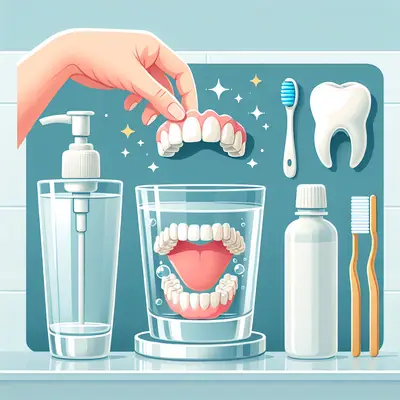
First, ensure that dentures are kept moist whenever they are out of your mouth—dry acrylic can warp, craze, or crack over time. Store them in a clean container with fresh water or a dentist‑approved solution, never in mouthwash containing high levels of alcohol, which can dry and degrade materials.
Second, pair your denture’s rest with an intentional oral tissue care ritual. Gently brush your gums, tongue, and palate with a soft toothbrush and water, or a non‑irritating mouth rinse if recommended by your dentist. This stimulates circulation, removes plaque biofilm, and helps maintain the health of the underlying tissues that support your dentures. The result is a nightly routine that feels less like “taking something out” and more like an elevated care sequence for both prosthesis and mouth.
Adhesive as a Tool of Refinement, Not a Crutch
High‑quality dentures should fit securely without reliance on excessive adhesive, yet for many wearers, a subtle, strategic use of adhesive can enhance confidence and comfort—especially during long days, social events, or meals out.
The refined approach is minimalist: use the smallest amount of a reputable denture adhesive recommended by your dentist, applied in thin, controlled strips or dots rather than a continuous thick layer. More adhesive does not equal more stability; instead, excess can ooze, trap food particles, and complicate cleaning.
Equally important is the nightly removal ritual. Adhesive remnants should be gently cleaned from both the denture and your gums. Lukewarm water, a soft brush, and patience—rather than sharp tools or harsh scrubbing—prevent damage to the appliance and irritation of delicate tissue. If you find yourself increasingly dependent on adhesive to feel secure, treat that as a sophisticated early‑warning signal: it’s time for a professional evaluation of fit, not a stronger glue.
The Annual Audit: Treating Dentures Like a Bespoke Investment
Just as a tailored garment benefits from periodic adjustments, well‑made dentures deserve a structured “audit” rather than only reactive visits when something hurts or breaks. Even the most precisely crafted denture will be outpaced over time by changes in your jawbone, bite, and soft tissues.
Schedule regular check‑ups—often annually or as your dentist recommends—even if everything feels “good enough.” A meticulous clinician will evaluate wear patterns on the teeth, subtle rocking or instability, microscopic cracks, the health of your oral tissues, and any changes in your bite that might predispose you to soreness or joint discomfort.
This proactive mindset extends to maintenance choices: replacing worn dentures before they become visibly compromised, updating cleaning protocols as new evidence‑based products emerge, and reassessing your adhesives, soaking solutions, and brushing techniques. Viewing your dentures as a bespoke, functional investment invites a higher standard of care—one that anticipates issues rather than simply reacting to them.
Conclusion
Impeccable denture care is less about memorizing rules and more about adopting a cultivated mindset: protect the fit, respect the material, honor your oral tissues, and welcome professional oversight as part of your lifestyle, not an interruption to it. By refining your approach—temperate cleaning, careful storage, thoughtful adhesive use, and regular professional evaluations—you transform everyday maintenance into a quiet expression of self‑respect. The result is not only a beautiful, confident smile, but a standard of comfort and longevity that feels effortlessly, and unmistakably, elevated.
Sources
- American Dental Association – Dentures - Overview of denture types, basic care recommendations, and professional guidance
- Mayo Clinic – Dentures: Tips and Care - Practical, clinically grounded advice on cleaning, storage, and oral tissue care
- Cleveland Clinic – Dentures - Detailed discussion of fit, adjustments, and long‑term maintenance considerations
- National Institute of Dental and Craniofacial Research – Oral Health for Older Adults - Context on oral health changes with age, including considerations relevant to denture wearers
- Columbia University College of Dental Medicine – Care and Use of Removable Dentures - Educational resource on best practices for daily care and professional follow‑up
Key Takeaway
The most important thing to remember from this article is that this information can change how you think about Maintenance Tips.