A well-crafted denture is more than a dental appliance; it is a quietly powerful extension of your presence. Preserving its integrity is not about rigid rules, but about cultivating a refined routine—one that protects comfort, aesthetics, and long-term oral health. This guide explores maintenance through a more elevated lens, with five exclusive insights designed for denture wearers who value precision, subtlety, and enduring quality.
Curating Your Cleaning Ritual: Beyond “Brush and Soak”
Daily cleansing is standard advice, but the way you execute it determines whether your dentures age gracefully or prematurely. Think of cleaning as curating a surface: every stroke, every product, and every moment in contact with your denture materials matters.
Use a soft-bristled brush specifically intended for dentures; the firmer varieties designed for natural teeth can create micro-scratches on acrylic or resin. These microscopic grooves don’t simply dull the surface—they can harbor biofilm and pigments, gradually compromising both freshness and appearance. Instead of abrasive toothpaste, opt for a non-abrasive denture cleanser or a mild, dentist-approved soap, which cleans without etching.
Avoid very hot water; it may seem intuitive for “deeper” cleaning, but high temperatures can warp the base and subtly alter the fit over time. Rinse thoroughly after soaking to remove residual cleanser, which can irritate your tissues if left behind. Above all, embrace consistency: a meticulous, gentle cleaning ritual once or twice daily is far more effective—and safer—than occasional, aggressive scrubbing.
Preserving Fit: Subtle Daily Checks Most People Overlook
A well-fitting denture should feel like a natural extension of your bite, not a foreign object you are constantly negotiating with. Yet many wearers adapt to small changes so gradually that by the time discomfort is obvious, the underlying issue is more advanced. Incorporating quick, discreet “fit checks” into your daily routine helps you detect problems early, when refinement is simple and conservative.
Pay attention to how your dentures seat when you first place them: do they glide into place as usual, or do you notice a slight rock, click, or new pressure point? Note any changes in how your cheeks and tongue rest against the denture—subtle rubbing or a new rough sensation often precedes a sore spot. Observe your speech when you are alone and relaxed; if certain sounds suddenly require more effort or you hear faint clicking, the fit may be shifting.
These tiny cues often correspond to natural changes in the underlying bone and soft tissues over time. Rather than compensating by using extra adhesive, document these observations and share them with your dental professional during maintenance appointments. Early, precise relining or adjustment preserves both comfort and the lifespan of your dentures, while protecting the delicate tissues that support them.
The Night Protocol: A Restorative Approach to Soaking and Storage
Nighttime is when your dentures—and your oral tissues—should recover. Treat this as a “rest protocol,” not merely a period when your dentures are out of sight. Removing dentures overnight significantly lowers the risk of denture stomatitis (a common inflammatory condition) and allows your palate and gums to breathe, rebalance, and maintain a healthier microbiome.
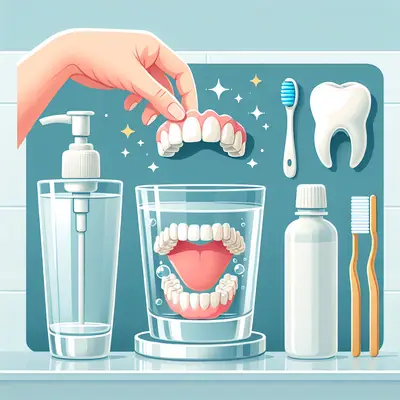
While your dentures rest, the solution you choose matters. Use a non-abrasive, effervescent denture cleanser or a solution recommended by your dentist; this targets biofilm and surface deposits more effectively than plain water. Avoid products with bleach unless they are specifically labeled for denture use, and never use household cleaning agents—they can weaken materials and irritate oral tissues.
Water temperature should be comfortably cool or lukewarm, never hot. Ensure the dentures are fully submerged to prevent drying, which can cause warping or surface cracking over time. If you travel frequently, invest in a dedicated, lidded denture bath to protect them from accidental drops or contamination. This mindful, structured night protocol not only supports the health of your mouth but also preserves the clarity, luster, and structural integrity of your dentures.
Precision with Adhesives: Enhancing Stability Without Excess
Denture adhesive can be a refined tool or a compensatory crutch, depending on how it’s used. The goal is subtle enhancement of stability—not masking a poor fit. A properly fitting denture should require minimal adhesive, if any, for everyday wear. When you do choose to use it, application should be deliberate and minimalistic.
Apply adhesive in small, evenly spaced dots or thin strips, avoiding the edges; this prevents excess material from seeping out and creating visible residue or an unpleasant mouthfeel. Less is genuinely more: a smaller amount allows for closer adaptation of the denture to your tissues, often resulting in better retention than a heavy application.
If you routinely need more adhesive to feel secure, that is a clinical signal, not a personal failing. Persistent reliance on large amounts of adhesive suggests that the denture may need adjustment, relining, or a complete remake. Keep a mental note of how much product you use from month to month; any clear upward trend is worth discussing with your dentist. By treating adhesive as a fine-tuning instrument rather than a structural solution, you maintain both elegance and oral health.
Protecting Surface Brilliance: Guarding Against Stains, Odors, and Micro-Wear
The most refined dentures are not just clean—they retain their translucency, surface gloss, and natural vitality over years of wear. This requires intentional protection against staining, odors, and micro-wear that accumulate subtly over time. Lifestyle decisions play a quiet but powerful role here.
Limit frequent, prolonged exposure to deeply pigmented substances such as coffee, red wine, black tea, and tobacco. When you do indulge, follow with a water rinse to reduce the time pigments sit on the denture surface. Resist the temptation to “spot clean” with harsh scrubbing or abrasive powders; these may temporarily brighten the surface but create dullness and increased staining susceptibility long term.
Equally important is the health of the tissues that support your denture. Brush your gums, tongue, and palate gently with a soft brush once or twice daily, and consider an alcohol-free antimicrobial mouthrinse if recommended by your dentist. A cleaner oral environment minimizes the bacterial load that can contribute to both odor and plaque-like deposits on the denture itself. Combine this with regular professional evaluations and periodic polishing by a dental professional, and you create a maintenance ecosystem that preserves both the beauty and function of your appliance.
Five Exclusive Insights for the Discerning Denture Wearer
- Micro-scratch prevention is your best cosmetic insurance.
Avoid any cleanser or brush that feels even slightly abrasive. Protecting the microscopic integrity of the denture surface dramatically slows staining and preserves a natural, enamel-like sheen.
- Your gums and palate are part of the “appliance.”
Treat soft-tissue care as a non-negotiable component of denture maintenance. Massaging and brushing your gums daily improves circulation, comfort, and the quality of the foundation your dentures rest upon.
- Temperature discipline quietly extends denture life.
From cleaning water to hot beverages, consistent exposure to very high temperatures can subtly distort your denture base. Opt for moderate temperatures whenever possible to preserve fit and stability.
- A symptom diary can refine your dental visits.
Briefly note any recurring pressure points, speech changes, or adhesive use patterns. Bringing this log to your appointments allows your dental professional to perform more targeted, efficient adjustments.
- Professional polishing is not cosmetic vanity—it’s preventive care.
Periodic in-office polishing and evaluation remove stubborn deposits, smooth minor roughness, and identify early fractures or wear before they become failures. This elevated maintenance approach prolongs both beauty and function.
Conclusion
Exquisite denture maintenance is less about rigid rules and more about intention: subtle daily checks, carefully chosen products, and respect for the delicate interplay between appliance and oral tissues. By elevating your routine from basic cleaning to thoughtful stewardship, you preserve not only the longevity and comfort of your dentures, but also the confidence and ease with which you move through the world. In this space of quiet precision, your smile becomes not simply maintained, but artfully conserved.
Sources
- American Dental Association – Dentures – Overview of denture types, cleaning basics, and professional recommendations
- Cleveland Clinic – Dentures: Types, Care & Maintenance – Detailed guidance on daily care, fit, and when to seek professional adjustments
- Mayo Clinic – Dentures: How to Care for Them – Practical tips on cleaning, soaking, and protecting oral tissues
- National Institute of Dental and Craniofacial Research (NIDCR) – Oral Health for Older Adults – Context on oral health, tissue changes, and considerations for removable prosthetics
- Colgate Oral Care Center – Caring for Dentures – Consumer-focused but evidence-aligned advice on everyday denture maintenance and stain prevention
Key Takeaway
The most important thing to remember from this article is that this information can change how you think about Maintenance Tips.