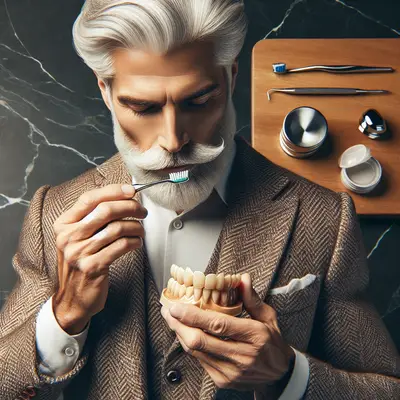
Oral hygiene with dentures is not simply a matter of keeping a prosthetic clean; it is the quiet discipline of preserving the health, comfort, and elegance of your entire mouth. When approached with intention, each step becomes less of a chore and more of a refined ritual—one that protects your investment, safeguards your health, and ensures your smile feels as polished as it looks. What follows is an elevated perspective on oral care for denture wearers, with five exclusive insights that move beyond the usual advice and into the realm of meticulous, considered care.
Oral Hygiene as the Foundation of Comfortable Denture Wear
Dentures live in close contact with delicate oral tissues, which makes hygiene not merely optional, but foundational. The goal is twofold: to protect the supporting structures (gums, tongue, palate, and any remaining natural teeth) and to preserve the integrity of the denture materials over time.
A well-curated routine goes beyond brushing: it addresses biofilm control, odor management, tissue resilience, and microscopic wear on the prosthesis. Neglect in any of these areas can translate into subtle discomfort—tiny pressure points, a persistent metallic taste, or low-grade inflammation—that erodes confidence long before visible problems appear. Elevated oral hygiene anticipates these issues and prevents them quietly, in the background of your day.
Beyond “Clean”: Understanding the Oral Ecosystem with Dentures
When you wear dentures, your mouth becomes a carefully balanced ecosystem. The acrylic or porcelain surfaces, your saliva, the underlying tissues, and your microbiome all interact continuously. Appreciating this complexity reframes cleaning from a purely cosmetic act into a health-preserving habit.
Denture surfaces can harbor bacteria and fungi such as Candida, which may not be visible yet can significantly affect taste, breath, and comfort. Food particles trapped beneath the denture can irritate tissues, leading to redness, sore spots, and eventual changes in the fit if the inflammation is chronic. Good hygiene practices—thorough cleaning of the denture, gentle care of the tissues, and thoughtful product selection—support a harmonious oral environment where the prosthesis becomes almost imperceptible in daily life.
Exclusive Insight #1: Treat Your Gums Like Skin, Not Like Teeth
Most guidance focuses on how to clean the denture itself, yet the true luxury experience hinges on how you care for the tissues that support it. A sophisticated routine recognizes that your gums are more like delicate skin than enamel.
Instead of brushing your gums aggressively with a firm brush, choose a very soft-bristled brush or a specialized gum brush and use slow, polishing motions. Massaging the gums, palate, and inner cheeks with gentle circular strokes stimulates blood flow, encourages tissue resilience, and can reduce the risk of painful pressure points. For those with sensitive tissues, warm saline rinses (a small pinch of salt in a glass of warm water) can be soothing without the harshness of strong antiseptics.
Think of this as skincare for your mouth: consistent, gentle attention rather than harsh, sporadic “deep cleans.” This approach preserves comfort and keeps tissues supple, which is essential for a stable, well-seated denture.
Exclusive Insight #2: Rinse Strategy Matters More Than You Think
Many denture wearers underestimate the influence of rinsing. The right rinse, used at the right time, quietly elevates your hygiene routine while protecting your materials and tissues.
Alcohol-containing mouthwashes can be excessively drying and irritating to the mucosa, particularly under a denture where saliva circulation is already reduced. A more refined approach is to use an alcohol-free, antimicrobial rinse once or twice daily, ideally after cleaning the denture and brushing the tissues. This targets residual bacteria and fungi without stripping moisture.
Between meals, a simple water rinse—swished thoroughly around and beneath the denture if possible—is often sufficient to dislodge debris and neutralize acids. This is especially important after acidic or pigmented foods (such as tomato-based sauces, berries, red wine, or coffee), which can subtly affect both the oral environment and the appearance of the denture over time. Viewed this way, rinsing becomes a strategic, minimalist intervention rather than an afterthought.
Exclusive Insight #3: Schedule a “Denture Curfew” Each Night
The instruction to “remove your dentures at night” is common, yet rarely framed in a way that emphasizes comfort and ritual. Consider setting a nightly “denture curfew”—a consistent time, ideally at least an hour before sleep, when your dentures come out and your oral tissues are allowed to rest.
This pause serves several sophisticated purposes. It gives you time for unhurried cleaning of your dentures, gentle brushing of your gums and tongue, and any specialized rinses or treatments your dentist may recommend. More importantly, it ensures that your oral tissues are not constantly compressed, allowing them to recover and maintain healthy circulation.
By transforming removal into a ritual rather than a rushed final step before bed, you reduce the temptation to sleep in your dentures and minimize the risk of fungal infections, chronic irritation, and odor. Over time, your mouth will feel fresher upon waking, and your dentures will retain their fit and sheen with less effort.
Exclusive Insight #4: Refined Product Selection for Denture-Specific Care
Not all oral care products are designed with dentures in mind, and indiscriminate use can create subtle but cumulative damage. Elevated hygiene acknowledges material compatibility and long-term aesthetics.
Non-abrasive cleaners formulated specifically for dentures help prevent microscopic scratches that can harbor plaque and stain. Regular toothpaste, particularly whitening or “tartar control” versions, is often too abrasive for acrylic surfaces. Instead, use a dedicated denture cleanser or a mild, non-abrasive soap with a soft brush to preserve the smooth finish.
Effervescent denture cleaning tablets used in lukewarm (not hot) water can effectively disrupt biofilm, but they should complement—not replace—mechanical brushing of the denture. If you use denture adhesive, select a formula that rinses away cleanly and avoid over-application, as excess residue can trap debris and irritate tissues. This thoughtful product curation protects both your denture and your oral health while preserving a refined appearance over years, not months.
Exclusive Insight #5: Professional “Oral Styling” Twice a Year
Just as a tailored wardrobe benefits from the periodic eye of a skilled tailor, your dentures and oral tissues deserve regular professional review. Think of biannual dental visits not as mere “checkups,” but as expert oral styling sessions.
During these appointments, your dental professional does far more than inspect your denture. They assess the health of the underlying tissues, screen for oral cancer and infections, evaluate bite alignment, and identify early signs of wear or instability in the prosthesis. Even a subtle change in bone structure or gum contour can alter how your denture loads pressure across the mouth.
Professional polishing of the denture can restore luster and smoothness that is difficult to achieve at home, while precise adjustments can eliminate minor irritations before they become painful sores. This proactive approach not only protects your health but also maintains the effortless, natural look and feel that defines a truly elevated denture experience.
Conclusion
Oral hygiene with dentures is most successful when it transcends the bare minimum and becomes a considered ritual—one that respects the sensitivity of oral tissues, the sophistication of modern prosthetic materials, and the nuance of the oral ecosystem. By treating your gums with the same care as fine skin, adopting a purposeful rinsing strategy, honoring a nightly denture curfew, curating products for material compatibility, and embracing professional “oral styling” twice a year, you create a standard of care that feels quietly luxurious.
In this refined framework, your dentures are no longer something to simply “manage.” They become a seamlessly integrated part of your daily life, supported by practices that preserve comfort, confidence, and a polished presence in every interaction.
Sources
- American Dental Association – Dentures – Overview of denture types, basic care, and professional guidance from the ADA
- Mayo Clinic – Dentures: How to Care for Them – Practical recommendations on daily denture hygiene and oral tissue care
- Cleveland Clinic – Dentures – Detailed explanation of denture use, maintenance, and when to seek professional adjustments
- National Institutes of Health – Oral Candidiasis and Denture Use – Research-based insight into fungal infections associated with dentures and the importance of hygiene
- Centers for Disease Control and Prevention – Oral Health Basics – Broader context on oral health, emphasizing prevention and regular dental visits
Key Takeaway
The most important thing to remember from this article is that this information can change how you think about Oral Hygiene.