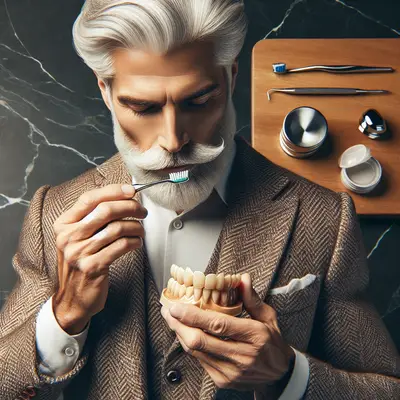
Even the most beautifully crafted dentures cannot compensate for a neglected mouth. True refinement lies not only in how your smile appears, but in how comfortably, cleanly, and confidently it allows you to live. For denture wearers, oral hygiene becomes a quiet daily ritual—part science, part self‑care, and entirely essential.
This guide explores a more elevated approach to oral hygiene with dentures, including five exclusive insights that go beyond basic advice. Think of it as a blueprint for keeping your mouth impeccably clean, your dentures beautifully maintained, and your confidence quietly assured.
Redefining Clean: Oral Hygiene Beyond the Denture Itself
Many people assume dentures replace the need for meticulous oral hygiene. In reality, the opposite is true: a prosthetic smile demands a more deliberate, curated routine.
Even without natural teeth, your mouth is home to a complex ecosystem of bacteria, food particles, and biofilm. The soft tissues of your cheeks, tongue, and palate, along with any remaining teeth or implants, are all vulnerable to inflammation and infection.
Daily care should include:
- Gentle brushing of gums, tongue, and palate with a soft brush
- Thorough cleaning of the denture surfaces, especially along the fitting edges
- Rinsing after meals to reduce trapped food and odor
- A tailored approach to cleansers that are effective yet non‑abrasive
When executed well, these habits don’t just protect oral health—they enhance the way your dentures feel, fit, and perform throughout the day.
Exclusive Insight #1: The “Contact Zones” That Define Comfort
Most denture wearers focus on visible surfaces, but the true foundation of comfort lies in what can’t be seen: the contact zones where denture and tissue meet.
These micro‑areas along the inner rim and underside of your denture—where the acrylic nestles against gums and palate—are prone to:
- Biofilm accumulation
- Microscopic food debris
- Localized irritation and redness
A refined hygiene ritual targets these contact zones with intention:
- Use a dedicated denture brush with tapered bristles to follow the curve of the inner rim.
- Angle the brush to slightly “sweep” under the edge where the denture meets the tissue.
- Pay particular attention to areas where you feel even the slightest pressure by the end of the day.
By consistently refining these pressure and contact zones, you reduce sore spots, improve the seal of your dentures, and maintain a cleaner, fresher environment for the underlying tissues.
Exclusive Insight #2: Curating a 24-Hour Oral Environment
Oral hygiene for denture wearers is not a morning-or-night event; it is a 24-hour environment that you quietly curate.
During the day, your focus is on:
- Neutral pH – Saliva naturally helps maintain balance, but dry mouth (from medications, age, or stress) allows acidity and bacteria to thrive.
- Minimal residue – Sticky, sugary, or highly pigmented foods cling to acrylic surfaces.
At night, the goals shift:
- Allowing tissues to rest without constant pressure
- Reducing bacterial load while you sleep
- Preserving denture materials without warping or discoloration
A considered 24-hour routine might include:
- Sipping water consistently, especially if you experience dry mouth
- Using sugar‑free gum or lozenges (if your dentist approves) to stimulate saliva
- Removing dentures before bed to let tissues recover
- Soaking dentures in a non‑abrasive cleanser that both disinfects and protects the material
This continuous, almost invisible stewardship of your oral environment is what separates basic care from elevated, long-term comfort.
Exclusive Insight #3: Precision Care for the Soft Tissues
With dentures, the soft tissues are your true foundation. Treat them as you would premium fabric: with respect, gentleness, and attention to subtle change.
A refined tissue‑care ritual includes:
- Morning massage: After removing your dentures and cleaning them, use a super‑soft toothbrush or moistened gauze to gently massage your gums in circular motions. This stimulates circulation and may reduce areas of chronic soreness.
- Palate and cheek cleansing: Lightly brush or wipe the palate and inner cheeks. This removes the biofilm that can contribute to denture odor and inflammation.
- Tongue refinement: Use a tongue scraper or soft brush to clear bacterial buildup. A cleaner tongue improves taste perception and reduces bad breath—a quiet but significant enhancement to daily comfort.
Observe your tissues as you would a finely tuned instrument: notice color changes, persistent sore spots, unusual coatings, or developing ulcers. These early signals can help your dentist refine the fit of your dentures or investigate underlying health issues before they become disruptive.
Exclusive Insight #4: Protecting the Hidden Architecture—Bone and Fit
While dentures rest on the gums, their true support comes from the bone beneath. Over time, natural bone resorption can subtly alter the shape of your jaw, affecting both fit and function.
Impeccable oral hygiene is part of protecting this hidden architecture:
- Inflammation from poor hygiene can accelerate bone loss.
- Ill‑fitting dentures that shift or rub can cause chronic irritation, leading to tissue changes and discomfort.
An elevated approach includes:
- Keeping the denture base immaculately clean to reduce friction and bacterial irritation
- Scheduling regular professional evaluations to monitor fit, especially after the first year of wear or any major weight or health changes
- Considering professional relines or adjustments before discomfort becomes severe
By caring for the invisible structure that supports your dentures, you preserve not only your comfort but also the aesthetics of your facial profile over time.
Exclusive Insight #5: A Tailored Product Wardrobe—Not a Single Solution
There is no single “perfect” denture cleaner or routine. A sophisticated approach treats your oral care products like a curated wardrobe—each selected for a specific function and used thoughtfully.
Consider assembling a minimal yet purposeful ensemble such as:
- Primary denture cleanser: An effervescent tablet or solution clinically tested for dentures, used nightly to reduce microbial buildup.
- Non‑abrasive daily cleanser: A mild liquid soap or dedicated denture cleanser used with a soft brush to protect the polish and avoid scratches that harbor bacteria.
- Tissue-safe toothpaste: A low‑abrasive, fluoride toothpaste (for any remaining natural teeth) and a non‑foaming or very gentle paste or gel for brushing gums and tongue.
- Targeted mouthrinse: An alcohol‑free formula to avoid dryness, ideally one recommended by your dentist if you are prone to infections or have specific sensitivities.
Your dentist or prosthodontist can help you refine this collection based on your materials (acrylic, flexible, implant‑supported prosthesis), your medical history, and your lifestyle. The result is an understated but powerful system that supports both health and aesthetics.
Integrating Ritual Into Routine: A Subtle Daily Framework
An elegant hygiene routine should feel fluid, not burdensome. Think in terms of simple, repeatable sequences:
Morning
- Rinse and brush dentures
- Gently clean gums, tongue, and palate
- Rinse with an alcohol‑free mouthwash if recommended
- Seat dentures carefully, checking for any new areas of discomfort
Throughout the Day
- Rinse after meals when possible
- Sip water regularly to support moisture and freshness
- Observe for any developing pressure points or irritation
Evening
- Remove dentures and brush them thoroughly
- Soak in an appropriate cleanser overnight
- Massage and cleanse oral tissues
- Examine your mouth under good light for any subtle changes
This structure transforms oral hygiene from a chore into a quiet ritual of self‑respect—one that supports fresh breath, stable fit, and the confidence to engage fully in every conversation, meal, and moment.
Conclusion
Premium denture care is not defined by how much you do, but by how precisely and consistently you do it. By focusing on contact zones, the 24-hour oral environment, meticulous tissue care, the hidden architecture of bone, and a tailored product wardrobe, you elevate your routine from adequate to exceptional.
A beautifully maintained denture does more than complete your smile; it harmonizes comfort, function, and confidence. With thoughtful, deliberate oral hygiene, your dentures become not just a replacement for lost teeth, but a refined extension of your personal standard.
Sources
- American College of Prosthodontists – Complete Dentures – Overview of complete dentures, care considerations, and professional recommendations
- Mayo Clinic – Dentures: How to Care for Them – Practical guidance on daily denture cleaning, handling, and long‑term maintenance
- Cleveland Clinic – Dentures – Explains denture types, fit, and the importance of proper hygiene and follow‑up care
- National Institute of Dental and Craniofacial Research (NIDCR) – Discusses tooth loss, oral health implications, and the role of prosthetic solutions like dentures
- Colgate Oral Health Resource Center – Caring for Dentures – Consumer‑focused overview of cleaning methods, products, and daily routines for denture wearers
Key Takeaway
The most important thing to remember from this article is that this information can change how you think about Oral Hygiene.