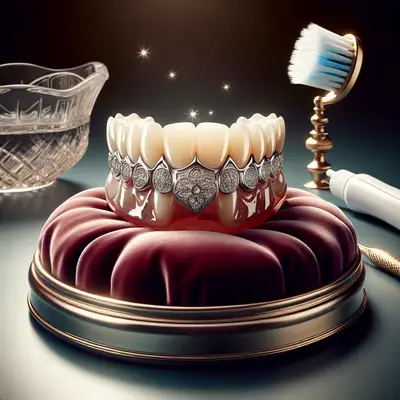
A truly refined smile is rarely accidental. For denture wearers, elegance lies in the quiet details—those subtle, thoughtful practices that transform prosthetic teeth from “good enough” to virtually indistinguishable from a natural, well‑kept smile. Beyond basic cleaning and routine checkups, there are elevated strategies that preserve comfort, aesthetics, and confidence over the long term.
This guide reveals five exclusive, under‑discussed insights that discerning denture wearers can use to curate a more polished, seamless experience every day.
The Hidden Power of Precision Hydration
Most people know that dentures should not dry out, but few appreciate how finely tuned moisture management can influence comfort and longevity. A dry denture can warp, while a perpetually waterlogged one—especially if stored in the wrong solution—can accumulate microscopic deposits that affect fit and feel. The goal is not simply to “soak” your dentures, but to hydrate them with intentional precision.
Opt for a denture‑specific soaking solution or plain water when your dentist advises against certain chemicals, and keep the denture completely submerged whenever it is out of your mouth for more than an hour. If you wear partials, consistency matters even more: remove them for specific, deliberate intervals rather than sporadically. This controlled rhythm reduces stress on the supporting teeth and tissues.
Consider creating a small, elegant nightstand ritual: a dedicated lidded glass or porcelain container, refreshed daily, placed away from direct heat and sunlight. This not only protects the prosthesis but also transforms an ordinary habit into a quietly luxurious routine. Hydration, consciously curated, helps maintain density, shape, and comfort—subtleties you will feel each time you speak or smile.
Quiet Adjustments: Micro‑Fit Refinements Over Major Overhauls
Many denture wearers wait until their prosthesis feels significantly loose, painful, or unstable before seeking an adjustment. By that point, the solution can require more extensive intervention. A more refined approach embraces the concept of “micro‑fit refinements”—small, timely adjustments that protect both comfort and underlying oral structures.
Each month, consciously evaluate how your dentures feel during three key moments: the first bite of a meal, prolonged conversation, and gentle smiling or laughing. Any new clicking sounds, subtle rubbing, or feeling of instability—especially at the end of the day—signal that your tissues or bone may have shifted slightly. These minor changes are normal, particularly in the first year, but addressing them early with your dentist helps prevent sore spots, gum irritation, and uneven pressure on the jaw.
Rather than relying heavily on adhesive to “mask” a declining fit, view adhesive as a finishing touch on an already balanced foundation. When you notice you’re using more adhesive than usual or reapplying midday, consider that your denture may be requesting a professional adjustment. This habit of quiet, early intervention preserves the sleek, secure feel that restores true confidence.
Curating a Gentle Diet Strategy Without Sacrificing Sophistication
Refinement in denture care extends well beyond cleaning—it includes how you design your daily menu. You need not retreat to a lifetime of soft, uninspired foods, but a well‑considered dietary strategy can dramatically influence long‑term comfort and oral health. The key is to enjoy texture thoughtfully, rather than aggressively.
Anchor your meals around foods that are naturally denture‑friendly yet still elegant: slow‑roasted vegetables, tender fish, braised meats, risottos, and composed salads with finely chopped components. When you choose crunch—such as crusty bread or fresh apples—introduce it in controlled, smaller pieces, and avoid biting directly with the front teeth whenever possible. Instead, cut foods into manageable bites and use your back teeth to distribute pressure more evenly across the denture.
Temperature contrast also matters. Extremely hot foods can make denture materials expand slightly, and very cold foods can alter your perception of fit and stability. Aim for moderate temperatures, especially with new dentures, until you learn how your prosthesis responds. By approaching meals as a carefully curated experience rather than a test of your dentures’ endurance, you preserve both your prosthesis and your enjoyment.
Subtle Soft‑Tissue Conditioning: Caring for the Mouth Beneath the Denture
The most sophisticated denture routines pay as much attention to the underlying gums and oral tissues as to the prosthesis itself. Dentures rest on living structures that evolve over time; nurturing those tissues is essential to maintaining a comfortable, stable foundation.
After removing your dentures, gently massage your gums with a soft, clean finger or a soft‑bristled toothbrush. Use small, circular motions across the ridges and the palate, if your denture covers it. This improves circulation, reduces minor swelling, and helps keep tissues more resilient. For many, this two‑minute ritual becomes a calming nightly reset, signaling both physical and mental unwinding.
Incorporating an alcohol‑free antimicrobial mouthrinse, when recommended by your dentist, can assist in reducing bacterial load and keeping breath fresher—particularly beneficial if you wear your dentures for extended periods during the day. If you notice persistent redness, white patches, or burning sensations, avoid the temptation to simply “push through” discomfort. These quiet shifts can indicate issues like denture stomatitis or fungal overgrowth, which are far easier to address early. The refined approach is proactive, not reactive.
Long‑View Elegance: Planning the Lifespan and Evolution of Your Dentures
A premium denture experience recognizes that these devices are not static; they are part of an evolving oral story. Bone resorption, subtle facial changes, and wear on the prosthetic teeth will gradually alter how your dentures function and how your smile presents to the world. Embracing a long‑view strategy helps ensure your prosthesis remains aligned with your aesthetic and functional expectations.
Work with your dentist to establish a timeline, not just for routine checkups, but for key milestones: anticipated relines, assessments of bite changes, and eventual replacement. This might take the form of a three‑, five‑, and ten‑year vision, updated as needed. Viewed this way, dentures become less of a “fixed object” and more of a curated investment, refined over time to match changes in your face, lifestyle, and preferences.
Equally important is how you track subtle shifts. Periodically review older photos of yourself from different angles—smiling, speaking, and at rest. Do you notice that your face appears slightly more collapsed, or your lips less supported? These quiet visual cues often precede functional concerns like jaw fatigue or changes in speech clarity. An elegant denture plan doesn’t wait for major problems; it evolves gracefully, in sync with you.
Conclusion
A polished denture experience is built on a series of thoughtful, almost invisible choices: meticulous hydration, timely micro‑adjustments, curated eating habits, attentive soft‑tissue care, and long‑range planning. None of these practices are dramatic, yet together they transform dentures from a mere prosthetic into a seamlessly integrated part of your daily life.
When you treat your dentures—and the oral structures beneath them—with the same discernment you give to fine tailoring or skincare, you gain more than a functional smile. You cultivate a quiet assurance: the knowledge that your prosthetic smile is maintained with intention, expertise, and enduring elegance.
Sources
- American College of Prosthodontists – Dentures Overview - Professional information on types of dentures, fit, and maintenance recommendations from prosthodontic specialists
- Mayo Clinic – Dentures: Common Concerns and Care - Covers what to expect with dentures, including adaptation, care basics, and when to seek adjustments
- Cleveland Clinic – Dentures: Uses, Types, and Care - Provides detailed guidance on denture wear, cleaning, storage, and long-term considerations
- Colgate Oral Care Center – Denture Care & Maintenance - Practical insights into cleaning routines, adhesives, and gum care for denture wearers
- National Institute of Dental and Craniofacial Research (NIDCR) – Oral Health for Older Adults - Discusses oral health changes with age, including tooth loss, prosthetics, and soft‑tissue considerations
Key Takeaway
The most important thing to remember from this article is that this information can change how you think about Denture Care.