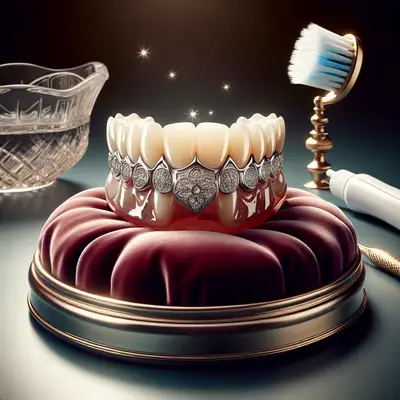
A beautifully maintained denture should feel less like a medical device and more like a seamless extension of your natural elegance. Beyond the standard advice of nightly soaking and daily brushing, there is a quieter world of refined details and subtle adjustments that separates a merely functional denture from one that looks, feels, and performs at a truly elevated level. This is the terrain of connoisseurs: people who expect their smile to be as composed and polished as the rest of their lives.
Below, you’ll find five exclusive, under‑discussed insights that sophisticated denture wearers quietly rely on to preserve comfort, confidence, and a sense of everyday luxury.
1. Precision Fit as a Lifestyle Choice, Not a One‑Time Event
Most people think of denture fitting as a single milestone—an appointment, a delivery, a “finished” product. In reality, the most effortless dentures are the result of an ongoing, almost bespoke process.
Over time, your jawbone and gums subtly change shape, particularly if teeth have been missing for several years. These changes are usually gradual enough that you may not immediately notice, but they can lead to micro-instabilities: a faint clicking when you speak, a tiny shift when you bite into something firmer, or a slight tenderness at the end of the day. Rather than living with these irritations, discerning wearers treat fit as something to curate over months and years.
Scheduling periodic “comfort consultations” with your dentist—sometimes as brief as a quick adjustment—allows for tiny refinements in bite, pressure points, and border extensions along the cheeks and palate. Think of it as tailoring the drape of a fine suit: the garment may be excellent on delivery, but strategic alterations over time are what make it feel truly customized. This quiet commitment to incremental perfection yields a denture that remains stable, graceful, and almost forgettable in daily life.
2. Mastering Saliva Balance for a Truly Natural Mouthfeel
One of the most overlooked aspects of denture comfort is saliva. Too little, and the denture can feel abrasive and unstable; too much, and it can feel slippery or trigger a self-conscious awareness of swallowing during conversations. The most comfortable denture wearers understand that saliva management is as important as the denture itself.
Certain medications, dehydration, and even anxiety can reduce salivary flow, leading to dryness and soreness beneath the base. A premium approach involves addressing both environment and habit. Hydrating consistently throughout the day—especially water at moderate temperatures—helps maintain a supple oral environment. Sugar-free lozenges or xylitol mints may encourage natural saliva without constantly resorting to sweetened drinks.
For those with persistent dry mouth, your clinician may recommend specialized saliva substitutes or gels designed for oral comfort. Used sparingly and strategically (for instance, before a long meeting or social event), they can create a silky interface between your denture and tissues, enhancing both stability and ease. Monitoring and fine-tuning saliva balance is a subtle art, but once optimized, the denture begins to feel less like a foreign object and more like a natural part of your mouth.
3. The “Silent Chew” Technique for Polished Dining Experiences
Elegant denture wearers know that how you chew can be just as important as what you chew. The goal is simple: enjoy a sophisticated, varied diet without drawing the slightest attention to your dentures. Achieving this involves refining what might be called a “silent chew” technique.
Instead of biting with the front teeth alone—which can tip or dislodge a denture—discerning wearers learn to distribute pressure across both sides of the mouth simultaneously. This bilateral chewing stabilizes the denture base and minimizes movement. For firmer foods, they cut smaller portions and take an extra moment to position the bite where the dentures feel most secure, generally over the back teeth where support is greatest.
They also develop a subtle rhythm: slower initial bites to test resistance, followed by more decisive chewing once they feel how the food responds. This approach not only enhances control but also reduces the risk of soreness or minor abrasions on the gums. Over time, this “silent chew” becomes second nature—allowing you to navigate steak dinners, crusty bread, or crisp salads with apparent nonchalance, preserving both dignity and enjoyment at the table.
4. Discreet Freshness Rituals Beyond Toothpaste and Tablets
Many denture wearers rely on a single cleaning routine, typically: brush, soak, rinse. Yet those who prioritize refinement recognize that genuine freshness is multi-layered—part hygiene, part discretion, part sensory experience.
First, they treat the gums, tongue, and palate with as much care as the denture itself. A soft brush or specialized tongue cleaner, used gently on the tissues after removing the denture, removes the biofilm that can contribute to odors and irritation. This keeps the mouth environment clean and receptive, not just the prosthetic.
Second, they choose their products with the discernment they might apply to skincare or fragrance. Alcohol-free, mild mouthrinses help prevent dryness and preserve the delicate balance of the oral tissues. Some opt for unflavored or lightly flavored options to avoid artificial aftertastes that can make food and beverages seem altered. A slim, travel-sized kit—containing a compact brush, a small denture case, and discreet cleaning wipes or foam—can quietly accompany them throughout the day, ready for a quick refresh between engagements.
The result is layered confidence: the security of impeccable cleanliness, paired with the understated reassurance that close conversations, spontaneous meetings, or shared meals will never be overshadowed by concerns about breath or residue.
5. Subtle Communication With Your Dentist: Designing a Smile That Matches Your Presence
The most refined denture wearers do not simply accept whatever smile appears in the mirror after fabrication; they curate it. This is less about vanity and more about coherence—ensuring that tooth shape, color, and arrangement harmonize with your overall presence, from your facial structure to your personal style.
This begins with language. Instead of asking for “white teeth,” sophisticated patients discuss character: a soft translucency at the edges, a gentle gradation in color from gumline to tip, or slight, natural variations between individual teeth. They may bring an old photograph showcasing their original smile, or reference a stage in life when they felt most like themselves. These reference points help your clinician and dental technician translate your preferences into a prosthesis that feels authentically “you,” not generically cosmetic.
During try-ins, they pay close attention to how the teeth support the lips, how much tooth shows at rest, and how the smile appears in different lighting. They are unafraid to request nuanced adjustments—slightly shortening or lengthening certain teeth, softening overly sharp corners, or choosing a shade that complements their skin tone rather than simply aiming for maximum brightness. This collaborative refinement ensures the final result is a smile that doesn’t shout “dentures,” but quietly communicates poise, experience, and self-assurance.
Conclusion
Living with dentures at a premium standard is less about rigid rules and more about a cultivated awareness: of fit as an ongoing relationship, of saliva and chewing as sophisticated skills, of freshness as a layered ritual, and of aesthetics as a dialogue between you and your clinician. When these elements are tended to with intention, your denture ceases to feel like a compromise and instead becomes an instrument of quiet confidence—something that supports your life, your interactions, and your presence with understated grace.
By adopting even a few of these exclusive insights, you elevate your denture experience from merely acceptable to genuinely exceptional—where your smile doesn’t just function; it speaks of refinement.
Sources
- American College of Prosthodontists – Dentures Overview – Clinical overview of complete and partial dentures, fit, and maintenance considerations.
- Mayo Clinic – Dentures: What to Expect – Explains the adjustment process, common challenges, and follow-up care expectations.
- National Institute of Dental and Craniofacial Research (NIDCR) – Dry Mouth – Detailed information on causes, symptoms, and management of reduced salivary flow, highly relevant to denture comfort.
- Cleveland Clinic – Dentures: Types, Care and Adjustments – Guidance on ongoing fit adjustments, daily care, and what patients should discuss with their dentist.
- American Dental Association – Cleaning Your Dentures – Best-practice recommendations for denture hygiene and maintaining oral tissues under the prosthesis.
Key Takeaway
The most important thing to remember from this article is that this information can change how you think about Denture Care.