A well-crafted denture is no longer a mere replacement for missing teeth; it is a curated object of daily luxury, a private instrument of confidence that only you fully understand. Today’s prosthetics marry biomechanics, aesthetics, and subtle engineering in ways that were unthinkable a generation ago. Yet from the outside, most conversations still reduce dentures to “partials” and “full sets,” overlooking the refined distinctions that matter most to an experienced wearer.
This guide steps beyond the usual definitions to examine modern denture types through a more sophisticated lens—fit, materials, design philosophy, and the lived experience of wearing them. Along the way, you’ll find five exclusive, under-discussed insights that seasoned denture wearers, in particular, tend to appreciate.
Understanding the Modern Denture Landscape
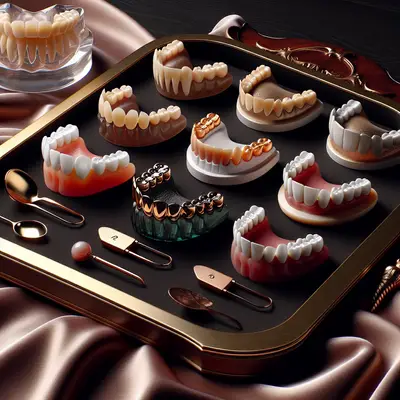
The term “denture” now covers a remarkably broad spectrum of devices, from traditional removable plates to digitally designed, implant-anchored prosthetics with custom gum shading and layered translucency. At the most basic level, you’ll encounter three major categories in contemporary practice:
- Conventional full dentures that replace all teeth in an arch and rest on the gums
- Partial dentures that fill specific gaps and attach to remaining teeth or implants
- Implant-supported or implant-retained dentures, which anchor to titanium posts within the jaw
Within each of these categories lies a quiet world of refinement: high-impact acrylics versus conventional acrylic, injection-molded bases versus hand-packed ones, metal frameworks versus flexible thermoplastics, and monolithic versus layered teeth. The “type” of denture you choose is no longer just about coverage—it’s about the performance profile you want: stability, discretion, gum health, speech precision, or maximum removability.
When viewed this way, the question shifts from “Which denture do I need?” to “Which combination of design choices best suits the way I live, eat, socialize, and age?”
From Plates to Platforms: How Denture Types Reflect Your Lifestyle
Beyond the clinical labels, dentures can be thought of as “platforms” that support a particular way of living. Two individuals with identical oral conditions may require very different prosthetic strategies because their expectations are so distinct.
Those who travel frequently, for example, may prioritize resilience and simplicity—a durable acrylic full denture that can be cleaned easily anywhere in the world, paired with a discreet travel kit and a second backup set. Others may value uncompromising stability above all, leaning toward implant-supported overdentures or fixed implant bridges that behave much like natural teeth, with minimal movement even in demanding social or professional settings.
Even within partial dentures, there is a spectrum. A classic cobalt-chromium framework offers excellent strength and refined fit, appealing to someone who prioritizes long-term reliability. A flexible partial, by contrast, may suit a wearer who values esthetics above all and wants clasps that blend naturally with gum tissue.
In this context, choosing a denture “type” becomes less of a binary decision and more of a deliberate alignment between prosthetic design and the nuances of your day-to-day rituals—how you dine, speak, laugh, and care for your smile.
The Palette of Materials: Acrylic, Metal, Flexible & Hybrid Designs
Material selection is one of the most underestimated variables when reviewing denture types. While most people hear only “acrylic” and “metal,” the reality is finer-grained.
Acrylic dentures remain the workhorse of prosthetic dentistry. Contemporary high-impact acrylics are more fracture-resistant and allow for sophisticated layering of gum tones and tooth shades. For full dentures, they offer a pleasing blend of adjustability, comfort, and esthetics, especially when crafted with modern digital workflows.
Metal-based partial dentures, often crafted from cobalt-chromium, introduce a sense of structural confidence and slim-line precision that many experienced wearers come to value. Because the metal framework can be thinner and more rigid, the palate or lingual bar often feels less bulky, which can enhance speech and overall comfort.
Flexible dentures, typically made from thermoplastic materials such as nylon, present a different proposition altogether. They excel at disguising clasps due to their gum-colored, translucent qualities and can adapt more gently to undercuts and irregularities. However, they demand a practitioner familiar with their specific strengths and limitations, including polishing, adjustments, and long-term maintenance.
Hybrid options—such as metal frameworks with acrylic overlays, or acrylic full dentures stabilized by mini implants—further blur the boundaries between categories. Understanding these material choices allows you to see denture types not as fixed boxes but as design stories, each with its own performance narrative.
The Architecture of Support: Conventional vs. Implant-Enhanced Options
Support is the quiet architecture beneath every denture type, influencing how secure, natural, and trustworthy your prosthesis feels in daily life.
Conventional full dentures depend on a combination of close adaptation to the gums, saliva’s surface tension, and muscular training. For some wearers—especially in the lower jaw where bone loss is more pronounced—this can mean a learning curve and occasional reliance on adhesive to achieve the desired sense of security.
This is where implant-retained and implant-supported dentures redefine the category. In an implant-retained overdenture, the denture remains removable but connects to implants via attachments (such as locator abutments or bars), which dramatically enhance stability. For those wanting a more “fixed” experience, implant-supported bridges may be screwed onto implants and removed only by the dentist for maintenance.
These implant-enhanced denture types introduce a different quality of daily life: less movement during chewing, fewer worries about slippage while speaking, and, often, a renewed willingness to enjoy foods previously avoided. They also help preserve bone, subtly maintaining facial structure over time.
Yet even within implant-based solutions, there are meaningful nuances: the number of implants, the type of attachment, the choice between monolithic and layered prosthetic teeth, and whether the palate can be left free. Seen through this lens, denture types are not just about “removable vs. fixed,” but about calibrating the exact degree of stability and freedom you desire.
Five Exclusive Insights Seasoned Denture Wearers Quietly Rely On
Beneath the usual clinical explanations, experienced denture wearers often discover truths about different denture types that are rarely mentioned in casual conversations. These five insights can help you see your options with a more refined eye.
1. The “Second Set Strategy” Changes Your Risk Profile
Many people assume that one denture per arch is sufficient. Seasoned wearers, especially those with conventional full dentures, often invest in a second, backup set once they are satisfied with the fit.
This is less about extravagance and more about risk management. A fracture on the eve of a major event, travel, or business engagement can be profoundly disruptive. With a second, well-fitted prosthesis, emergencies become inconveniences rather than crises. This practice is particularly valuable for those wearing traditional acrylic full dentures or partials with delicate clasps.
2. Subtle Tooth Shape and Texture Influence How “Real” You Feel
Discussion of denture types often centers on color and alignment, but tooth morphology—shape, size, and surface texture—may influence your sense of self more than you expect. High-end prosthetic teeth are available in different anatomical styles: youthful with pronounced texture, or more mature with softer contours.
Experienced wearers frequently discover that a slightly imperfect, individualized tooth arrangement and micro-texturing along the incisal edges look more convincing than a perfectly uniform “textbook” smile. When exploring denture types, ask about the libraries or brands of teeth used and whether your clinician can customize the arrangement to reflect your natural character.
3. The Palate Question Is About More Than Comfort
For upper dentures, whether the palate is covered or left open is a major experiential difference. Conventional full upper dentures typically cover the palate to enhance suction and stability. Implant-supported or implant-retained designs can often be crafted with an open palate, dramatically changing how you perceive taste, temperature, and texture.
Seasoned wearers frequently describe an open-palate prosthesis as feeling more “authentic” and less obtrusive, particularly when speaking or savoring complex foods. When considering implant-based denture types, discuss whether your case allows for a palateless design—this single choice can transform the experience of wearing an upper prosthesis.
4. Different Denture Types Age in Different Ways
Denture types do not age uniformly. Flexible partials may retain comfort but can become more difficult to reline or adjust over time. Acrylic dentures can absorb stains and undergo slight dimensional changes but are relatively straightforward to rebase or reline. Metal framework partials tend to maintain structural integrity for many years, with acrylic areas being more easily refreshed.
Seasoned wearers often choose a design not only for how it feels on day one, but for how gracefully it can be maintained and refreshed over the coming decade. Asking your dentist how each proposed denture type is likely to age—what can be repaired, what must be replaced, and at what interval—gives you a more realistic long-term picture.
5. “Mixed-Modality” Solutions Can Be Quietly Powerful
Denture discussions are often framed as all-or-nothing decisions: full conventional dentures versus full implant-supported arches. In real life, many sophisticated cases use mixed modalities: an implant-retained overdenture in the lower jaw, for example, paired with a meticulously crafted conventional upper denture; or a metal-based partial on one arch and a flexible partial on the other.
This tailored blending lets you allocate investment where it will deliver the greatest improvement in daily comfort and confidence. Seasoned wearers frequently work with their clinicians to prioritize the arch that causes the most difficulty—often the lower—and then complement it with a more conservative solution on the opposite arch. The result is a balanced, pragmatic elegance, both functionally and financially.
Choosing with Intention: Questions to Elevate Your Next Consultation
When evaluating denture types, elevating the conversation beyond “full vs. partial” can lead to a more satisfying outcome. Consider asking your dental professional:
- How will this denture type feel and function five years from now, not just at delivery?
- What are the material options, and how do they differ in strength, refinement, and maintenance?
- Can we review examples of tooth shapes and arrangements that reflect my age, facial structure, and personal style?
- If implants are part of the plan, what are the palate and cleaning implications?
- Would a second set or a staged, mixed-modality approach offer meaningful advantages in my case?
Framing your choices in this way places you in the role of curator, not just patient. Instead of passively receiving a generic solution, you collaborate in designing a prosthesis that supports the quiet rituals of your life—dining, speaking, smiling, and caring for your oral health—with understated assurance.
Conclusion
Modern denture types are no longer interchangeable substitutes for natural teeth; they are finely tuned instruments of comfort, aesthetics, and self-possession. Whether you opt for a classic acrylic full denture, a minimalist metal partial, a flexible design, or an implant-supported hybrid, the real luxury lies in alignment—the alignment between your prosthesis and the unique way you move through the world.
By appreciating the nuances of materials, support systems, tooth design, and long-term maintenance, you can choose a denture type that does more than restore your smile. It can become a quietly elegant companion to your daily life, reinforcing not just how you look, but how confidently you inhabit every room you enter.
Sources
- American College of Prosthodontists – Complete Dentures – Overview of complete denture types, indications, and expectations
- Mayo Clinic – Dentures: Options, Adjustments & Care – General explanation of denture options and what affects fit and function
- National Institute of Dental and Craniofacial Research (NIDCR) – Background on tooth loss and treatment approaches including prosthetic replacement
- Cleveland Clinic – Dental Implants and Implant-Supported Dentures – Detailed discussion of implant-retained and implant-supported solutions
- University of Michigan School of Dentistry – Removable Partial Dentures – Information on partial denture design, materials, and indications
Key Takeaway
The most important thing to remember from this article is that this information can change how you think about Denture Types.