Choosing dentures is no longer a blunt, one‑size‑fits‑all decision. For discerning wearers, it is an exercise in nuance: material, design, bite dynamics, gum aesthetics, and lifestyle must all harmonize to create a prosthetic that feels less like a device and more like an extension of self. This guide explores modern denture types through a refined lens—and reveals five exclusive, under‑discussed insights that sophisticated wearers quietly rely on.
Understanding the Modern Denture Landscape
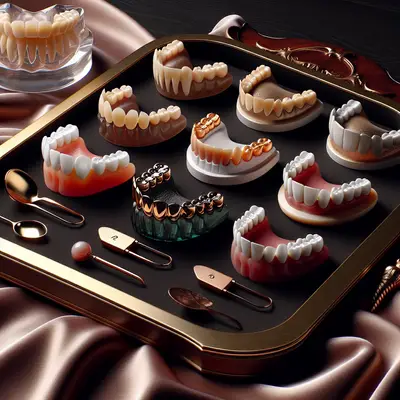
Today’s denture options extend far beyond the classic pink acrylic plate. At the broadest level, they divide into complete dentures (for those missing all teeth in an arch) and partial dentures (for those preserving some natural teeth). From there, the landscape splinters into carefully engineered variations: traditional acrylic plates, flexible resin frameworks, precision metal‑based partials, and implant‑supported designs that anchor to titanium fixtures in the jaw.
What truly differentiates these types is not only their appearance, but how convincingly they mimic natural chewing, how they interact with delicate oral tissues, and how gracefully they age over the years. Premium prosthetics are designed with meticulous attention to bite alignment, lip support, speech clarity, and facial symmetry. For the wearer, the right choice is less about a label—“partial,” “implant,” “flexible”—and more about how each design integrates with their anatomy, public presence, and long‑term oral health.
Classic Acrylic Complete Dentures: Tradition, Refined
Acrylic complete dentures remain the most widely recognized option and, when crafted with care, can be quietly elegant. They rest directly on the gums and underlying bone, relying on precise fit, saliva, and sometimes denture adhesive to stay in place. Their greatest strength lies in customizability: tooth shade, shape, and gingival contours can be fine‑tuned to match facial characteristics, age, and personal style.
High‑end acrylic dentures are less about a “dentures look” and more about subtle realism. Skilled clinicians and lab technicians collaborate on tooth positioning to restore the natural curve of the smile, maintain proper lip fullness, and support the lower third of the face. The trade‑off is that bone beneath the denture tends to resorb over time, gradually changing the fit. For those choosing this route, the sophistication is in the maintenance—planned relines, periodic bite adjustments, and discreet refinements that keep the prosthetic performing and appearing elevated year after year.
Precision Partial Dentures: Discreet Complements to Natural Teeth
For individuals retaining some natural teeth, partial dentures can be an elegant bridge between dentistry and design. Traditional versions employ a metal framework (often cobalt‑chromium) with well‑placed clasps that anchor around existing teeth. While metal might sound conspicuous, refined designs tuck components strategically behind the smile line, preserving a natural front‑of‑mouth appearance.
Modern partials can integrate gum‑colored attachments, tooth‑colored clasps, and precision connectors that “lock” into crowns or small undercuts, avoiding visible metal in social settings. The best partials respect the remaining teeth, distributing chewing forces in a way that protects them instead of overloading them. When crafted thoughtfully, a partial does more than fill gaps; it preserves the architectural integrity of your bite and posture of your jaw, warding off asymmetrical wear and premature aging of the smile.
Flexible and Hybrid Designs: Comfort with Visual Subtlety
Flexible dentures, typically made from nylon‑based resins, appeal to those prioritizing comfort and visual discretion. These lightweight prosthetics gently hug the gums and can use translucent, gum‑toned “wings” to grip around natural teeth instead of metal clasps. For certain patients with sensitive tissues, shallow palates, or metal allergies, this can be a sophisticated alternative.
However, a premium experience with flexible prosthetics requires realism. While they are often more forgiving to wear, they are not universally appropriate. They can be more challenging to adjust, and in some cases, their flexibility may transmit less stable force during chewing. The most refined solutions are often hybrid: combining a rigid core for structural integrity with flexible clasping elements for comfort and aesthetics. A discerning clinician will evaluate your bone levels, bite pattern, and gum resilience before recommending these, ensuring the allure of comfort does not compromise function.
Implant‑Supported Dentures: A Quietly Secure Foundation
Implant‑supported dentures represent the most structurally advanced category, offering a level of stability that traditional options struggle to match. Here, titanium implants are placed into the jawbone and allowed to integrate, forming a stable foundation. A denture is then fabricated to either “snap” onto small attachments (implant‑retained) or be fixed in place with screws (implant‑supported full‑arch prosthesis).
The result is a prosthetic that doesn’t simply sit on the gums—it partners with the bone, preserving facial contours and supporting a more natural chewing motion. Palate‑free designs can restore the nuance of taste and temperature, while reduced movement minimizes the fear of slipping during conversation or dining in fine company. A premium approach considers implant placement as part of a broader aesthetic plan: tooth length, smile line, and gum contours are all orchestrated in advance so that the final prosthesis looks purposeful, not improvised.
Five Exclusive Insights Discerning Denture Wearers Quietly Rely On
Beyond the basic comparisons of “full vs. partial” or “traditional vs. implant,” there are nuances that experienced denture wearers learn—often the hard way. These five insights can elevate your experience from merely functional to genuinely refined.
1. The “Bite Signature” Matters More Than the Material
While conversations often focus on acrylic versus flexible versus ceramic teeth, seasoned wearers know that how the upper and lower teeth meet—the occlusion or “bite signature”—is what determines daily comfort. A premium denture is designed so that your jaws close into a stable, balanced position, with carefully shaped cusps (the chewing points of teeth) that glide past one another instead of colliding.
This balance reduces muscle fatigue, jaw joint strain, and the micro‑movement that leads to sore spots. Subtle adjustments to the bite over time—sometimes a few minutes in the chair—can transform a denture from “tolerable” to “effortless.” Sophisticated wearers schedule these fine‑tuning appointments proactively, particularly after relines or any noticeable change in chewing comfort.
2. Gum Aesthetics Are a Deliberate Design Choice
Many assume the teeth are the primary aesthetic element, but advanced denture fabrication treats the artificial gums with equal reverence. High‑end prosthetics incorporate layered shades in the pink acrylic to mimic natural gum tones, tiny variations, and even the subtle translucency seen at the edge of healthy tissue.
This gum design frames the teeth and dictates whether the smile appears “flat” or naturally contoured. Attention to the scallop of the gum line, the slight irregularity between teeth, and the junction where gum meets cheek can create an illusion so refined that even close observers struggle to identify the prosthetic. Experienced wearers ask to review gum shade guides and wax try‑ins from multiple angles—not just a quick glance in the mirror.
3. Your Facial Profile Is Part of the Prescription
An exceptional denture does not just restore teeth; it optimizes facial structure. Loss of natural teeth and bone can flatten the midface, deepen lines around the mouth, and shorten the distance between nose and chin. The most sophisticated designs use tooth length, vertical dimension (the height between upper and lower jaws), and subtle lip support to gently restore youthful balance—without creating an overfilled or artificial appearance.
Discerning wearers involve their clinician in a conversation about profile photographs, head posture, and even how their face appears in social and professional settings. Adjustments of less than a millimeter in tooth position can soften harsh angles, improve lip posture, and refine the silhouette of the jawline. This is where dentistry intersects with aesthetics and should never be rushed.
4. The First Set is a Prototype, Not the Final Statement
Many new denture wearers feel pressured to achieve perfection with their first set. Experienced wearers recognize that the inaugural prosthesis is often a sophisticated prototype—a starting point from which preferences, chewing patterns, and aesthetic nuances are discovered. Over the first year, bone reshapes, speech adapts, and lifestyle patterns become clearer.
A premium treatment plan anticipates this evolution. After the initial period, a “definitive” set may be designed, leveraging everything learned: preferred tooth shape, precise shade, refined gum contours, and optimized bite. Thinking in terms of a phased journey rather than a single, ultimate device allows for elevated results and reduces disappointment during the adaptation period.
5. Maintenance is a Curated Ritual, Not a Chore
Those who enjoy long‑lasting, elegant dentures treat maintenance as a curated ritual rather than an inconvenience. This goes beyond basic cleaning. It includes using non‑abrasive cleansers that preserve the micro‑polish of the acrylic, storing dentures correctly to prevent warping, and scheduling professional cleanings to remove microscopic buildup that dulls the luster of the teeth and gums.
Refined wearers are also attentive to the health of the underlying tissues. They periodically rest their gums, monitor for pressure spots or redness, and use soft brushes or gauze to massage the ridges, encouraging circulation. By framing maintenance as a deliberate act of self‑care—akin to caring for fine eyewear or a tailored garment—the prosthetic retains both its function and its quiet luxury over time.
Choosing the Right Denture Type for Your Lifestyle
Selecting a denture type is best approached as a collaboration between your clinical needs and your personal standards for comfort, appearance, and social ease. Acrylic full dentures may be appropriate for those seeking a classic, customizable solution. Precision partials suit individuals looking to complement and protect remaining natural teeth. Flexible or hybrid designs can benefit patients with unique anatomical or comfort considerations, while implant‑supported dentures appeal to those prioritizing stability and bone preservation.
Beyond the label, the highest standard is a prosthetic that feels compatible with your life—whether you host formal dinners, travel frequently, enjoy performance‑level speaking, or simply value quiet confidence in every interaction. Working with a clinician who appreciates both the science and the art of prosthetic dentistry is essential. The right partnership will not only match you with an appropriate denture type, but will also guide you through the subtle refinements that transform a device into a dignified extension of who you are.
Conclusion
Modern denture types offer a spectrum of possibilities, from traditional acrylic designs to meticulously engineered implant‑supported prosthetics. Yet the most distinguished experiences arise not from the category alone, but from nuanced decisions: bite design, gum aesthetics, facial balance, phased planning, and curated maintenance. When these elements are considered with intention, dentures cease to be a compromise and become an investment in presence, comfort, and enduring self‑assurance. For the discerning wearer, the true luxury lies in a prosthetic so thoughtfully tailored that it quietly disappears—allowing your life, not your dentures, to take center stage.
Sources
- Mayo Clinic – Dentures: Options, Procedure & Care – Overview of common denture types, indications, and general care recommendations
- American College of Prosthodontists – Types of Dentures – Professional explanations of complete, partial, and implant‑supported dentures
- Cleveland Clinic – Implant-Supported Dentures – Detailed discussion of dental implants and their role in stabilizing dentures
- National Institute of Dental and Craniofacial Research (NIDCR) – Evidence‑based information on tooth replacement options, including dentures
- University of Michigan School of Dentistry – Complete Denture Prosthodontics – Academic perspective on design, function, and fabrication of complete dentures
Key Takeaway
The most important thing to remember from this article is that this information can change how you think about Denture Types.