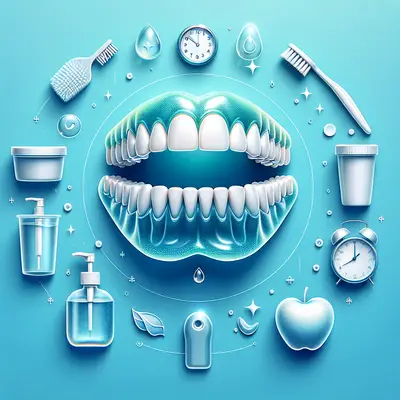
Living with dentures today is less about “managing a prosthesis” and more about quietly curating a personal standard of comfort, appearance, and ease. The most satisfied denture wearers are not doing more; they are doing a few specific things better—fine‑tuning fit, care, and daily rituals in ways that feel intentional rather than clinical. This is denture care as an extension of your broader standards: discreet, informed, and impeccably maintained.
Below are five exclusive, often overlooked insights that elevate denture wear from merely functional to genuinely refined.
The Elegance of Fit: Why Micro‑Adjustments Matter More Than Major Overhauls
With dentures, “fit” is not a single moment at the dentist’s chair—it is a living relationship between bone, soft tissue, and acrylic that evolves over time.
Even the most beautifully crafted dentures will need periodic refinements as the jawbone reshapes and gums subtly change. Rather than waiting for obvious discomfort, pressure spots, or sore areas, sophisticated wearers schedule proactive micro‑adjustments: quiet, brief appointments focused on polishing a pressure point here, soft‑lining a sensitive area there, or refining the bite so that chewing feels balanced rather than effortful.
These nuanced tweaks can:
- Prevent friction sores before they appear
- Preserve facial support as bone slowly remodels
- Reduce the need for excessive denture adhesive
- Maintain a stable, “unremarkable” feel—so your dentures don’t dominate your awareness throughout the day
Think of it less as “repair” and more as precision tailoring. The most comfortable dentures are rarely untouched; they are subtly tuned at regular intervals by a clinician who understands that comfort and aesthetics are inseparable.
The Texture of Clean: Moving Beyond “Just Brushing” to Surface Preservation
Many denture wearers clean their prosthesis diligently, yet unintentionally shorten its aesthetic lifespan through harsh techniques. The goal is not only cleanliness but the preservation of texture, shine, and microscopic smoothness.
A refined cleaning routine pays attention to:
- Tool choice: A soft denture brush or ultra‑soft toothbrush minimizes surface scratching. Hard bristles can create invisible grooves where stains and bacteria gather, dulling the appearance over time.
- Water temperature: Very hot water risks warping the acrylic and compromising fit; cool to lukewarm water is sufficient and safer.
- Cleanser pH and abrasiveness: Regular toothpaste is often too abrasive for dentures. A non‑abrasive denture cleanser—ideally recommended by your dentist—protects the material’s integrity and polish.
- Rinse precision: Thoroughly rinsing away cleansing agents reduces the risk of leaving residues that can irritate tissues or alter taste perception.
The result is a prosthesis that does more than look clean; it maintains a refined finish, resists odor, and feels luxuriously smooth against the tongue and cheeks.
The Night Routine: Transforming Soaking from Habit to High-Performance Care
Soaking dentures overnight is often treated as a checkbox task: drop them in a solution and forget them. Elevated care turns this into a purposeful, high‑performance ritual.
Three subtle refinements make a noticeable difference:
Dedicated container hygiene
The soaking cup should be cleaned as attentively as fine glassware. Biofilm can accumulate on its surfaces and then transfer back onto the dentures. A quick daily wash and periodic disinfecting of the container keeps the environment as pristine as the prosthesis.
Strategic soaking solution
An effervescent, antimicrobial denture tablet or a professionally recommended solution can help reduce biofilm, odor, and staining more effectively than plain water, while being gentle on materials. Choosing reputable brands—ideally those backed by clinical data—can enhance both longevity and freshness.
Gum and tissue restoration time
Removing dentures at night is not only about the prosthesis; it is a restorative break for your tissues. Gently brushing the gums, tongue, and palate with a soft brush and water or non‑alcoholic mouthrinse promotes circulation, reduces inflammation, and helps prevent denture stomatitis. Your mouth, like your skin, needs time to breathe.
Handled this way, your night routine becomes a restorative pause: your dentures are refreshed, and your oral tissues are allowed to recover, setting the stage for comfort the next day.
The Subtle Art of Eating Well: Training Your Bite, Not Just Your Diet
Early advice for new denture wearers often focuses on what not to eat. A more advanced, refined approach focuses instead on how to retrain your bite so that more foods become accessible again—discreetly and comfortably.
Key considerations include:
- Symmetry over strength
Chewing evenly on both sides distributes pressure, stabilizes the dentures, and reduces rocking. This deliberate habit can feel unnatural at first, but soon becomes intuitive, improving control and confidence.
- Texture progression
Rather than permanently avoiding certain foods, many sophisticated wearers gradually reintroduce more challenging textures in private—starting with softer, finely cut versions and working upward. This measured progression builds both muscle coordination and trust in your prosthesis.
- Mindful first bites
Biting directly into very hard or sticky foods with front teeth can destabilize dentures. Instead, cutting food into manageable pieces and positioning them toward the molars protects both fit and elegance of movement. This is less restriction and more etiquette: an intentional way of handling food with grace.
By treating eating as a skill to refine, not a limitation to endure, you reclaim dining as a pleasure—without drawing attention to your dentures or compromising their longevity.
Discreet Excellence: Building a Private “Denture Wardrobe” and Travel Strategy
Those who navigate life seamlessly with dentures often maintain a quiet, personal ecosystem around their prosthesis—tools, backups, and contingencies that ensure composure in any setting.
Consider curating:
- A refined daily kit
A compact, understated case with a small soft brush, travel‑size cleanser or non‑alcoholic mouthrinse, and a measured amount of adhesive (if you use it) allows for discreet touch‑ups during long days, travel, or formal events.
- An at‑home care station
Keeping your denture brush, cleanser, soaking cup, and a dedicated soft towel together in a single, organized space turns care into a ritual rather than a chore. A controlled, uncluttered environment reduces the risk of dropping, warping, or misplacing the prosthesis.
- A contingency plan
Discuss with your dentist the realistic timeline for repairs and relines, and what an emergency appointment would look like if a fracture or loss occurred. For some, especially frequent travelers or public‑facing professionals, exploring the option of a carefully stored backup denture can be a meaningful investment in peace of mind.
This quiet infrastructure is rarely visible to others, yet it is what allows your outward experience—speech, smile, and presence—to remain consistently composed, no matter the circumstance.
Conclusion
Elevated denture care is not about complicated routines or clinical obsession; it is about thoughtful precision. Micro‑adjustments instead of crisis repairs, surface preservation rather than aggressive scrubbing, restorative night rituals, intentional eating, and a discreet personal “system” all contribute to a life where your dentures simply support you—beautifully, reliably, and without drama.
When approached with this level of refinement, dentures become less a reminder of loss and more a well‑designed instrument of self‑presentation: quiet, dependable, and tailored to your standards.
Sources
- American College of Prosthodontists – Complete Dentures – Overview of complete dentures, fit, and professional care recommendations
- Mayo Clinic – Dentures: How to Care for Them – Guidance on daily cleaning, soaking, and maintenance practices
- Cleveland Clinic – Dentures – Detailed information on types of dentures, adjustments, and oral tissue health
- National Institute of Dental and Craniofacial Research (NIDCR) – Oral Health in Older Adults – Context on oral health concerns and care strategies, including prosthetic considerations
- Colgate Oral Care Center – Caring for Dentures – Practical insights on cleaning tools, solutions, and handling techniques
Key Takeaway
The most important thing to remember from this article is that this information can change how you think about Denture Care.