A beautifully maintained denture does more than restore a smile—it restores a sense of poise. For those who view oral care as part of a larger personal aesthetic, denture maintenance is less about basic cleaning and more about curation: of comfort, of appearance, and of long-term integrity. This guide explores refined, detail-oriented practices that elevate day‑to‑day denture care, with a particular focus on five exclusive insights that discerning denture wearers quietly rely on.
Elevating Daily Care Beyond “Clean Enough”
Most instructions stop at “brush and soak,” but truly immaculate dentures demand a more nuanced routine. Denture materials—acrylics, resins, and metal frameworks—react differently to temperature, pH, and handling, and over time, subtle misuse can dull surfaces, distort fit, or harbor stains that no amount of scrubbing will erase.
Think of your daily care not as a chore but as a small, intentional ritual. Use lukewarm water instead of hot to protect the denture’s shape. Select a non-abrasive denture brush (or extra-soft toothbrush) and a denture-specific cleanser rather than standard toothpaste, which often contains abrasive particles. When handled thoughtfully, your denture retains its luster longer and feels more “invisible” in day‑to‑day wear.
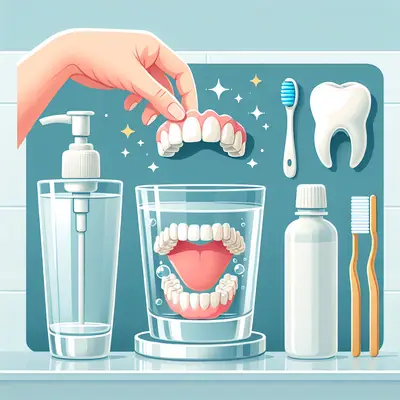
Store your denture in fresh, cool water or a recommended soaking solution whenever it is out of your mouth—never dry on a nightstand or wrapped in a tissue. Proper hydration helps maintain the material’s dimensional stability and reduces the risk of cracking, warping, or microscopic surface fatigue that can accumulate over years of use.
Exclusive Insight #1: The Two-Stage Soak Routine
Many denture wearers use a single soaking solution at night and consider the job done. A more refined approach separates “deep hygiene” from “daily refresh,” mimicking the way high-end garments are treated differently for regular airing versus full cleaning.
Stage One: Weekly Intensive Soak
Once or twice a week, use an effervescent, ADA-accepted denture cleansing tablet in lukewarm water for the full recommended time. This helps break down biofilm, protein deposits, and early calculus on the denture surface, especially in grooves and under clasps. Avoid extending the recommended soaking time excessively, as some formulations can be harsh with prolonged exposure.
Stage Two: Nightly Gentle Soak
On other nights, rest your denture in plain cool water or a mild, dentist-approved solution formulated for daily use. This protects the material from over-exposure to powerful oxidizing agents while still keeping the denture hydrated and fresh. The result is a balance between thorough cleanliness and material preservation—a thoughtful middle ground that prevents both buildup and premature wear.
Exclusive Insight #2: Precision Cleaning at the Attachment and Margin Zones
Denture wearers often pay attention to broad surfaces yet overlook the most critical microscopic zones: the attachment points, margins, and transitions where the denture meets soft tissue or natural teeth. These create sheltered niches where plaque, yeast, and food particles can quietly collect, even when the rest of the denture looks pristine.
In addition to standard brushing:
- Use an interdental brush or small, tapered proxy brush around clasp arms, bars, and precision attachments to dislodge hidden debris.
- For implant-supported overdentures, gently clean the implant abutments and attachments with super floss or an interdental brush according to your dentist’s instructions; this is essential to prevent peri‑implant inflammation.
- Pay close attention to the palatal edge and the lingual flange margins, where plaque can thicken without being obvious.
This precision cleaning can significantly reduce bad breath, oral irritation, and staining that otherwise appear “out of nowhere,” even in fastidious wearers. It also preserves the integrity of supporting teeth or implants, protecting the investment you have already made in your smile.
Exclusive Insight #3: A “Fit Audit” Ritual for Early Problem Detection
Most people wait until their denture feels obviously loose, sore, or unstable before seeking help. A more sophisticated strategy is to build a brief “fit audit” into your monthly routine—quietly checking for subtle shifts that are far easier and less costly to correct when caught early.
Once a month, in good lighting and in front of a mirror, evaluate:
- Stability while speaking: Say a few challenging phrases (“sixty-six,” “Mississippi,” “statistics”). Note any new clicking, slipping, or air escape.
- Chewing comfort: Test on both sides with a soft, uniform food (e.g., banana slices, poached chicken). Notice if one side feels different from the other.
- Tissue impressions: After wearing your denture all day, remove it and gently examine the underlying gums in the mirror. Prolonged, sharp impressions or localized redness may signal pressure points or imbalance.
- Retention check: With clean, slightly moist dentures, gently try to dislodge them using only your tongue or a light pull on the front. A significant change from previous months is a useful early warning sign.
Document anything unusual as short notes on your phone. Sharing this “fit history” at your regular dental visit gives your dentist a far richer, more precise picture and can guide delicate adjustments instead of major remakes.
Exclusive Insight #4: Mastering Saliva, Hydration, and Comfort
Denture comfort is not only about the prosthesis itself; it is deeply influenced by saliva quality and overall hydration. A refined maintenance routine accounts for this, treating the mouth as a delicate environment rather than merely a place to house the denture.
Some medications, health conditions, and even high-stress periods can reduce saliva flow, causing friction, sore spots, and increased risk of fungal overgrowth. Conversely, excessive, foamy saliva in new denture wearers can make speaking and swallowing feel awkward.
A more advanced comfort strategy includes:
- Hydration discipline: Maintain consistent water intake throughout the day, particularly in air-conditioned or heated environments that promote dryness.
- Purposeful saliva support: If dry mouth is an issue, discuss saliva substitutes or moisturizing gels with your dentist; many are specifically formulated for denture wearers. Sugar-free lozenges or xylitol gum (if safe with your prosthesis) can help stimulate natural flow.
- Targeted use of denture adhesives: When recommended by your dentist, a minimal, well-applied layer of adhesive can improve comfort and stability; however, chronic reliance on heavy adhesive can mask a poor fit that truly needs professional adjustment.
By tending to your oral environment with the same respect you give the denture itself, you cultivate a more balanced, effortless sense of wear—especially during long days of socializing, public speaking, or travel.
Exclusive Insight #5: Seasonal and Lifestyle Adjustments to Your Routine
An often-overlooked truth is that denture maintenance is not static; it should evolve with the seasons, your lifestyle, and even your menu. High-acid diets, frequent red wine or coffee consumption, and outdoor activities can subtly shift the demands placed on your denture.
Consider these seasonal and lifestyle refinements:
- Cold, dry winters: Central heating and cold air can conspire to dry oral tissues. This is an excellent time to intensify hydration, use moisturizing mouth sprays, and be particularly vigilant with overnight soaking to keep the denture from drying out.
- Summer and travel: Longer days out, more snacking, and frequent beverages may warrant a compact “denture care kit” with a travel brush, small case, and a few single-use cleanser packets or wipes. This allows discreet, proper cleaning rather than hasty rinses in public restrooms.
- Stain-conscious dining: If you often enjoy tea, coffee, curries, or red wine, a gentle brush and rinse shortly afterward can dramatically reduce pigment adherence. Think of it as caring for fine fabric—brief, timely attention prevents extensive restoration later.
- Fitness routines: High-intensity exercise and mouth breathing can dry tissues, so post-workout rinsing with water (and reinserting the denture if removed) keeps the oral environment fresher and more stable.
These subtle adjustments let your denture care travel with your lifestyle, rather than working against it. The goal is effortless compatibility: a denture that feels as considered and well-kept as any other personal accessory you value.
Partnering with Your Dentist as a Long-Term Curator
Even the most meticulous home care is only part of the story. A premium standard of denture maintenance includes regular professional oversight—ideally once or twice a year, or as your dentist recommends. These visits are not solely about emergency repairs; they are a curation session for your prosthesis and oral health.
Your dentist or prosthodontist can:
- Evaluate microscopic surface wear and polish the denture to restore smoothness, which makes it more resistant to plaque and staining.
- Identify subtle bone and tissue changes and adjust the internal surface or recommend a reline to maintain ideal fit.
- Screen for oral cancer, fungal infections, and lesions hidden beneath or around the denture that you cannot see at home.
- Discuss new materials, attachments, or techniques that may be appropriate as your needs change over time.
Think of these visits as the equivalent of sending a fine timepiece to a master watchmaker for periodic servicing. They preserve both function and elegance, ensuring that your denture remains a quiet asset, not a daily distraction.
Conclusion
Exquisite denture maintenance is not defined by a single product or one perfect technique; it is an attitude—an appreciation for detail, consistency, and subtle refinement. By moving beyond the basics and embracing practices such as the two-stage soak, precision cleaning at attachment zones, regular fit audits, saliva and hydration management, and seasonal lifestyle adjustments, you create an environment in which your denture can look and feel exceptional for years.
In the end, the most luxurious aspect of a well-cared-for denture is not its appearance alone, but the confidence it affords: the ability to smile, speak, dine, and live without your prosthesis ever announcing itself. That quiet assurance is the true hallmark of a curated smile.
Sources
- American Dental Association – Dentures – Overview of denture basics, cleaning recommendations, and professional care guidance.
- Mayo Clinic – Dentures: How to care for them – Practical advice on daily denture hygiene, soaking, and handling.
- Cleveland Clinic – Dentures – Details on types of dentures, maintenance tips, and when to seek adjustments.
- National Institute of Dental and Craniofacial Research – Dry Mouth – Information on saliva, dry mouth management, and its impact on oral comfort and prostheses.
- Columbia University College of Dental Medicine – Caring for Your Dentures – Clinical recommendations on cleaning, storage, and long-term denture maintenance.
Key Takeaway
The most important thing to remember from this article is that this information can change how you think about Maintenance Tips.