A well‑made denture is more than a prosthesis; it is a carefully crafted extension of your personal presentation. Preserving that refinement depends on maintenance that goes beyond the basics of brushing and soaking. With a discerning approach—one that respects materials, anatomy, and aesthetics—you can keep your dentures comfortable, stable, and immaculate for years, while protecting the health of the tissues that support them.
Below are five exclusive, often-overlooked insights that transform denture care from a chore into a considered ritual.
1. Treat the Fit as a Living Relationship, Not a One‑Time Event
Even the finest dentures are built on a changing foundation: your bone and soft tissues. Over time, the jaw naturally remodels, especially after tooth loss. That subtle change can quietly alter the way your dentures sit, long before they feel “loose” in the conventional sense.
Instead of waiting for obvious slipping:
- Schedule a professional denture evaluation every 6–12 months, even if everything seems “fine.” A dentist can detect early pressure points, microscopic fractures, or edge overextensions long before discomfort appears.
- View relines and adjustments as part of a maintenance cycle, not as emergency repairs. A timely soft or hard reline can protect the underlying bone and minimise sore spots, preserving comfort and facial support.
- Pay attention to micro‑changes: a faint click when you speak, a new shadow at the corners of your mouth, or food collecting under one area more than others. These are subtle indications that the fit is shifting.
- Resist DIY relining kits as a long‑term solution. While they may offer temporary relief, they can distort the denture base and make future professional adjustments more complex.
Approaching fit as an evolving relationship ensures your dentures age gracefully with you—quietly, comfortably, and without drama.
2. Upgrade from “Clean” to “Pristine” with a Layered Care Ritual
Basic brushing and soaking address surface debris, but a layered routine offers a more refined level of cleanliness, prolongs the life of the prosthesis, and supports oral health.
A sophisticated daily ritual might include:
- A dedicated denture brush plus a secondary soft brush. Use the firmer brush on the outer surfaces and a soft, ultra‑fine brush on areas that rest against your gums and palate for a more delicate, thorough clean.
- Non‑abrasive cleanser only. Ordinary toothpaste is designed for enamel and is surprisingly abrasive on acrylic and resin teeth. Opt for a cleanser specifically formulated for dentures to preserve the polish and gloss that make them look natural.
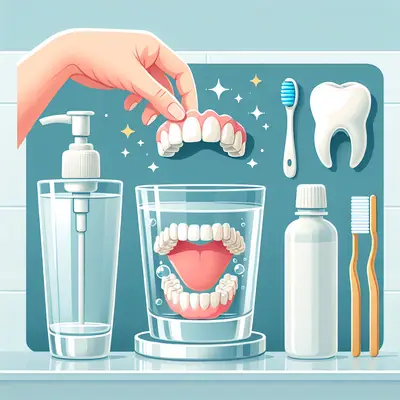
- Warm—never hot—water. Hot water can warp the acrylic base, subtly compromising fit. Lukewarm water protects the integrity of the material while still helping to soften deposits.
- A nightly effervescent soak. Enzyme or antimicrobial tablets help break down plaque biofilm and reduce odour‑causing bacteria. Ensure the denture is fully submerged and follow the manufacturer’s timing recommendations.
- A final rinse before wear. After soaking, rinse with cool running water to remove any cleanser residue that could irritate tissues or affect taste.
This layered approach keeps dentures not just “clean enough,” but impeccably maintained—clear of hidden plaque, with surfaces that remain smooth, glassy, and pleasant to the touch.
3. Protect the Oral Tissues That Protect Your Dentures
Dentures are only as comfortable as the gums, bone, and mucosa that support them. Yet many wearers focus on the prosthesis itself and neglect the living foundation underneath.
To preserve that foundation:
- Give your mouth a nightly intermission. Unless your dentist has advised otherwise, remove dentures for at least 6–8 hours (usually overnight). Continuous wear is associated with increased risk of denture stomatitis (a fungal inflammation) and can accelerate bone loss.
- Massage and clean the gums. Use a soft toothbrush or a clean, damp gauze pad to gently massage the gums, palate, and tongue. This removes plaque, stimulates circulation, and promotes tissue resilience.
- Honor dryness as a warning sign. Dry mouth (xerostomia) increases friction, irritation, and fungal overgrowth. Hydrate throughout the day, consider sugar‑free saliva‑stimulating lozenges, and discuss persistent dryness with your clinician—it may be medication‑ or health‑related.
- Monitor red spots and white patches. Persistent redness, white plaques, or ulcerated areas under the denture merit prompt professional evaluation. Early treatment of infections or tissue changes protects both your health and the long‑term success of your prosthesis.
- Maintain meticulous care of any remaining teeth and implants. For partial dentures or implant‑supported designs, cleaning the natural teeth, abutments, and implant components with floss, interdental brushes, or water flossers is essential. The stability of your denture relies on those structures staying healthy.
By prioritising the well‑being of the underlying tissues, you create a stable, comfortable canvas on which your dentures can perform at their best.
4. Refine Adhesive Use into a Precision Technique, Not a Crutch
Denture adhesives, when used thoughtfully, can offer a sense of security and help prevent food particles from slipping underneath the denture. Overused—or poorly applied—they can mask a failing fit and create unnecessary mess.
Elevate adhesive use with these principles:
- Use it to enhance, not compensate. A well‑fitting denture should not require large amounts of adhesive. If you find yourself increasing the quantity over time, it’s a signal to schedule an adjustment, not simply add more product.
- Adopt a minimal, strategic pattern. Place tiny pea‑sized dots or thin strips on the denture, spaced apart rather than smeared into a thick layer. This avoids overflow and ensures a more even seal.
- Choose zinc‑free formulas if you are a heavy user. Excessive intake of zinc from certain adhesives has been associated (in rare cases) with health issues when used far beyond recommended amounts. Follow manufacturer guidelines and discuss any concerns with your dentist or physician.
- Clean residual adhesive meticulously. At night, remove the denture and carefully clean any remaining adhesive from both the denture and your gums using a soft brush or gauze and warm water. This prevents buildup and maintains tissue health.
- Monitor how your bite feels. Even with adhesive, your teeth should meet in a natural, balanced manner. Any shift in your bite, clicking, or new jaw discomfort merits professional attention.
When handled with restraint and precision, adhesive becomes a subtle ally rather than a sticky necessity—enhancing confidence without overshadowing the importance of an accurate fit.
5. Preserve Aesthetics with a Lifestyle That Honors Your Prosthesis
A premium denture is engineered not only for function, but for beauty: translucency, shade nuances, and surface texture all contribute to a natural, elegant smile. Daily choices either protect or erode that investment.
Consider these aesthetic‑forward habits:
- Be selective with staining agents. Coffee, red wine, tea, and tobacco are well‑known culprits. While complete avoidance may be unrealistic, rinsing with water after consumption and not lingering with stained beverages in your mouth helps minimise discoloration.
- Avoid harsh, “whitening” products on dentures. Bleach‑based or whitening toothpastes and home remedies like baking soda can roughen the surface, making it more prone to staining and plaque accumulation. The result is a dull, matte finish instead of a subtle, enamel‑like sheen.
- Request periodic professional polishing. During routine dental visits, ask for a dedicated denture polish. Dental professionals can use specialised instruments and pastes to restore lustre and smooth microscopic scratches.
- Store dentures properly when not in use. Always keep them fully immersed in water or a denture‑soaking solution to prevent warping and surface dehydration. Avoid leaving them exposed on a bedside table, where they can dry, accumulate dust, or be accidentally dropped.
- Handle them like a fine object. When cleaning, do so over a folded towel or a basin partially filled with water. This simple precaution reduces the risk of fractures from accidental drops—damage that can alter appearance as well as fit.
A considered lifestyle, combined with periodic professional refinement, keeps your dentures looking composed and luminous, day after day.
Conclusion
An elevated denture maintenance routine is less about rigid rules and more about thoughtful attention: to fit, to cleanliness, to the health of the supporting tissues, and to the quiet details that preserve comfort and beauty over time. By treating your dentures as a refined, living part of your daily presentation—not a static appliance—you ensure they continue to support your speech, your smile, and your confidence with effortless grace.
Sources
- American Dental Association – Dentures – Overview of denture types, care recommendations, and professional guidance
- Mayo Clinic – Dentures: How to Care for Them – Practical advice on day-to-day denture hygiene and maintenance
- Cleveland Clinic – Dentures – Detailed explanation of denture fit, relines, and long-term management considerations
- National Institutes of Health – Denture Stomatitis Review – Research-based discussion of denture-related oral infections and preventive strategies
- Colgate Oral Care Center – Caring for Dentures – Step-by-step guidance on cleansing methods and product considerations
Key Takeaway
The most important thing to remember from this article is that this information can change how you think about Maintenance Tips.