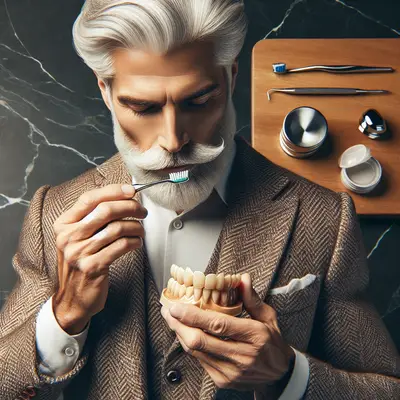
Precision is the new luxury, and nowhere is it more evident than in the way you care for your smile. For denture wearers, oral hygiene is no longer a simple checklist; it is a carefully curated ritual that influences comfort, confidence, and long-term oral health. This is where thoughtful technique, refined products, and intelligent routines converge into something quietly powerful: a mouth that feels impeccably clean, stable, and under control.
Below, you’ll find five exclusive insights designed for discerning denture wearers who expect more than “good enough” from their daily oral care.
The Foundation: Treating Your Mouth, Not Just Your Dentures
Dentures may replace your teeth, but they do not replace your mouth.
Even with full dentures, your gums, tongue, cheeks, and palate remain living tissues that demand meticulous care. Bacteria, food particles, and fungal organisms such as Candida can accumulate on soft tissues just as easily as on natural teeth. Ignoring them can compromise comfort, breath, and even the fit of your dentures over time.
Begin by gently brushing your gums, tongue, and the roof of your mouth with an extra-soft toothbrush or a dedicated oral sponge. Use warm water or a non-foaming, alcohol-free mouthwash to avoid irritation. The aim is not scrubbing, but refined stimulation: this light massage increases circulation, supports tissue health, and helps maintain the resilience your dentures depend on for a secure, comfortable fit.
Consider this your “bare canvas” stage. Just as skin care begins with perfectly cleansed skin, denture care begins with a clean, calm, and healthy oral environment—before the denture even touches your mouth.
Insight 1: The “Dual-Texture” Cleaning Method for Dentures
Advanced denture care moves beyond a single brush and one universal motion. A more nuanced approach uses two distinct textures to address different surfaces and vulnerabilities.
First, use a soft-bristled denture brush or ultra-soft toothbrush to clean the tissue-facing side (the part that rests against your gums). This surface is more delicate and more prone to harboring biofilm that can contribute to sore spots or fungal overgrowth. Think of this as detailing a precision instrument: small, controlled strokes, especially along edges and contours, preserve both cleanliness and structural integrity.
Second, move to a firmer, denture-specific brush for the outer surfaces and occlusal (biting) surfaces. These areas face more staining from coffee, tea, red wine, and richly colored foods. A firmer texture—used gently—helps disrupt tenacious plaque and superficial stains without resorting to harsh abrasives that could scratch the material.
To refine this technique:
- Clean over a basin filled with water or a folded towel to protect against accidental drops.
- Use a non-abrasive denture cleanser or mild dish soap—never regular toothpaste, which is often too abrasive.
- Rinse thoroughly with cool or lukewarm water; very hot water can warp dentures.
This dual-texture method elevates cleaning from “one-size-fits-all” to a deliberate process that honors the different roles each denture surface plays.
Insight 2: Temperature Discipline—A Subtle Control That Changes Everything
One of the most understated luxuries in denture hygiene is precise control over temperature.
Excessive heat can warp the acrylic or base materials of dentures, subtly altering fit and creating micro-gaps where bacteria thrive. Conversely, extreme cold can be uncomfortable on sensitive tissues and may worsen certain oral conditions.
Build temperature discipline into your daily ritual:
- Cleansing water: Keep it comfortably warm, never steaming. If it feels hot on your fingers, it is too hot for your dentures.
- Soaking solutions: Follow manufacturer guidelines and avoid improvising with hot water to “boost” cleaning power. The chemicals are formulated to work at specific temperatures.
- Rinsing before insertion: Use cool or room-temperature water before placing dentures back in your mouth to reduce irritation and preserve comfort.
This attention to temperature is not cosmetic—it preserves fit accuracy, minimizes material fatigue, and protects the delicate balance of your oral tissues. Over time, this discipline helps prolong both the life and stability of your dentures.
Insight 3: Curated Soaking: Treat Your Dentures Like a Fine Material
Leaving dentures in a random cup of water overnight is the oral equivalent of throwing cashmere into a hot dryer. Technically, they may survive—but not in their best condition.
A more refined approach views overnight soaking as a curated treatment:
- Choose specialist solutions wisely: Opt for reputable, denture-specific cleansers with antimicrobial activity. These help break down plaque and stains and reduce the risk of denture stomatitis (inflammation often associated with yeast overgrowth).
- Alternate between functions: On most nights, use a standard cleansing solution. Periodically, with professional guidance, incorporate products specifically targeting fungal control or more intensive plaque disruption.
- Respect time limits: Extended soaking beyond recommended times, especially in strong solutions, can weaken metal components in partial dentures and fade coloration.
- Avoid DIY shortcuts: Vinegar, bleach, or household cleansers may seem effective, but can roughen surfaces, irritate tissues, or damage materials.
Overnight, your dentures should undergo their own “spa treatment”—disinfecting, refreshing, and emerging closer to their original clarity and smoothness. That smoothness is not an aesthetic indulgence; it greatly reduces bacterial adhesion and makes each subsequent cleaning more efficient.
Insight 4: The Micro-Climate of Your Mouth: Hydration, Saliva, and Comfort
For denture wearers, saliva is not just moisture; it is a stabilizing medium, a natural cleanser, and a critical factor in comfort.
Dry mouth (xerostomia), often associated with medications or certain medical conditions, can transform even the best-crafted dentures into a source of friction and soreness. It also increases the risk of fungal infections and bad breath, as saliva normally helps neutralize acids and wash away debris.
Elevate your oral micro-climate by:
- Prioritizing hydration: Sip water throughout the day rather than relying on occasional large glasses.
- Avoiding mouthwashes with alcohol: These can further dry and irritate tissues. Choose gentle, alcohol-free formulas.
- Exploring saliva-supportive strategies: Sugar-free lozenges, xylitol-containing gums (if your dentist approves), or saliva substitutes can help maintain lubrication.
- Discussing persistent dryness with your dentist or physician: Some prescription options or medication adjustments may improve saliva flow.
Think of your oral environment as a finely tuned ecosystem. The goal is not merely a clean denture, but a consistently comfortable, well-hydrated, and balanced mouth in which the denture can rest peacefully.
Insight 5: Elegant Minimalism with Products—But Maximum Precision with Technique
A sophisticated oral hygiene routine is not defined by the number of products on your counter, but by the intelligence with which each one is used.
Instead of constantly adding new pastes, gels, and tools, refine a minimal, powerful set:
- A dedicated denture brush with two head shapes (broad and tapered)
- An ultra-soft brush or sponge for gums and soft tissues
- A reputable overnight soaking solution recommended by your dental professional
- An alcohol-free mouth rinse suitable for daily use
The real luxury is in technique: the angle of the brush, the patience with which you trace the denture margins, the consistency of cleaning after every meal rather than only once a day. This quiet precision prevents buildup that no “miracle” product can erase overnight.
In this context, your dental professional becomes part of your toolkit. Periodic professional cleanings of your dentures and routine examinations of your mouth elevate your at-home ritual, catching minute changes in fit, wear, or tissue health before they compromise comfort or aesthetics.
Conclusion
Refined oral hygiene for denture wearers is not an indulgence; it is an investment in daily ease, enduring confidence, and long-term oral health. When you treat your mouth as a foundation to be nurtured—not merely a space to house a prosthesis—everything changes: comfort improves, breath remains fresh, and your dentures feel less like an appliance and more like an integrated part of your presence.
By embracing dual-texture cleaning, temperature discipline, curated soaking, an optimized oral micro-climate, and minimalist yet precise techniques, you create a ritual that feels as considered as any other aspect of your personal care. The result is subtle but unmistakable: a smile maintained with intention, and a mouth that feels quietly, consistently, impeccably clean.
Sources
- American Dental Association – Dentures – Overview of denture care basics, including cleaning, handling, and adjustment guidance.
- Mayo Clinic – Dentures: How to Care for Them – Practical, clinically grounded advice on daily cleaning, soaking, and oral tissue care for denture wearers.
- Cleveland Clinic – Denture Stomatitis – Detailed explanation of denture-related oral infections, risk factors, and prevention through proper hygiene.
- National Institute of Dental and Craniofacial Research – Dry Mouth – Authoritative information on dry mouth, its causes, and management strategies relevant to denture comfort.
- University of Rochester Medical Center – Oral Hygiene – General oral hygiene recommendations that support healthy soft tissues, even in the absence of natural teeth.
Key Takeaway
The most important thing to remember from this article is that this information can change how you think about Oral Hygiene.