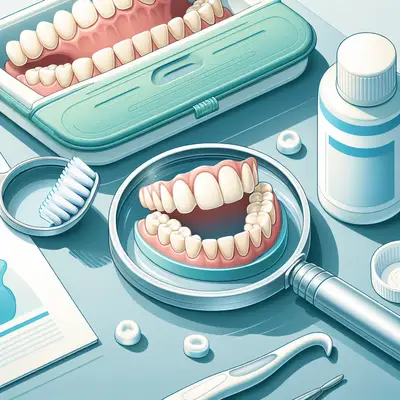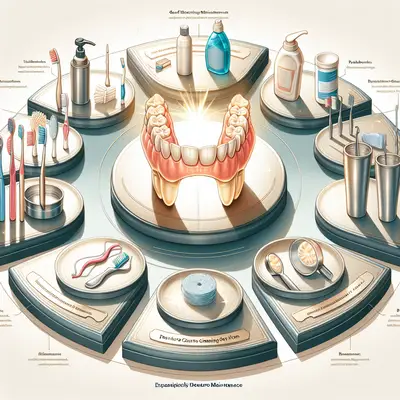
Refined denture care is less about rigid rules and more about a considered ritual—one that protects the integrity of your prosthesis while preserving the quiet confidence of a natural, effortless smile. Beyond the obvious guidance to “clean daily” and “avoid harsh products,” there is a more nuanced level of maintenance that elevates your experience from basic upkeep to curated care. The following approach is designed for wearers who appreciate precision, comfort, and long-term performance in equal measure.
Designing a Gentle 24-Hour Care Cycle
Think of your denture care as a 24-hour cycle rather than a scattered set of tasks. The aim is to preserve both the material and the delicate tissues that support it.
Begin by anchoring your day with a structured morning and evening routine. In the morning, rinse your dentures thoroughly to remove any overnight soaking solution, then gently brush them with a soft-bristle brush and a non-abrasive cleanser formulated for dentures (never standard toothpaste, which can create micro-scratches). Before insertion, take a moment to massage your gums and palate with a soft toothbrush or fingertip; this promotes circulation and helps reduce pressure-related discomfort over time.
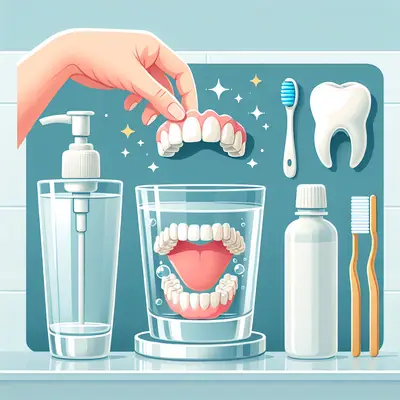
In the evening, remove dentures at least a few hours before sleep if possible, allowing the tissues to recover. Carefully clean the prosthesis and your mouth separately—brush the dentures, then brush your gums, tongue, and any remaining teeth. Finish by placing the dentures in a cool or room-temperature soaking solution recommended by your dentist; water alone can help maintain shape, but a proper cleanser provides added antimicrobial support. This deliberate 24-hour cycle keeps your routine consistent, controlled, and quietly luxurious.
Exclusive Insight #1: Precision Temperature Control for Denture Materials
Most wearers know to avoid hot water, but few treat temperature as a true maintenance variable. Yet, the thermal sensitivity of acrylic and other denture materials can affect fit, longevity, and surface integrity.
Adopt a “lukewarm-only” standard for all contact with your dentures—rinsing, cleaning, and soaking. Water that feels merely “warm” to your hands may still be too hot for the acrylic, risking subtle warping that you may not notice until the fit begins to feel slightly off. When soaking, avoid leaving dentures in direct sunlight (such as on a windowsill) or near radiators and heating vents, which can gradually distort the base.
If you use an ultrasonic cleaner at home, confirm with your dentist that the device is appropriate for your specific prosthesis and follow their timing recommendations closely. Overuse or excessive power settings can compromise delicate components such as metal clasps in partial dentures. Treat your dentures like a fine instrument—the more precise your control over environmental conditions, the more faithfully they will perform.
Exclusive Insight #2: Micro-Polishing Habits to Preserve a Satin Finish
A key to a truly natural-looking denture is its surface finish—smooth enough to resist plaque, yet not overly glossy in a way that looks artificial. Maintaining this subtle satin effect is a matter of daily micro-polishing, not occasional scrubbing.
Use a dedicated, ultra-soft denture brush with compact bristles and a gentle, non-abrasive denture cleanser. Apply minimal pressure and let the bristles do the work, guiding them in small, overlapping circles rather than harsh back-and-forth movements. Pay particular attention to the junction between teeth and the pink acrylic base—this area harbors plaque and stain but is also where aggressive brushing can dull the finish.
Once a week, inspect your dentures under bright, indirect light. Look for early signs of buildup at the necks of the teeth or where the denture meets the gumline. If you notice persistent roughness, stains, or microscopic scratches, schedule a professional polish rather than trying to correct it yourself using household abrasives or whitening products. Professional polishing restores the refined texture and gloss calibrated by your dental team, extending the time your dentures look “fresh from the clinic.”
Exclusive Insight #3: Strategic Adhesive Use as a Fitting Indicator
Denture adhesive is often viewed as either essential or unnecessary, but a more refined approach sees it as both a comfort tool and a diagnostic indicator. When used thoughtfully, adhesive can signal when an adjustment or reline is due—before irritation or sore spots develop.
First, choose an adhesive type (cream, powder, or strips) in consultation with your dentist; premium options often offer a thinner, more controlled layer that avoids the “padded” feel some wearers dislike. Apply the smallest effective amount and note how long the hold remains comfortable and stable throughout the day. A gradual need to increase the quantity or frequency of application can indicate that natural bone or tissue changes are impacting the fit.
If you find yourself relying on adhesive for basic functionality—rather than subtle stability—treat this as a cue to schedule a fit evaluation. Adhesive should refine security, not compensate for a poorly fitting prosthesis. This strategic, minimalist mindset protects your tissues, reduces excess product exposure, and keeps your denture in alignment with the original design intentions.
Exclusive Insight #4: Curating a “Soft Landing” Diet for Denture Longevity
Denture maintenance extends beyond the bathroom; the way you eat can quietly dictate how well your prosthesis ages. Rather than following restrictive rules, approach your diet as a curated “soft landing” experience tailored to your bite and prosthesis design.
Prioritize foods that require controlled, even pressure—such as tender proteins, steamed vegetables, and well-cooked grains—especially if you’ve had recent adjustments or a new denture placement. When enjoying firmer foods (like crusty bread, crisp apples, or steaks), cut them into smaller, manageable pieces and distribute chewing evenly on both sides to prevent rocking and concentrated stress.
Avoid habits that create localized force, such as cracking nuts, chewing ice, or using your dentures to open packaging. These micro-traumas compound over time, subtly altering fit and risking fractures or tooth debonding. If you enjoy wine, coffee, tea, or richly pigmented sauces, follow them with a water rinse to reduce staining and plaque accumulation. In this way, your daily menu becomes part of a larger maintenance strategy—one that respects the mechanical and aesthetic delicacy of your prosthesis.
Exclusive Insight #5: Calendar-Based Maintenance: A Luxury Mindset for Routine Care
Sophisticated denture care benefits from a structured, calendar-based approach rather than reactive appointments booked only when something feels wrong. This mindset mirrors how you might maintain a luxury watch or tailored wardrobe—regular, preventive attention rather than emergency interventions.
Work with your dentist to establish a personalized maintenance schedule. For many wearers, this includes a professional evaluation every 6–12 months, even when everything feels comfortable. These visits allow your clinician to check for hairline fractures, evaluate bite forces, assess gum and bone health, and professionally clean and polish the denture. If you have underlying conditions such as dry mouth, diabetes, or a history of periodontal disease, your schedule may be more frequent.
At home, complement these visits with your own micro-schedule:
- Weekly: Inspect your dentures and oral tissues in bright light for redness, sore spots, or small cracks.
- Monthly: Reassess your cleaning products to ensure they are not depleted or expired, and verify that your storage container remains clean and odor-free.
- Annually: Ask your dentist to review whether the fit, occlusion, and aesthetics still match your facial structure and lifestyle needs.
This intentional, calendar-based ritual transforms maintenance from a chore into an investment—one that preserves both the performance and poise of your smile.
Conclusion
Exceptional denture maintenance is less about doing more and more about doing the right things with precision, consistency, and discernment. By refining temperature control, protecting the delicate surface finish, using adhesives as subtle indicators, curating a supportive diet, and adopting a calendar-based care philosophy, you elevate your dentures from mere prosthetic to a considered part of your personal aesthetic.
The result is a smile that not only looks natural but lives comfortably and confidently in your daily routine—a quiet expression of care that feels as polished as it appears.
Sources
- American Dental Association – Dentures - General guidance on denture types, cleaning, and daily care recommendations
- Mayo Clinic – Dentures: Understand the Types and Care - Overview of denture care, fit considerations, and when to seek professional adjustment
- Cleveland Clinic – Dentures - Detailed discussion of denture maintenance, lifespan, and clinical follow-up expectations
- National Institute of Dental and Craniofacial Research – Oral Health in Older Adults - Context on oral health changes with age that influence denture fit and care strategies
- Colgate Oral Care Center – Caring for Dentures - Practical advice on cleaning techniques, product selection, and avoiding common maintenance mistakes
Key Takeaway
The most important thing to remember from this article is that this information can change how you think about Maintenance Tips.