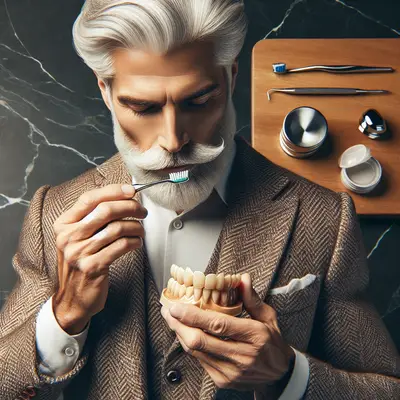
An elegant smile is never an accident; it is the result of deliberate choices, thoughtful rituals, and a quiet commitment to excellence. For denture wearers, oral hygiene is not merely about avoiding stains or odors—it is about preserving the architecture of your prosthetics, protecting your oral tissues, and sustaining a look of effortlessness that belies the care behind it. This is not a routine; it is a curated practice.
Below, you’ll find a refined approach to oral hygiene for denture wearers, with five exclusive, often-overlooked insights designed for those who expect more than “good enough” from their daily care.
Redefining “Clean”: Hygiene Beyond the Denture Surface
Many denture wearers focus almost entirely on the prosthetic itself—polishing the acrylic until it gleams—while overlooking the equally important terrain of the mouth: gums, tongue, palate, and any remaining teeth or implants. True oral hygiene is holistic, and for denture wearers, that distinction matters.
Clean dentures placed on unclean tissues can quickly accumulate biofilm again, and any residual plaque, food debris, or fungal overgrowth in the mouth can lead to irritation, denture stomatitis, or chronic bad breath. Think of your mouth as the carefully designed interior that must harmonize with the furnishings (your dentures). Your daily ritual should include a gentle gum massage with a soft toothbrush or damp, soft cloth, meticulous tongue cleaning to disrupt odor-causing bacteria, and careful brushing or interdental cleaning around any remaining natural teeth or implants. In doing so, you’re not only preserving your oral health—you’re creating a refined foundation that allows your dentures to function and look their best.
Insight 1: The “Dual-Texture” Denture Cleanse for Optimal Surface Care
One of the most overlooked refinements in denture care is the texture of the tools you use. A single brush—no matter how well designed—rarely addresses every contour and surface with equal finesse. A more elevated approach is to adopt what can be thought of as a “dual-texture” routine.
Begin with a soft-bristled denture brush or ultra-soft toothbrush to gently cleanse the broad surfaces of the denture. This ensures plaque and debris are removed without scratching the acrylic or wear facets. Then, introduce a second, more precision-focused tool—a compact, extra-soft brush or interdental brush—to address the finer architecture: around clasps for partial dentures, under flanges, along the palate side, and any small niches that tend to collect buildup.
By pairing these two textures, you maintain a smooth, polished surface that resists staining and bacterial adhesion while protecting the integrity of the denture materials. It is a small distinction, but over months and years, this level of granularity can determine whether a denture ages gracefully or prematurely looks tired and worn.
Insight 2: Temperature Discipline—Why “Lukewarm” Is a Luxury Standard
Water temperature is often treated as a trivial detail, yet for denture wearers, it is a quiet but critical parameter of sophisticated care. Acrylic and certain denture base materials are sensitive to heat; exposure to hot or boiling water can cause warping, subtle distortion, or microcracking that compromises the fit and longevity of the prosthesis.
Establish a non-negotiable standard: lukewarm, never hot. Use comfortably warm water for daily brushing and for dissolving cleansing tablets, if you use them. This disciplined approach protects the dimensional stability of your dentures, preventing micro-changes that might lead to pressure points, sore spots, or a perception that your prosthesis has “suddenly” become less comfortable.
In parallel, avoiding high heat extends to your habits: no soaking dentures in hot water, no rinsing them directly under scalding taps, and no microwave “disinfection” shortcuts. A refined oral hygiene ritual respects the material science behind your prosthetics—quietly guarding shape, fit, and comfort through measured temperature control.
Insight 3: A “Dry-By-Design” Night Strategy to Protect Oral Tissues
Nighttime can either be a restorative interval for your oral tissues or an unrecognized source of chronic irritation. The traditional advice to remove dentures at night exists for sound reasons: constant wear can contribute to inflammation, fungal overgrowth, and diminished tissue resilience. Yet the sophistication lies in what you do with that time, not merely in removing the prosthesis.
After taking out your dentures at night, cleanse them thoroughly and then allow them to rest in a clean, cool solution recommended by your dental professional—or, if advised, plain water. At the same time, give your oral tissues a curated moment of care: gently brush the gums, inner cheeks, tongue, and palate with a soft brush and water (or a non-alcoholic rinse if your clinician recommends one). Then give your mouth a short period of “dry” rest—just a few minutes where tissues are free of both dentures and any product.
This deliberate pause helps the mucosa recover and reduces the prolonged moisture environment that can favor Candida (yeast) growth and irritation. Over time, such a night strategy can improve tissue tone, minimize redness and soreness, and subtly enhance the way your dentures feel and function during the day.
Insight 4: Precision Polishing—Managing Stains Without Microscopic Damage
Stain management is where many denture wearers unintentionally compromise the elegance of their prosthetics. Harsh abrasives, whitening toothpastes, or household cleaners may create an immediate sense of “scrubbed clean,” but they also etch and roughen the denture surface. Under magnification, these micro-scratches act like tiny harbors for pigments and bacteria, making future stains more stubborn and plaque more tenacious.
An elevated, long-term approach emphasizes precision over aggression. Use only non-abrasive cleansers specifically formulated for dentures, paired with soft bristles. If staining beverages such as coffee, tea, or red wine are part of your lifestyle, adopt a post-consumption ritual: a simple water rinse or sip of plain water after drinking helps prevent pigments from setting into microfilm on the denture.
For existing, resistant discolorations, professional polishing by your dentist or prosthodontist is the most refined solution. They can restore luster without compromising material integrity—much like sending a fine garment to a trusted tailor rather than scrubbing it at home. Over years, this approach preserves the understated sheen and natural translucency that distinguish well-maintained dentures from those that merely look “clean enough.”
Insight 5: The “Silent Check”—Tactile and Visual Self-Exams as a Daily Standard
In the realm of oral hygiene for denture wearers, one of the most exclusive yet underutilized practices is the daily “silent check”—a calm, two-minute self-exam that prioritizes early detection and subtle changes. It is less about alarm and more about awareness.
After removing your dentures in the evening, use clean fingers and a mirror to gently examine your gums, tongue, and palate. You’re looking for anything that feels or looks different: rough patches, persistent redness, white or red spots, ulcerations, or areas that are tender to the touch. Move your fingers lightly along the ridge where your dentures rest, feeling for any new thickening or irregularities.
This habit supports early identification of issues such as friction sores, fungal infections, or—in rare but critical cases—early signs of oral cancer. When paired with regular clinical visits, your silent check turns you into an informed partner in your own oral health. The highest standard of hygiene is not only about cleanliness; it is about attentiveness and the ability to notice a whisper of change before it becomes a problem.
Integrating Dentures into Your Broader Oral Wellness
Denture care does not exist in isolation—it intersects with systemic health, nutrition, and daily lifestyle choices. Meticulous cleaning and refined practices lose impact if they are not supported by the basics: adequate hydration, a balanced diet that supports gum and bone health, and controlling conditions such as diabetes or dry mouth that influence the oral environment.
Opt for non-alcoholic mouth rinses if dryness is a concern, and discuss any persistent discomfort, changes in taste, or burning sensations with your dental professional. If you still have natural teeth, maintain a full brushing and flossing or interdental cleaning routine, recognizing that those teeth anchor your bite and support facial aesthetics. Your dentures are one dimension of oral wellness—but the way they integrate with your tissues, habits, and systemic health is where true refinement lies.
In this more sophisticated framework, oral hygiene becomes a quiet act of self-respect: not merely avoiding problems, but preserving comfort, poise, and the assurance that your smile is as thoughtfully maintained as any other element of your personal presentation.
Conclusion
A beautifully maintained denture is never the product of a single product or quick technique; it emerges from a series of small, consistent decisions carried out with care. By elevating your oral hygiene from a basic routine to a curated ritual—attentive to tools, temperature, nighttime habits, stain management, and self-examination—you protect both the longevity of your dentures and the health of the mouth that supports them.
The result is subtle yet unmistakable: dentures that continue to fit and function with quiet precision, tissues that remain comfortable and resilient, and a smile that looks authentically yours—effortless on the surface, exquisitely considered behind the scenes.
Sources
- American Dental Association – Dentures – Overview of denture types, cleaning recommendations, and general care guidelines.
- Cleveland Clinic – Dentures: Types, Care, and Complications – Detailed information on proper daily care, common problems, and when to contact a clinician.
- Mayo Clinic – Oral Health: A Window to Your Overall Health – Explores the connection between oral hygiene, systemic health, and why meticulous care matters.
- National Institute of Dental and Craniofacial Research – Oral Cancer – Authoritative guidance on early signs of oral cancer and the importance of regular self-exams and professional evaluations.
- Colgate Oral Care Center – Complete Denture Care Guide – Practical instructions on cleaning methods, product choices, and daily maintenance for dentures.
Key Takeaway
The most important thing to remember from this article is that this information can change how you think about Oral Hygiene.