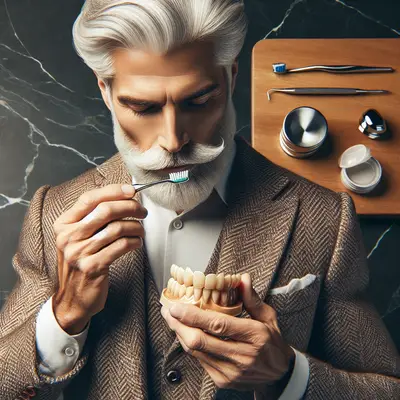
A refined smile is never accidental; it is the quiet result of meticulous care, thoughtful choices, and an intimate understanding of how natural tissues and crafted prosthetics coexist. For denture wearers, oral hygiene is no longer a simple matter of toothpaste and a brush—it becomes a curated ritual, one that protects the elegance of your prosthesis while preserving the health of the oral structures that support it.
What follows is a sophisticated approach to oral hygiene designed for those who expect more than the bare minimum: more comfort, more longevity, and more confidence. Interwoven throughout are five exclusive insights—subtle, often overlooked refinements that elevate routine care into an exceptional standard.
The Foundation: Oral Hygiene Beyond the Denture Surface
Oral hygiene for denture wearers extends far beyond keeping the acrylic or porcelain façade polished. Even with full dentures, your mouth remains a living environment: gums, underlying bone, mucosal tissues, and in many cases, natural teeth or implants all require attentive care.
Daily routines should begin and end with the mouth, not the prosthesis. After removing your denture, gently brush your gums, tongue, and palate with a soft toothbrush or an ultra-soft brush specifically designed for delicate oral tissues. This not only removes plaque and debris but stimulates circulation, which is essential for maintaining resilient, healthy tissues that can comfortably bear a prosthesis.
Residual natural teeth must be treated with the same, if not greater, precision as before dentures—flossing, interdental cleaning, and targeted fluoride use become essential for preventing decay and gum disease. Neglecting the mouth while obsessing over the denture itself is one of the most common, and costly, missteps.
Exclusive Insight #1: Treat your mouth as the “primary asset” and your denture as a meticulously crafted accessory. This mindset subtly shifts your hygiene focus to the tissues and structures that truly determine comfort, fit, and long-term success.
The Art of Cleaning: Choosing Tools That Respect Fine Prosthetics
Not all cleaning tools are equal—especially when you are caring for a finely crafted denture. Standard toothpaste, often abrasive, is designed for natural enamel, not for polished acrylic or porcelain. Using it directly on your denture can create microscopic scratches that trap stains, odors, and bacteria, ultimately dulling the prosthesis and shortening its aesthetic lifespan.
Instead, use a non-abrasive denture cleanser, or a mild, non-whitening liquid soap, with a dedicated denture brush that never touches your natural teeth. Rinse with cool or lukewarm water, as hot water may warp the acrylic and subtly distort the fit. Pay particular attention to the tissue-facing surface of the denture, where biofilm tends to accumulate invisibly yet aggressively.
Exclusive Insight #2: Maintain a separate, elevated “denture station.” Keep a dedicated brush, a beautifully chosen storage container, and your cleanser in a single, refined setup. This not only prevents cross-contamination with your regular toothbrush but transforms cleaning into a deliberate, almost ceremonial act—reducing the likelihood of rushed, incomplete care.
The Silent Intruder: Managing Biofilm, Yeast, and Odor with Precision
The interior surfaces of dentures provide an ideal environment for microbial colonization, including bacteria and yeast such as Candida, which can lead to denture stomatitis (inflammation and redness beneath the denture). This condition is often painless, which means it may go unnoticed until the fit feels subtly compromised or the tissue appears glazed and inflamed.
A meticulous nightly cleanse is non-negotiable. After brushing, an appropriate denture-soaking solution can help disrupt biofilm and reduce microbial load. However, the choice of product matters: some effervescent cleansers are highly effective when used as directed, but they are not a substitute for mechanical brushing.
The palate and ridges under a full denture should be gently brushed or wiped with a soft cloth each night. For partial denture wearers, plaque can easily accumulate around clasps and attachments, increasing the risk of decay on adjacent natural teeth.
Exclusive Insight #3: Integrate a “biofilm audit” once a week. Under bright lighting, examine the denture’s tissue surface and clasp areas for any dull film, white patches, or stubborn residue. This weekly inspection, perhaps done with a magnifying mirror, allows early intervention before minor buildup becomes a chronic hygiene challenge or a source of persistent odor.
The Nighttime Interval: Resting Oral Tissues with Deliberate Care
Contrary to what many believe, dentures are not designed to be worn continuously, day and night. The oral tissues require a regular period of relief from mechanical pressure to maintain health and prevent inflammation, bone resorption, and fungal overgrowth.
Ideally, dentures should be removed for at least six to eight hours every 24-hour cycle—often overnight is most practical. During this interval, the denture should rest in water or the recommended soaking solution to prevent drying and warping, while the mouth remains clean and unencumbered.
Your nighttime ritual should include a final rinse with water or an alcohol-free mouthwash, especially for those with dry mouth, implant-supported dentures, or a history of gum disease. For some, your clinician may recommend a prescription antifungal or antibacterial rinse as part of a targeted regimen.
Exclusive Insight #4: Curate a personalized “tissue recovery ritual” before sleep. Pair gentle gum massage with a soothing, non-irritating rinse and a period of a few minutes without any appliance in place before soaking the denture. This brief transition signals to your body—and your routine—that nighttime is not just for storing the denture, but for actively rehabilitating the tissues that support it.
The Subtleties of Fit: Hygiene as a Guardian of Longevity and Comfort
Hygiene and fit are inseparable. Even the most exquisitely crafted denture will feel unstable and uncomfortable if the underlying tissues are inflamed or uneven due to poor care. Food debris left beneath the denture can cause micro-irritations that, over time, create sore spots and ulcers. Plaque along the gum line of remaining teeth, especially under a partial denture, can accelerate decay and compromise anchorage points.
Regular professional reviews are essential, not merely for adjustments but for a comprehensive oral health assessment. A dentist or prosthodontist can evaluate the condition of your tissues, check for signs of friction, fungal infections, sore spots, or early lesions, and advise whether a reline, adjustment, or replacement is approaching.
Exclusive Insight #5: Use subtle changes in speech, taste, or temperature sensitivity as early warning signs. A barely noticeable lisp, a faint metallic taste, or new sensitivity to hot or cold foods can indicate changes in fit, tissue health, or emerging infections. Attending to these nuances early allows you and your clinician to intervene gracefully, rather than waiting for discomfort to force urgent repairs.
Conclusion
Oral hygiene for denture wearers is far more than a chore; it is an expression of how you value your comfort, your health, and the quiet luxury of a confident smile. By elevating routine care into a curated ritual—prioritizing the mouth over the prosthesis, choosing refined tools, managing biofilm with precision, honoring nightly tissue recovery, and listening to the subtle language of fit—you preserve not just the appearance of your dentures, but the integrity of the oral environment that sustains them.
This is the cultivated smile: not flashy, not performative, but enduring—maintained with the same thoughtful discernment you bring to every other aspect of your life.
Sources
- American Dental Association – Dentures – Overview of denture care, cleaning recommendations, and professional guidance
- Mayo Clinic – Dentures: How to Care for Them – Practical advice on daily cleaning, handling, and when to seek dental adjustments
- National Institute of Dental and Craniofacial Research (NIDCR) – Oral Health in Older Adults – Discusses oral health considerations for older adults, including prosthetic appliances
- Cleveland Clinic – Dentures – Detailed information on types of dentures, care routines, and common issues
- University of Michigan School of Dentistry – Denture Stomatitis – Clinical explanation of denture-related fungal infections and prevention strategies
Key Takeaway
The most important thing to remember from this article is that this information can change how you think about Oral Hygiene.