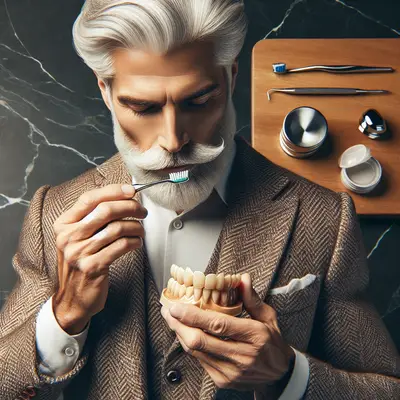
A well-kept smile is never accidental; it is curated. For denture wearers, oral hygiene is less about clinical obligation and more about sustaining a refined standard of daily comfort, confidence, and health. When natural teeth are replaced, the requirements of care do not lessen—they simply become more nuanced. Thoughtful routines, discerning product choices, and subtle daily habits together define whether dentures feel like a compromise or an upgrade to your quality of life.
Below, we explore a sophisticated approach to oral hygiene with dentures, including five exclusive insights that elevate your routine beyond the basics.
Redefining Clean: Oral Hygiene as a Foundation, Not a Finish Line
Oral hygiene with dentures is not limited to cleaning the prosthesis itself; it is a holistic practice that encompasses your gums, tongue, palate, and the underlying structures that support your dentures.
Even without natural teeth, plaque, food debris, and bacteria accumulate along the gum line, on soft tissues, and on the denture surfaces. Left unattended, this can lead to bad breath, inflammation, fungal infections, and faster wear of the prosthesis. In other words, “no cavities” does not mean “no consequences.”
A refined hygiene ritual recognizes that your mouth is an ecosystem. A gentle brush across the gums, tongue, and palate after removing dentures helps stimulate blood flow, reduce bacteria, and maintain tissue resilience. Paired with conscientious denture cleaning, you create an environment where your prosthesis not only looks pristine but also rests on healthy, comfortable tissue day after day.
The goal is not sterile perfection but a consistently balanced, clean environment that supports long-term comfort and dignity.
The Architecture of a Refined Daily Routine
A sophisticated oral hygiene routine for denture wearers has structure. Think of it as a three-part architecture: preparation, cleansing, and recovery.
Morning: Setting the tone
After removing your dentures from their overnight soak, rinse them thoroughly to eliminate cleanser residue that could irritate the mouth. Lightly brush the dentures with a soft brush designed for prosthetics, not a hard-bristled toothbrush that can cause invisible micro-scratches. Then, gently brush your gums, tongue, and palate with a soft toothbrush or damp gauze. This awakens the tissues and ensures a fresh foundation for the day.
Midday: Subtle resets
Throughout the day, discreet rinsing after meals with water or an alcohol-free mouthwash helps prevent food particles from lingering between the denture and your gums. Carrying a compact denture case and travel-sized brush allows you to step away briefly—perhaps after a business lunch or social engagement—to perform a quick, quiet refresh if needed. This is less about obvious “cleaning” and more about maintaining an unbroken standard of composure.
Evening: Restorative care
At night, remove your dentures to give your tissues a chance to rest. Clean the prosthesis thoroughly, soak it in an appropriate cleanser, then tend to your gums and oral tissues with care. This is the restorative phase, where you not only cleanse but also evaluate—checking for any tender spots, redness, or changes that may indicate an emerging issue. Over time, this nightly ritual becomes a quiet, reassuring audit of your oral well-being.
Five Exclusive Insights for Discerning Denture Wearers
These five insights go beyond conventional advice, offering subtle refinements that can meaningfully elevate your oral hygiene experience with dentures.
1. Micro-Scratches Matter More Than You Think
Many denture wearers unknowingly damage their prosthesis during cleaning. Regular toothpaste and stiff brushes, designed for natural enamel, are often too abrasive for acrylic and other denture materials. They create micro-scratches that are invisible to the eye but ideal for trapping bacteria and stains.
Over time, this can lead to persistent odor, discoloration, and a “filmy” feeling that never seems to wash away. Choosing a soft denture brush and a non-abrasive cleanser—specifically labeled for dentures—preserves the smoothness of the surface, making it harder for plaque and stains to adhere. It’s a subtle distinction that dramatically changes how fresh your dentures feel by the end of the day.
2. Your Gums Require Spa-Level Attention, Not Casual Care
When natural teeth are gone, the soft tissues become the principal foundation of your oral comfort. Yet many denture wearers under-care for their gums, assuming that “no teeth” equals “less maintenance.”
In reality, gums that are gently brushed daily—with a soft toothbrush or moistened gauze—tend to be more resilient, less prone to irritation, and better able to support a stable, comfortable fit. Consider this step the equivalent of skincare for your mouth: massaging the tissues increases circulation, helps reduce minor inflammation, and creates a healthier surface for the denture to rest upon.
Refined denture hygiene doesn’t treat gum care as an optional extra—it is central to the ritual.
3. Nighttime Is Not Optional: The Power of an Unburdened Mouth
Sleeping with dentures in may appear convenient or more aesthetically reassuring, but it carries real risk. Research has tied overnight denture wearing to increased likelihood of pneumonia in older adults, due to bacterial and fungal overgrowth on the appliance and in the mouth.
Allowing your mouth to rest overnight without dentures reduces mechanical pressure on the gums, lowers the risk of sores and infections, and gives your tissues time to recover from the day’s friction. Paired with an effective overnight soak in a denture-cleaning solution, you not only protect your oral health but significantly extend the functional life and appearance of your prosthesis.
This nightly removal is less a concession and more a considered investment in long-term comfort and safety.
4. Saliva Is a Silent Ally—Protect It Deliberately
Saliva is one of the most understated elements of oral hygiene. It naturally lubricates, neutralizes acids, and helps wash away food particles and bacteria. For denture wearers—especially those taking medications that cause dry mouth—thoughtful support of saliva flow is a quiet but powerful strategy.
Staying well-hydrated, using sugar-free chewing gum or lozenges, or discussing saliva-stimulating options with your dentist or physician can dramatically improve comfort. Adequate moisture reduces friction between dentures and gums, decreases the risk of sores, and enhances the stability of the prosthesis.
Rather than reaching first for more adhesive when things feel uncomfortable, it’s often wiser to ask: “Is my mouth too dry?” Nurturing saliva flow can transform the overall sensation of your dentures more effectively than many quick fixes.
5. Your Dentist Is Not Just a Problem-Solver, but a Strategic Partner
Many denture wearers fall into the pattern of visiting their dentist only when something feels wrong—pain, looseness, or visible damage. A more elevated approach treats regular check-ups as strategic appointments, not emergency interventions.
Over time, the bone and soft tissues of the jaw naturally change shape, even after teeth are removed. This can cause dentures that once fit beautifully to become subtly unstable, leading to irritation, sore spots, or difficulty chewing. Scheduled evaluations allow your dentist to identify these changes early, make adjustments or relines, and screen for issues such as oral infections or signs of oral cancer.
In a refined oral hygiene philosophy, your dentist is your co-curator of long-term comfort and aesthetics. You maintain daily excellence; they provide periodic precision.
Thoughtful Product Choices: Less Clutter, Higher Standards
The goal is not to crowd your vanity with products, but to curate a small selection that supports a high standard of care.
A typical elevated toolkit might include:
- A dedicated denture brush with soft bristles
- A non-abrasive denture cleanser for daily soaking
- A soft-bristled toothbrush for gums, tongue, and palate
- An alcohol-free mouthwash to avoid excessive dryness
- A vented, clean storage case for your dentures
Resist the urge to use hot water, bleach, or household cleaners on your dentures, as these can warp or degrade the material. Similarly, avoid makeshift fixes for cracks or broken clasps at home; they often cause more damage and compromise hygiene. Professional repairs are not simply cosmetic—they help preserve fit, cleanliness, and safety.
Elegance in denture care lies in precision: every product has a clear purpose, and every step in your routine serves long-term health as much as immediate aesthetics.
Conclusion
Living with dentures does not mean surrendering to a lesser standard of oral care; it calls for a more intentional one. By treating oral hygiene as a refined daily ritual—protecting your soft tissues, respecting the materials of your prosthesis, supporting saliva, and partnering thoughtfully with your dentist—you transform dentures from a functional necessity into a well-managed, almost invisible part of your life.
The cultivated smile is not only the one others see, but the one that feels consistently comfortable, clean, and assured from the moment you wake until the evening’s final rinse.
Sources
- American Dental Association – Caring for Dentures – Professional guidance on cleaning, handling, and wearing dentures
- Mayo Clinic – Dentures: How to Care for Them – Practical recommendations on daily denture hygiene and maintenance
- National Institutes of Health (NIH) – Nighttime Denture Wearing and Pneumonia Risk – Research article discussing the link between wearing dentures during sleep and pneumonia in older adults
- Colgate Oral Care Center – Dentures and Oral Hygiene – Consumer-focused overview of best practices for denture cleaning and oral tissue care
- Cleveland Clinic – Dry Mouth (Xerostomia) – Detailed explanation of dry mouth, its causes, and management strategies relevant to denture wearers
Key Takeaway
The most important thing to remember from this article is that this information can change how you think about Oral Hygiene.