A well-crafted denture does more than restore function—it restores presence. Yet the quiet confidence of a natural-looking prosthetic depends on habits that are intentional, precise, and consistently refined. Truly elegant denture care is not a matter of doing more, but of doing the right things with care, timing, and discernment.
This guide explores maintenance from a more elevated perspective: how to protect the finish, preserve the fit, and maintain the discreet, natural look you invested in—while avoiding the subtle missteps that prematurely age a prosthetic. Within it are five exclusive insights that go beyond basic cleaning, curated for wearers who expect their dentures to perform beautifully, day after day.
Elevating the Basics: Crafting a Daily Ritual, Not a Chore
Daily denture care is often reduced to a checklist: remove, brush, soak. For refined maintenance, it helps to view this instead as a short, consistent ritual with a logical sequence that protects both the denture and the mouth.
Begin by rinsing your dentures under cool or lukewarm running water immediately after removal to dislodge loose debris before brushing. This simple step reduces scratching by removing particles that could act like abrasive grit. Follow with a non-abrasive denture brush and a cleanser specifically labeled for dentures; ordinary toothpaste is often too harsh and can create micro-scratches that gradually dull the surface and harbor stains.
Equally important is caring for the tissues beneath. After your dentures are out, gently massage your gums, palate, and tongue with a soft-bristled toothbrush or clean, damp gauze. This not only improves circulation and comfort but also reduces the biofilm that might otherwise transfer back onto your dentures the next day. Finish with a brief inspection under good lighting—looking for hairline cracks, stains starting at the edges, or areas of wear on clasps or bases. Catching small changes early allows a clinician to adjust or polish rather than repair or replace.
Think of this not as “cleaning your dentures,” but as a curated sequence: cleanse, condition (your oral tissues), then inspect.
Exclusive Insight #1: Temperature Discipline as a Luxury Habit
One of the most overlooked aspects of denture maintenance is temperature control—both in cleaning and in daily use. Acrylic and certain base materials can subtly warp when exposed to high heat, and the effects are often cumulative and invisible until the fit suddenly feels “off.”
Avoid washing dentures in hot or boiling water, even briefly. While it may feel more “sanitizing,” it can distort their shape just enough to affect comfort and stability over time. Instead, aim for cool to lukewarm water when rinsing, brushing, or preparing soaking solutions. Similarly, be mindful with hot beverages: sipping scalding tea or coffee immediately after pouring can expose the denture to repetitive thermal stress, particularly in thinner areas.
At home, designate a “safe zone” away from radiators, heated towel racks, or direct sunlight where your denture case always rests. This simple discipline preserves the precision of the fit you invested in—and prevents the quiet, progressive loss of stability that can be difficult to correct without remaking the prosthesis.
Exclusive Insight #2: Strategic Soaking and Surface Preservation
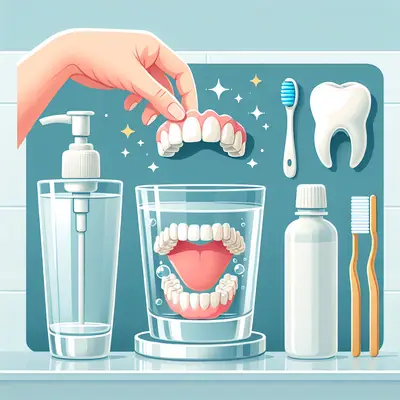
Overnight soaking is often presented as a binary: you either do it or you don’t. For more refined care, it’s about how you do it—and what you’re actually trying to achieve. The purpose is twofold: to keep the acrylic from drying out and becoming brittle, and to control microorganisms that cause odor, staining, and inflammation.
Use a soaking solution recommended by your dentist or specifically formulated for dentures, and always follow the timing guidelines; leaving dentures in a highly concentrated solution far longer than indicated is unnecessary and may affect metal components or color over years of use. For wearers with metal frameworks or attachments, look for non-corrosive formulas or consult your clinician—some generic effervescent tablets are not ideal for all designs.
For those who prefer minimal chemistry, alternating between a mild commercial cleanser on some nights and plain water on others can be a balanced approach, provided daytime hygiene is meticulous. Whichever routine you choose, fully submerge your dentures to prevent drying, and rinse thoroughly in the morning to remove any residual solution before the denture contacts your tissues. These nuances help preserve both the surface finish and the integrity of delicate details like characterization, veining, and translucency in high-end prosthetics.
Exclusive Insight #3: Precision Brushing, Not Over-Brushing
Excessive enthusiasm with a brush can age a denture prematurely. While daily brushing is non-negotiable, the technique and tools dictate whether you’re maintaining or gradually eroding the surface.
Choose a brush designed for dentures or a very soft toothbrush with a broad head. Rather than scrubbing back and forth aggressively, use measured, short strokes with light pressure, angling the bristles into grooves and around the necks of artificial teeth. Focus especially along the gingival margins and fitting surfaces where plaque tends to accumulate, but avoid unusually stiff or hard brushes and any cleaner that feels gritty between your fingers.
A sophisticated touch is to allocate “zones”: first brush the outer buccal and labial surfaces (the parts others see), then the occlusal surfaces (where chewing occurs), and finally the fitting surface that contacts the gums. This deliberate approach ensures you don’t neglect hidden areas while avoiding overworking the most visible ones. The reward is a prosthesis that maintains its subtle luster and natural contours far longer, with fewer microscopic scratches and less susceptibility to staining from coffee, tea, or red wine.
Exclusive Insight #4: Managing Adhesives with Surgical Precision
Denture adhesives can be immensely helpful, but overuse or imprecise use easily undermines comfort, tissue health, and the clean lines of a beautifully crafted denture. The goal is not to “glue” a poorly fitting prosthesis in place, but to provide discreet supplemental stability where appropriate.
Begin with the smallest amount recommended by the manufacturer, applied in thin, strategically placed lines or dots rather than a continuous blanket. Excess adhesive tends to ooze to the borders, trapping food particles and creating a coated feeling that invites more aggressive cleaning. If you consistently find yourself using more than suggested, it’s a sign to schedule a professional evaluation—your denture may need relining, adjustment, or replacement.
At night, take particular care when removing adhesive from both the denture and your mouth. Gently wipe the fitting surface with a soft cloth or gauze under running water, then massage your gums and palate to remove any remaining residue. Avoid scraping with fingernails or tools, which can damage the acrylic or irritate tissue. This precise, clean approach keeps your prosthesis secure during the day while allowing your tissues to rest and recover fully at night.
Exclusive Insight #5: Anticipatory Care—Treating Your Denture Like a Fine Garment
High-end dentures deserve to be treated like bespoke items: handled thoughtfully, stored properly, and checked regularly for subtle signs of wear. Anticipatory care is about acting before problems become obvious.
Always handle your dentures over a soft surface—a folded towel or a basin partially filled with water—so a slip from wet fingers doesn’t mean a fractured tooth or base. Get in the habit of a monthly “visual audit” under strong, neutral lighting: look for tiny fractures at the corners of the mouth, slight chips on the incisors, polish loss on chewing surfaces, or faint staining at the edges that doesn’t brush away. These early indicators are easier to correct with a professional polish or small adjustment than with a full repair.
Equally important is maintaining your regular dental visits, even if you no longer have natural teeth. Your clinician will not only examine the prosthesis but also assess the health of your oral tissues, jawbone support, bite alignment, and any changes in facial structure that may affect fit. Think of these appointments as tailored fittings, ensuring your prosthetic continues to harmonize with the ongoing, natural changes in your face and mouth.
Conclusion
Truly refined denture maintenance lives in the details: the temperature of the water you use, the pressure of your brush, the way you store your prosthesis overnight, the amount of adhesive you apply, and the frequency with which you invite a professional to fine-tune the result. These elements, practiced consistently, transform basic care into a polished ritual that protects the integrity, comfort, and aesthetic of your dentures for years.
By approaching your prosthetic with the same discernment you’d extend to any other carefully crafted item, you safeguard not only your investment—but also the quiet, effortless confidence that comes from a smile that looks and feels naturally your own.
Sources
- American Dental Association – Dentures: Facts and Care - Overview of denture types and essential care recommendations from a leading professional organization
- Mayo Clinic – Dentures: How to Care for Them - Practical guidance on daily cleaning, soaking, and handling of dentures
- National Institute of Dental and Craniofacial Research – Oral Health in Older Adults - Discusses oral health considerations and the importance of regular dental visits for denture wearers
- Cleveland Clinic – Dentures - Details on fit, maintenance, and common issues related to denture use
- Colgate Oral Care Center – Denture Care and Maintenance - Consumer-focused overview of cleaning routines, storage practices, and denture hygiene tips
Key Takeaway
The most important thing to remember from this article is that this information can change how you think about Maintenance Tips.