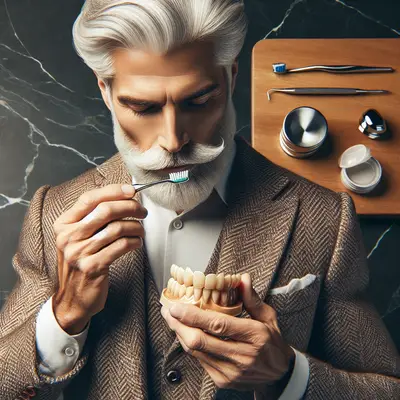
A well‑made denture can restore your smile; only a well‑kept mouth can preserve its grace. Oral hygiene for denture wearers is not merely about preventing odor or stains—it is about cultivating an environment in which the gums, bone, and prosthetic all coexist in comfortable, understated harmony. This is a daily ritual, not a chore: a series of deliberate choices that protect both your investment and your ease in every social moment.
Below, you’ll find five exclusive, elevated insights that go beyond the standard brushing advice—refined practices that discerning denture wearers quietly rely on to keep their smiles poised, polished, and truly comfortable.
Insight 1: Treat Your Gums Like Skin, Not Like Teeth
Natural teeth tolerate firmer brushing; soft oral tissues do not. Once you begin wearing dentures, your gums and palate become the true foundation of your smile—and they require a more nuanced approach than many people realize.
After removing your dentures at night, gently massage your gums, palate, and the inside of your cheeks with a soft, moistened toothbrush or a clean, damp gauze pad. Use small, sweeping motions, not aggressive scrubbing. This simple ritual stimulates blood circulation, supports tissue resilience, and helps dislodge microscopic biofilm that can feed odor‑causing bacteria.
Avoid toothpaste on bare tissues—its abrasives are crafted for enamel, not mucosa. Instead, use water or a non‑alcohol, non‑whitening mouth rinse recommended by your dentist. Overly harsh or heavily flavored products can dry or irritate delicate tissues, subtly eroding comfort over time. Think of it as skincare for your mouth: gentle, consistent, and thoughtfully chosen.
Insight 2: Elevate Your Nightly Detox: A Two‑Phase Cleansing Routine
For many denture wearers, “cleaning” simply means dropping appliances in a cleanser overnight. A more refined routine recognizes that mechanical and chemical cleaning each serve a distinct purpose—and the most polished results come from combining the two thoughtfully.
First, after meals and especially before bed, brush your dentures over a water‑filled sink or a soft towel, using a dedicated denture brush and a non‑abrasive denture cleanser (never standard toothpaste, which can scratch the surface). Focus on the underside of the denture, where plaque and calculus thrive against the tissue.
Second, immerse the dentures in a fresh, effervescent denture soak as directed. This chemical phase is not a substitute for brushing; instead, it dissolves residual deposits and helps reduce microbial load in areas bristles may miss. In the morning, always rinse thoroughly with cool water before placing the denture back in your mouth—no cleanser should remain on the acrylic.
This two‑phase ritual keeps not only the prosthetic clean, but the overall microbial profile of your mouth more controlled, resulting in a fresher, more confident presence throughout the day.
Insight 3: Curate a Hydrated, Balanced Oral Environment
Oral hygiene is not just about cleaning what you see; it’s about maintaining a micro‑environment that quietly supports health. Many denture wearers underappreciate the role of hydration and saliva in keeping the mouth comfortable and odor‑free.
Saliva naturally buffers acids, carries minerals, and helps wash away food particles. If you experience dry mouth from medications, age, or health conditions, your denture will feel less stable and your tissues more vulnerable to irritation and fungal overgrowth (such as denture stomatitis). This is where a curated hydration strategy becomes essential.
Sip water throughout the day, favoring still over sparkling varieties if you’re prone to sensitivity or reflux. Consider alcohol‑free, moisturizing mouth rinses and saliva substitutes recommended by your dental professional, particularly before long meetings, flights, or social events where speaking is constant. Limit frequent snacking on sugary or acidic items, which can destabilize your oral pH and feed plaque biofilm on both tissue and denture surfaces.
When your mouth is comfortably hydrated and pH‑balanced, every aspect of denture wear—from speech to breath to overall comfort—feels more effortless and refined.
Insight 4: Reserve a “Bare Mouth Hour” for True Tissue Recovery
Many are told to remove dentures at night, yet in practice, they often remain in the mouth for social, aesthetic, or habit‑based reasons. A more sophisticated approach acknowledges that your oral tissues require scheduled, predictable time to rest—and that this rest is as critical as any cleanser.
If you struggle with going to bed without your dentures, introduce a “bare mouth hour” every evening at home, even if you choose to wear them while you sleep. During this hour, keep the dentures out of your mouth while they soak. Use the time to gently massage your gums, apply any prescribed antifungal or protective gels if relevant, and allow your tissues full exposure to air and saliva.
Over time, many patients find they can extend this to a full night without dentures as their comfort with the ritual grows. This deliberate, protected interval reduces the risk of chronic redness, sore spots, and yeast infections beneath the denture base. In elevated oral care, restraint is as powerful as action—knowing when to give your mouth a graceful pause can be transformative.
Insight 5: Align Oral Hygiene With Professional Surveillance
Even with impeccable at‑home care, dentures and oral tissues evolve subtly over time. Bone resorbs, soft tissues shift, and microscopic changes in fit can influence how effectively you can keep everything clean. A truly elevated oral hygiene plan assumes a partnership with your dental professional, not occasional emergency visits.
Schedule regular checkups—typically every 6 to 12 months, or as your dentist advises—specifically to evaluate:
- The fit of your dentures and whether a reline or adjustment could reduce food trapping and plaque accumulation
- The health of your gums, tongue, and palate, including screening for oral cancer and fungal infections
- The condition of any remaining natural teeth, implants, or attachments that support partial dentures
- The presence of hard deposits (calculus) on your denture that may require professional ultrasonic cleaning
These visits are not merely maintenance appointments; they are high‑value audits of your entire oral environment. When your dentures fit impeccably and your tissues are monitored for early changes, your daily hygiene rituals become more effective—and far more pleasant.
Conclusion
Elegant denture wear is not about chasing perfection; it is about cultivating quiet, consistent excellence. By treating your gums with the same care you offer your skin, elevating your nightly cleansing ritual, curating hydration, granting your tissues deliberate rest, and aligning your efforts with professional oversight, you create an oral environment worthy of the smile you present to the world.
In this cultivated state, your dentures cease to feel like prosthetics and instead become a seamless extension of your presence—clean, comfortable, and reassuringly reliable day after day.
Sources
- American Dental Association – Dentures – Overview of denture care, cleaning recommendations, and professional guidance
- Mayo Clinic – Dentures: How to care for them – Practical advice on daily cleaning, handling, and nighttime removal
- National Institute of Dental and Craniofacial Research – Oral Health in Older Adults – Discusses age‑related oral changes, dry mouth, and the importance of regular dental visits
- Cleveland Clinic – Dentures – Details types of dentures, fit, maintenance, and potential complications
- Columbia University College of Dental Medicine – Care of Dentures – Outlines best practices for cleaning dentures and caring for oral tissues
Key Takeaway
The most important thing to remember from this article is that this information can change how you think about Oral Hygiene.