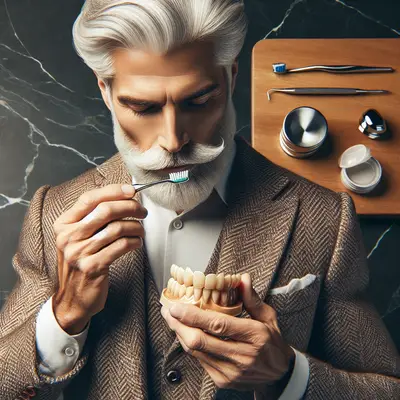
There is a particular confidence that comes from knowing your smile is not merely presentable, but impeccably curated. For denture wearers, oral hygiene is no longer a basic routine; it’s an elevated ritual that preserves comfort, aesthetics, and long-term oral health. This is not about doing more—it’s about doing the right things with quiet precision. Below, you’ll find five exclusive, often-overlooked insights designed for those who expect more from their daily care than the ordinary rinse-and-repeat.
Redefining “Clean”: Treating Dentures as Precision Devices, Not Just Teeth
Modern dentures are closer to finely engineered medical devices than simple replacements for natural teeth. Treating them as such immediately upgrades the way you clean and maintain them.
A truly refined hygiene ritual goes beyond a quick brush at the sink. It means respecting materials and craftsmanship: using a soft, non-abrasive brush specifically designed for dentures, a cleanser that will not scratch or cloud the acrylic, and water that is comfortably lukewarm—never hot enough to warp the fit. Every surface deserves attention: the polished front for aesthetics, the fitting surface for comfort, and the tiny crevices where plaque and microorganisms quietly collect.
Think of this process less as “scrubbing away food” and more as preserving clarity, texture, and structure. The goal is not to make dentures simply look clean, but to keep them functioning and fitting as elegantly as the day they were delivered.
The Understated Priority: Caring for the Tissues Beneath the Denture
Many denture wearers focus exclusively on the prosthesis and overlook the true foundation of their smile: the gums and underlying bone. These tissues are dynamic, not static, and their health directly shapes how well your dentures feel and function.
A refined approach includes removing the dentures at least once daily to massage the gums gently with a soft toothbrush or a clean fingertip wrapped in a damp gauze pad. This light stimulation encourages circulation, helping the tissues remain resilient and comfortable. Rinsing with an alcohol-free, antimicrobial mouthwash or a simple warm saltwater solution can quietly reduce the bacterial load without harshness or sting.
Equally important is allowing the tissues a rest period—typically overnight—without the denture in place. This “off-duty” time helps minimize sore spots, fungal overgrowth, and subtle inflammation that can, over time, change the way your denture fits. The visible smile is the showpiece, but the unseen tissues are the architecture; nurturing them is a hallmark of truly elevated-care.
The Silent Adversary: Biofilm, Not Just “Food Debris”
What accumulates on dentures is not merely leftover food—it is a sophisticated, evolving biofilm of bacteria and fungi that adheres to the acrylic surface. Left unchecked, this biofilm can contribute to bad breath, gum irritation, and a common but often underestimated condition: denture stomatitis, a type of inflammation frequently linked to Candida (yeast) overgrowth.
A premium hygiene routine recognizes that eliminating biofilm requires more than casual rinsing. Purpose-formulated denture cleansers, effervescent tablets, or professionally recommended soaking solutions are designed to disrupt and dissolve this microscopic layer. Brushing alone may remove visible residue but can leave an invisible film intact.
For those with a taste for discrete precision, consider timing: soaking dentures in an appropriate cleanser once daily—often overnight—provides a deeper clean without additional effort. The goal is to maintain a surface so clean that microorganisms struggle to adhere, preventing problems before they demand attention.
Subtle Support Systems: Diet, Hydration, and Saliva as Invisible Allies
Luxury in oral care extends beyond products to lifestyle choices that quietly protect the mouth. Your diet and hydration patterns exert a profound, if often unnoticed, influence on denture comfort and oral hygiene.
A dry mouth—whether from certain medications, aging, or reduced fluid intake—creates an environment where bacteria and yeast thrive. Adequate hydration, saliva-stimulating sugar-free mints or lozenges, and, if recommended, saliva substitutes can restore a more balanced environment. Saliva is nature’s original cleanser; supporting it is an elegant and effective strategy.
Diet, too, shapes the microbial landscape. Frequent sugary snacks or acidic beverages don’t just threaten natural teeth; they also encourage biofilm formation on dentures and irritation of the tissues beneath. Emphasizing balanced meals rich in fibrous vegetables and lean proteins can help maintain a healthier oral environment while supporting overall well-being. The most sophisticated denture care often looks, from the outside, like simple good living.
Precision Follow-Up: Elevated Checkups as Part of Your Hygiene Ritual
For the discerning denture wearer, the dental visit is not a last resort—it is an integral part of a premium care ritual. Even with impeccable hygiene, the shape of your mouth changes subtly over time as bone and soft tissues remodel. These changes can be imperceptible day to day, yet cumulative in their effect on fit, comfort, and function.
Routine professional evaluations—often annually, or more frequently if advised—allow your dentist to polish the denture surface, assess for hidden cracks or wear, and detect the earliest signs of tissue irritation or infection. Adjustments and relines can restore harmony between the denture and the underlying anatomy, preventing pressure points and the slow onset of sore areas.
An elevated approach frames these visits not as “maintenance appointments,” but as curated check-ins: a chance to refine, recalibrate, and ensure that your smile continues to feel as composed and effortless as it appears.
Conclusion
Sophisticated denture care is not defined by elaborate products or complicated procedures; it is defined by intention, consistency, and respect for the fine details. By treating your dentures as precision devices, nurturing the tissues beneath, targeting biofilm thoughtfully, aligning lifestyle choices with oral health, and embracing proactive professional care, you elevate oral hygiene from a routine to a refined ritual.
The result is more than a clean prosthesis. It is a cultivated sense of comfort, freshness, and poise—an oral environment as well-considered as any other aspect of your personal presentation.
Sources
- American College of Prosthodontists – Caring for Your Dentures – Clinical guidance on daily denture cleaning, handling, and storage
- Mayo Clinic – Dentures: Common Questions – Overview of denture use, adjustment, and oral health considerations
- National Institute of Dental and Craniofacial Research (NIDCR) – Oral Health Tips for Older Adults – Evidence-based recommendations on oral hygiene, dry mouth, and professional care
- Cleveland Clinic – Denture Stomatitis – Detailed explanation of causes, symptoms, and management of inflammation related to denture wear
- Columbia University College of Dental Medicine – Complete Dentures Patient Guide – Educational resource on denture function, fit, and long-term care
Key Takeaway
The most important thing to remember from this article is that this information can change how you think about Oral Hygiene.