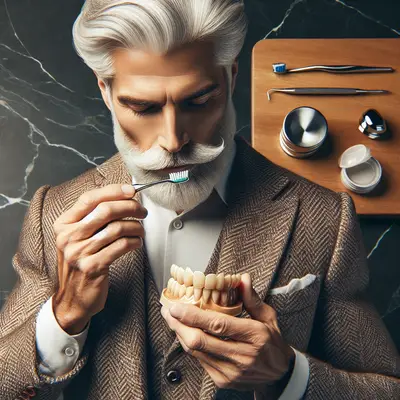
A refined smile is rarely an accident. It is curated—through thoughtful choices, meticulous habits, and an understanding that oral hygiene with dentures is not merely about “clean” but about comfort, longevity, and grace in daily life. For discerning denture wearers, the goal is not just to prevent stains or odors; it is to orchestrate an oral environment where every detail feels considered and elevated.
This guide explores oral hygiene through a more cultivated lens, with five exclusive insights tailored to those who expect more than the standard advice. Think of it as a quiet masterclass in how to care for your dentures—and the mouth beneath them—with the same attentiveness you would give to fine textiles, leather, or jewelry.
Rethinking “Clean”: Treating the Mouth and Dentures as Separate, Intertwined Ecosystems
Most guidance on denture hygiene treats the mouth and the dentures as a single unit. In reality, they function as two distinct ecosystems that constantly influence one another. Your routine should reflect that distinction.
Your dentures are non-living surfaces that collect plaque, food particles, and pigments from coffee, tea, wine, and richly colored foods. Your oral tissues, by contrast, are dynamic and vulnerable—susceptible to inflammation, infection, and shifts in the microbiome. When you approach hygiene with this duality in mind, your rituals naturally become more precise and protective.
For the dentures themselves, think in terms of “fabric care for the smile”: a gentle daily cleanse, a deeper soak, and a consistent drying phase to discourage microbial buildup. For your mouth, emphasize circulation and resilience—soft brushing of the gums, tongue, and palate, plus thoughtful hydration. Keeping these two systems impeccably clean but separately addressed minimizes odor, improves fit over the day, and contributes to that subtle feeling of freshness that never announces itself, but is always noticed by you.
The Temperature Principle: An Underestimated Protector of Fit and Finish
One of the most overlooked nuances in denture care is temperature—of water, of cleansers, and even of food during and after cleaning rituals. Yet this single variable can quietly determine how well your dentures age and how comfortable they remain.
Hot or boiling water may sound like a powerful disinfectant, but for many denture materials, it is closer to sabotage. Excess heat can cause warping, micro-cracking, or distortion of the base, which may not be obvious to the eye but can translate into tiny pressure points, rocking, or sore spots during wear. A premium routine respects temperature the way a tailor respects fabric care labels: lukewarm water for daily brushing, room-temperature or mildly warm water for rinsing, and strictly following the manufacturer’s instructions for any soaking solutions.
An elevated practice also considers temperature transitions. Cleaning your dentures with cooler water immediately after consuming very hot beverages or foods can create subtle stress on the material. Allowing a brief interval—five to ten minutes—before cleaning helps avoid repeated thermal shock. Over years, that small courtesy can preserve both the structural integrity and the refined finish of high-quality dentures.
Exclusive Insight #1: Treat water temperature as you would with fine wool or silk: never extreme, always controlled. This quiet discipline prolongs both comfort and aesthetics.
Precision Brushing: Curating Surfaces Instead of Scrubbing Them
Brushing dentures is often approached as a chore to be rushed. A more cultivated approach borrows from watchmaking or fine car detailing: careful, targeted, and methodical. The goal is not “vigorous scrubbing,” but thorough, non-abrasive coverage.
Use a brush specifically designed for dentures or an ultra-soft toothbrush. Ordinary medium or hard toothbrushes—and especially abrasive toothpastes designed for natural enamel—can create microscopic scratches in the acrylic or resin. These tiny grooves harbor stain molecules and bacteria, making odors and discoloration far more difficult to control over time. Instead, a mild, non-abrasive cleanser or a dedicated denture paste preserves the glossy surface, much like a non-scratch cleaner preserves polished stone.
Adopt a consistent sequence when brushing: outer surfaces first, then inner surfaces, then the occlusal (biting) surfaces. This routine helps ensure you never rush the same sections while neglecting others. Finishing with a careful inspection under bright light—looking for residual film or deposits along the edges—adds a level of refinement that most routines lack, but that pays dividends in clarity, smoothness, and fresh feel.
Exclusive Insight #2: Think of brushing as “curating surfaces.” The fewer micro-scratches you create now, the fewer stains and odors you’ll battle later.
The Nighttime Interval: Transforming “Off Hours” into Prime Healing Time
Removing dentures at night is often recommended, but the difference between a basic and a premium routine lies in what happens during those hours. Nighttime is when your mouth can truly reset—if you orchestrate the conditions thoughtfully.
Once your dentures are out, begin with a gentle massage of the gums, palate, and any ridges where the dentures rest. A very soft toothbrush or a clean fingertip in circular motions enhances blood flow and helps maintain healthy tissue tone. This simple practice can reduce morning soreness and support adaptation over the years as your oral structures subtly change.
Next, consider the environment your dentures rest in overnight. Soaking them in a reputable, effervescent denture cleanser according to instructions helps disrupt biofilm and reduces the risk of fungal overgrowth and denture-related stomatitis. When the soak is complete, rinsing thoroughly with water removes residual chemicals that could irritate tissues the next day. Keep in mind that dentures should never be stored dry for extended periods, as this may affect fit and contribute to surface changes; yet they must also be perfectly rinsed of any harsh agents before reinsertion.
Exclusive Insight #3: Treat nighttime as a deliberate “recovery window” for your mouth. Massaging tissues and respecting soak times helps maintain comfort, clarity, and long-term gum health.
The Microbiome Mindset: Balancing Freshness Without Over-Sanitizing
Denture hygiene is often framed as a war against bacteria. A more nuanced, elevated view understands that the goal is not total annihilation of microbes, but a balanced oral environment that feels—and truly is—healthy.
Overuse of very strong mouthwashes, particularly those high in alcohol or harsh antimicrobials, can dry the tissues and disrupt the natural microbial balance. For denture wearers, this can paradoxically increase discomfort, promote irritation, or contribute to opportunistic infections like oral thrush. Instead, prioritize alcohol-free rinses, neutral or slightly alkaline formulations, and consistent mechanical cleaning (brushing and soaking) over aggressive chemical “shock treatments.”
Hydration is another quiet pillar of a sophisticated routine. Adequate water intake supports saliva production, which naturally helps cleanse the mouth, buffer acids, and maintain tissue health. If you experience dry mouth—whether from medication, age, or other conditions—discuss saliva substitutes or stimulants with your dental professional. A balanced microbiome supported by good saliva flow makes your dentures feel more “at home” and reduces the need to chase symptoms with overly strong products.
Exclusive Insight #4: Instead of striving for a sterile mouth, aim for a stable, well-hydrated microbiome. This subtle shift enhances comfort and reduces reliance on harsh rinses.
The Quiet Check-In: Using Small Irregularities as Early Warning Signals
Denture wearers with refined habits tend to notice details before they become problems. This observational discipline—what we might call the “quiet check-in”—is one of the most exclusive yet accessible practices you can cultivate.
During your cleaning rituals, pay attention to how your dentures feel in your hands and in your mouth: any new roughness along the edges, a faint rocking motion when you bite, a slight change in how your tongue rests, or a new sore spot that appears after only a few hours of wear. These subtleties can be early indicators of bone resorption, minor fractures, worn teeth, or changes in your bite.
Similarly, observe your oral tissues in a good mirror once in a while: look for red patches, white film, persistent sore spots, or changes that do not resolve within a week. Rather than dismissing them as “just irritation,” view them as cues to involve your dentist or prosthodontist sooner rather than later. Routine professional check-ups—ideally annually or as advised—become far more effective when you arrive with precise observations rather than vague concerns.
Exclusive Insight #5: Elevate your routine with a brief daily “status scan.” Treat new sensations as data, not nuisances. Early attention preserves both comfort and the elegance of your smile.
Conclusion
Oral hygiene with dentures is often reduced to basic instructions: brush, soak, and avoid sleeping in them. For those who move through life with a more cultivated sensibility, that standard is not quite enough. By refining your approach—respecting temperature, curating surfaces rather than scrubbing them, treating nighttime as a recovery window, nurturing your oral microbiome, and paying attention to subtle signals—you transform denture care from a task into a quiet ritual of self-respect.
The result is not merely a cleaner prosthesis, but a consistently more comfortable, confident, and composed presence. Your dentures cease to feel like a foreign object to manage and instead become a well-maintained, seamlessly integrated part of your everyday elegance.
Sources
- American Dental Association – Dentures - Overview of denture basics, care recommendations, and common considerations for wearers.
- Mayo Clinic – Dentures: How to Care for Them - Practical guidance on daily denture maintenance, cleaning, and handling.
- Cleveland Clinic – Dentures - Detailed discussion of denture types, fit, and long-term management, including hygiene considerations.
- National Institutes of Health (NIH) – Denture Stomatitis Review - Research-based insight into denture-related stomatitis, its causes, and the role of hygiene and microbiome balance.
- Columbia University College of Dental Medicine – Caring for Dentures - Professional recommendations on cleaning techniques, soaking practices, and routine follow-up care.
Key Takeaway
The most important thing to remember from this article is that this information can change how you think about Oral Hygiene.