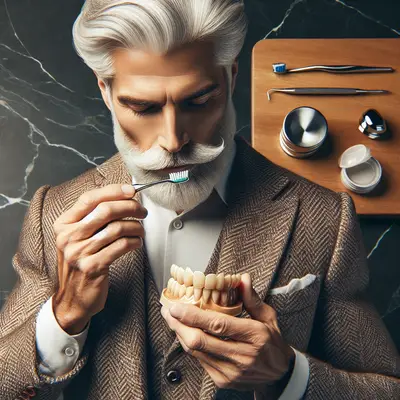
A refined smile is never accidental—it is curated, maintained, and protected with intention. For denture wearers, oral hygiene is no longer just a routine; it is a quiet act of self-respect and a daily investment in long-term comfort, confidence, and health. Beyond the obvious instructions to “brush and soak,” there is a more nuanced approach to caring for your dentures and your mouth—one that honors both precision and pleasure in the process.
This guide explores a more elevated way to think about oral hygiene with dentures, including five exclusive insights that sophisticated denture wearers quietly rely on.
Rethinking Clean: Dentures and the Modern Oral Environment
Denture hygiene is not merely about surface cleanliness; it is about orchestrating balance in a delicate ecosystem. Your mouth, even with full dentures, remains biologically active: saliva flow, oral bacteria, and soft tissues all respond to how you clean and care for your prosthetics.
Unlike natural teeth, dentures do not decay—but the tissues beneath them can become irritated, infected, or inflamed if plaque and biofilm are allowed to accumulate. Food particles, staining agents from coffee, red wine, or tea, and even microscopic roughness in denture materials can all influence how “clean” your mouth feels.
A truly elevated approach to oral hygiene accounts for:
- The materials your dentures are made from
- The chemistry of your cleaning products
- The resilience of your oral tissues
- The lifestyle habits that quietly influence comfort (diet, hydration, medications)
The result is less about chasing perfection and more about designing a ritual that preserves the integrity of your dentures while respecting the subtle needs of your mouth.
The Foundation: A Thoughtful Daily Hygiene Ritual
A well-structured daily routine for denture wearers moves beyond “brush, soak, repeat” and focuses on precision, sequence, and texture.
A refined daily ritual typically includes:
- Gentle mechanical cleaning – Use a soft-bristled denture brush or a very soft toothbrush to remove plaque and debris. Avoid regular toothpaste; the abrasive particles designed for enamel can create micro-scratches on acrylic, inviting staining and bacterial buildup.
- Curated cleanser choice – Opt for non-abrasive, denture-specific cleansers or mild, fragrance-free soap recommended by your dentist. Harsh household cleaners or hot water can warp dentures and degrade their surface.
- Soft tissue care – Even if you no longer have natural teeth, your gums, palate, and tongue require careful attention. A soft toothbrush or moistened gauze applied with light pressure can help remove plaque biofilm and stimulate circulation.
- Overnight rest for the tissues – Removing dentures nightly allows your tissues to recover from constant pressure and reduces the risk of fungal infections such as denture stomatitis.
- Purposeful storage – Dentures should be kept in water or a denture-soaking solution when out of the mouth to prevent them from drying and warping, while also minimizing bacterial growth.
When performed with consistency and intention, these steps form the backbone of an oral care practice that feels less clinical and more like a personal ritual.
Five Exclusive Insights Sophisticated Denture Wearers Rely On
Beyond the fundamentals, discerning denture wearers tend to embrace a series of subtle yet impactful refinements. These five insights are rarely discussed in casual conversation but often define the difference between “acceptable” and “exceptional” comfort.
1. Micro-Scratches Matter More Than You Think
Many denture wearers underestimate the significance of surface texture. Micro-scratches—caused by abrasive toothpaste, hard-bristled brushes, or harsh cleaning pads—create tiny grooves that hold plaque, stain molecules, and odor-causing bacteria.
Over time, these nearly invisible imperfections can:
- Make dentures feel less smooth against the tongue
- Increase staining from coffee, tea, red wine, or tobacco
- Contribute to persistent denture odor, even with regular cleaning
Exclusive strategy: Treat the denture surface as you would a fine instrument. Use only soft-bristle brushes and non-abrasive cleaners, and ask your dentist about professional polishing at regular intervals to restore a satin-smooth finish.
2. pH Balance Quietly Influences Comfort and Odor
The chemistry of your mouth is in constant flux. Diet, medications, saliva flow, and even stress can alter the pH environment, which in turn affects bacterial growth and fungal overgrowth.
For denture wearers, an imbalanced oral pH can present as:
- Increased plaque on the denture surface
- Subtle but persistent odor despite cleaning
- Irritated or reddened tissues beneath the dentures
- Sip water regularly throughout the day to support saliva production.
- Limit frequent exposure to highly acidic beverages (such as sodas or citrus drinks) without rinsing afterward.
- Consider discussing saliva substitutes or dry-mouth products with your dentist or physician if medications are reducing your natural moisture and protection.
Exclusive strategy:
3. The Fit-Cleanliness Connection Is Often Overlooked
Hygiene and fit are inseparable. A denture that no longer fits with precision creates tiny, sheltered spaces where plaque and fungi can thrive, particularly along the edges and under the base.
Signs that fit is undermining hygiene include:
- Recurrent sore spots or redness in the same areas
- The need for more adhesive than you once used
- Food trapping under the denture, particularly along the back or sides
Exclusive strategy: View relining and adjustment as part of your hygiene plan, not only as a comfort measure. A well-fitted denture reduces micro-movement, lowers irritation risk, and makes cleaning more effective because fewer hidden spaces remain for biofilm to accumulate.
4. Your Soft Tissues Deserve a Ritual of Their Own
Many denture wearers focus almost exclusively on the appliance and overlook the living foundation: the gums, cheeks, tongue, and palate. Healthy tissues are less prone to infection, irritation, and burning sensations.
Thoughtful soft tissue care may include:
- Gently massaging the gums with a soft brush or moistened gauze to promote circulation
- Cleaning the tongue carefully to help reduce breath odor and bacterial load
- Rinsing with an alcohol-free mouthwash or a dentist-recommended rinse to avoid dryness and stinging
Exclusive strategy: After removing your dentures at night, dedicate a minute solely to your gums and palate. This small ritual not only enhances cleanliness but helps you notice early changes—such as sore spots, color changes, or growths—that warrant professional attention.
5. Professional Maintenance Is a Luxury That Pays Dividends
While at-home care is essential, professional oversight elevates your routine from adequate to exceptional. Regular dental visits are still crucial, even if you no longer have natural teeth.
At these visits, your dentist can:
- Examine the soft tissues for signs of oral cancer, fungal infections, or chronic irritation
- Assess denture fit and function, making subtle adjustments that improve comfort and stability
- Professionally clean and polish dentures, removing deep stains and hardened deposits that home care cannot address
Exclusive strategy: Treat professional visits as scheduled preservation rather than problem-solving. A calm, proactive relationship with your dentist allows them to fine-tune your dentures and oral health long before discomfort or visible changes arise.
Heightened Hygiene for Partial Denture Wearers
Those who wear partial dentures occupy a more complex space: they must care for both prosthetic and remaining natural teeth. The intersection between the two demands elevated precision.
Key considerations include:
- Threading floss or using interdental brushes around clasped teeth to prevent plaque accumulation in areas where metal meets enamel
- Paying special attention to any teeth supporting clasps, as these are more vulnerable to decay and gum disease
- Removing the partial for thorough cleaning of both the appliance and the natural teeth—shortcuts inevitably lead to problems over time
A premium approach here involves fine-tuned tools: ultra-soft brushes, high-fluoride toothpastes (when advised by your dentist), and targeted flossing aids that can comfortably navigate tight spaces without damaging gums or clasps.
Designing an Oral Hygiene Ritual That Feels Personal
For denture wearers seeking a more elevated experience, oral hygiene can become less of a chore and more of a curated daily ceremony. Consider:
- Timing: Many find a slower, unhurried evening routine allows for more meticulous cleaning and tissue care.
- Environment: Good lighting and a comfortable mirror setup make detailed cleaning more precise and less fatiguing.
- Tools: Investing in high-quality, soft-bristled brushes, well-formulated denture cleansers, and alcohol-free rinses transforms the experience from utilitarian to refined.
A thoughtful ritual not only supports health but subtly reinforces dignity, composure, and confidence—especially in social settings where your smile is an extension of your personal presence.
Conclusion
A well-maintained denture is more than an artificial replacement for lost teeth—it is a crafted object that deserves intelligent care, and it rests on living tissues that require attention and respect. By moving beyond generic advice and embracing sophisticated strategies—protecting denture surfaces, respecting oral pH, prioritizing fit, honoring soft tissues, and integrating professional support—you create not just a clean denture, but a cultivated oral environment.
In this space, your daily hygiene ritual becomes an understated luxury: quiet, precise, and profoundly effective.
Sources
- American Dental Association – Dentures - Overview of denture care, maintenance, and professional recommendations
- Mayo Clinic – Dentures: How to Care for Them - Practical guidance on cleaning, storage, and tissue care for denture wearers
- Cleveland Clinic – Dentures - Detailed explanation of denture types, fit, and long-term oral health considerations
- National Institutes of Health – Oral Candidiasis and Denture Stomatitis - Clinical insight into fungal infections associated with dentures and the role of hygiene
- NHS – How to Keep Your Teeth Clean - General oral hygiene principles, some of which apply directly to partial denture care and soft tissue health
Key Takeaway
The most important thing to remember from this article is that this information can change how you think about Oral Hygiene.