A well-crafted denture does more than restore function; it quietly restores presence, poise, and confidence. Yet even the most meticulously designed prosthetic can be diminished by hurried or inconsistent maintenance. When you refine your care routine beyond the basics, your dentures stop feeling like an appliance and begin to feel like a bespoke accessory—precisely tuned to your life, your palate, and your standards.
This guide explores five exclusive, under-discussed insights that discerning denture wearers use to preserve comfort, aesthetics, and longevity. Think of it as moving from “acceptable upkeep” to a cultivated care ritual.
Elevating Daily Care: Moving Beyond Generic Cleaning Habits
Most instructions stop at “brush, soak, and rinse.” For those who expect more, the approach must be more nuanced. The goal is not only cleanliness, but also preservation of fit, shine, and structural integrity over time.
A premium care ritual begins with the tools. A denture-specific brush with soft, multi-level bristles is essential, as standard toothbrushes can create micro-scratches that dull the surface and harbor staining. Cleansers should be non-abrasive and formulated specifically for dentures; regular toothpaste is often too harsh and can gradually erode the polished acrylic or resin base.
Water temperature is another discreet but powerful variable. Consistently using lukewarm, not hot, water helps prevent subtle warping that can accumulate over years and eventually affect fit. Clean over a basin filled with water or a soft towel to protect against accidental drops—small precautions that prevent expensive repairs.
Your timing matters as well. Rather than a rushed clean at night, consider a short but thorough ritual: a gentle brush after your main meal, then a more deliberate cleanse in the evening. This staggered approach reduces biofilm buildup and maintains fresher surfaces throughout the day.
Insight 1: Mastering Moisture Balance—Not Too Dry, Not Too Damp
Most people know dentures shouldn’t be left to dry out, but fewer appreciate the nuance of how they are hydrated. Prolonged soaking in overly strong solutions or very hot water can compromise material integrity, while leaving dentures exposed to air overnight can cause microscopic shrinkage or warping.
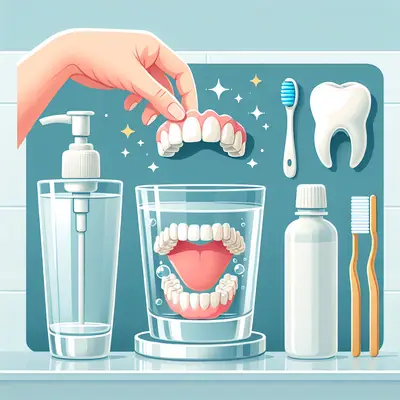
The refined standard is controlled hydration. When not worn, dentures are best stored in cool or room-temperature water or a professionally recommended soaking solution, exactly as instructed by your dentist or prosthodontist. This prevents dehydration of the acrylic base and helps maintain dimensional stability.
For partial denture wearers with metal components, a more curated approach is wise. Some solutions are not ideal for metal clasps or frameworks and may lead to discoloration or corrosion over time. Confirm that your chosen soak is compatible with your specific prosthesis materials.
Moisture balance also extends to your mouth. If you experience dry mouth (xerostomia), you are more prone to irritation beneath the denture and plaque buildup on its surface. Saliva substitutes, sugar-free lozenges, or hydration strategies approved by your dentist can help maintain a more hospitable environment under the prosthesis, preserving both comfort and tissue health.
Insight 2: Protecting the “Invisible Surfaces” That Matter Most
Denture wearers often focus on the visible, outer surfaces—the ones that greet the world. In reality, the tissue-facing side of the denture base is where subtle neglect can undermine long-term comfort and health. This “invisible” surface can accumulate biofilm, fungi (such as Candida), and food debris that are not obvious at a glance.
A premium maintenance approach treats the underside of the denture as non-negotiable. Use a dedicated brush just for the tissue-contacting surface, and ensure that every contour is gently cleaned daily. Avoid vigorous scrubbing that might alter the precision of the fit or scratch the base.
For those prone to denture stomatitis or recurrent sore spots, targeted cleaning of these internal surfaces is especially important. Your dental professional may recommend periodic use of antimicrobial rinses or specific cleansers to reduce microbial load while preserving the prosthesis.
The palate region in upper dentures and the saddle areas in lower dentures deserve special attention. These regions are often slightly rougher or more contoured and can harbor more plaque. A few extra passes with a soft brush, guided by good lighting, can dramatically improve hygiene and help maintain a fresh, healthy foundation for daily wear.
Insight 3: Seasonal and Lifestyle Adjustments for Fit and Comfort
Most care instructions assume a static environment, yet our lives are anything but static. Climate, travel patterns, and lifestyle changes can subtly influence both how dentures feel and how they should be maintained.
In dry, heated winter environments, oral tissues may become more fragile and prone to irritation. Adjusting your routine by incorporating a hydrating, alcohol-free mouth rinse, increasing water intake, or consulting your dentist about dry-mouth products can help maintain a healthier interface between denture and tissue.
If you travel frequently—especially by air—changes in cabin humidity and meal timing often alter your cleaning opportunities. A sophisticated traveler carries a compact care kit: a slim denture brush, a small container of cleansing tablets, and a discreet travel case. This prevents the temptation to “skip a night” of soaking or to store dentures in improvised containers that may be unsanitary or damaging.
For those who enjoy richly pigmented foods and beverages—such as red wine, coffee, or curry—proactive stain management is key. A swift rinse with water after consuming these items, followed by a gentle brush later, helps prevent slow discoloration that can age the appearance of your dentures prematurely. You preserve not only cleanliness, but the clarity and luminosity that signal a well-maintained prosthetic.
Insight 4: The Underestimated Art of Tissue Care Beneath the Denture
Impeccable denture maintenance extends beyond the prosthesis itself; the underlying soft tissues and any remaining natural teeth must be treated with equal regard. Neglected gums beneath a denture can become inflamed, uneven, or tender, compromising fit and long-term stability.
Daily, deliberate massage of the gums with a soft toothbrush or clean fingertip can stimulate circulation, promoting healthier tissue and potentially enhancing comfort. This practice pairs well with a gentle, alcohol-free mouth rinse to help manage bacterial load and freshen breath without drying delicate tissues.
For partial denture wearers, the natural teeth that anchor the prosthesis require particular protection. These abutment teeth often bear increased load and are more vulnerable to decay and periodontal issues if oral hygiene is not scrupulous. Fluoride toothpaste, interdental cleaning (floss, brushes, or water flossers), and routine professional prophylaxis become essential—not optional—elements of a refined maintenance plan.
Regular professional check-ups also serve as “fit and tissue audits,” during which subtle changes in bone height, gum contour, or bite can be detected early. Slight adjustments, relines, or rebasing at this stage are far less invasive than major remakes later, defending both comfort and aesthetics in a quiet, preventive way.
Insight 5: Establishing a Long-View Care Schedule—Beyond Daily Habits
An elevated maintenance philosophy looks past the day-to-day to consider the entire lifespan of the denture. Materials age, facial structures change, and bite dynamics evolve. Without a long-view schedule, many wearers tolerate gradual decline in comfort and appearance, believing it is unavoidable.
Working with a prosthodontist or experienced dentist to define a structured maintenance horizon is a discreet but powerful practice. This might include professional evaluations every 6–12 months, planned relines when gum and bone changes occur, and an anticipated timeline for eventual replacement as materials and fit naturally age.
Keep a personal log—digital or written—of any pressure points, minor sores, or changes in speech or chewing efficiency. When reviewed with your clinician, this record turns vague impressions into actionable insights. Small, early interventions can preserve the original precision of your dentures for significantly longer.
Finally, consider investing in a dedicated, protective storage case and a defined storage place at home. This prevents loss, damage, or accidental warping from being left near heat sources. The message is subtle but profound: your dentures are not a disposable appliance; they are a customized medical and aesthetic device worthy of intentional stewardship.
Conclusion
Exquisite denture care is not about complexity; it is about intention. By mastering moisture balance, respecting invisible surfaces, adapting to lifestyle and seasons, nurturing the tissues beneath, and committing to a long-view care schedule, you elevate your dentures from functional necessity to refined everyday companion.
When each aspect of your routine aligns with the quality of the prosthesis you wear, the result is quietly striking: a stable, comfortable, and luminous smile that feels as considered and curated as any other investment in your personal presentation.
Sources
- American College of Prosthodontists – Complete Dentures - Overview of complete denture care, expectations, and professional guidance
- Mayo Clinic – Dentures: How to Care for Them - Practical advice on daily denture hygiene and handling
- Cleveland Clinic – Dentures - Information on denture types, fit, and maintenance considerations
- National Institute of Dental and Craniofacial Research (NIDCR) - Evidence-based guidance on tooth replacement options, including dentures
- Harvard School of Dental Medicine – Patient Resources - Educational resources on oral health, prosthodontics, and ongoing care practices
Key Takeaway
The most important thing to remember from this article is that this information can change how you think about Maintenance Tips.