Cultivated denture care is less about rigid rules and more about refined discernment—quiet choices made day after day that keep your prosthetics pristine, your mouth balanced, and your confidence unshakable. Beyond the basics of brushing and soaking lies a more nuanced approach: one that considers texture, timing, temperature, and long-term aesthetics with the same care you’d give to fine jewelry or tailored clothing.
This guide unveils five exclusive, often-overlooked insights that elevate denture maintenance from routine obligation to an artfully considered practice.
The Temperature Principle: Protecting Fit, Finish, and Longevity
While most denture wearers know to avoid boiling water, very few appreciate how subtly damaging repeated exposure to “just a bit too hot” can be. Acrylics and composite materials are more responsive to temperature than enamel; gradual expansion and contraction may not warp your dentures visibly, but can gently distort the fit, alter bite balance, and create micro-gaps where plaque flourishes.
Aim to keep anything that touches your dentures—cleaning solutions, water, even rinses—comfortably lukewarm at most. Think of the temperature you’d choose for delicate fabrics rather than for steeping tea. When cleaning after a hot beverage or meal, allow your dentures to return to room temperature before brushing; scrubbing warm, softened acrylic can create tiny abrasions that collect pigment from coffee, red wine, or spices.
This mindful relationship with temperature subtly preserves the precision of your prosthetics, helping them sit more naturally, feel more secure, and age more gracefully over time.
The Texture Strategy: Choosing Brushes, Pastes, and Cloths with Intention
Many maintenance routines focus on frequency; far fewer consider the tactile quality of every tool that meets the denture surface. Yet texture is one of the most decisive factors in preserving translucency, contour, and natural-looking shine.
Use an extra-soft, multi-tufted brush specifically designed for dentures or sensitive oral surfaces. Traditional “whitening” or “smoker’s” pastes are often too abrasive; over months and years, they can gently sand away the polished finish, leaving dentures looking chalky and more prone to staining. Opt instead for a non-abrasive denture cleanser or a toothpaste explicitly labeled safe for prosthetic appliances.
For a final polish, some patients appreciate gently buffing the outer surfaces with a clean, ultra-soft microfiber cloth after rinsing and drying. This simple, careful step removes residual water marks and restores a natural luster—much like polishing a high-end watch or eyewear—without introducing unnecessary abrasion.
The Hydration Habit: Protecting Both Dentures and Delicate Oral Tissues
Denture care is as much about the mouth that hosts them as the prosthetics themselves. A refined maintenance routine protects hydration in two distinct ways: preserving denture materials and supporting the delicate balance of oral tissues.
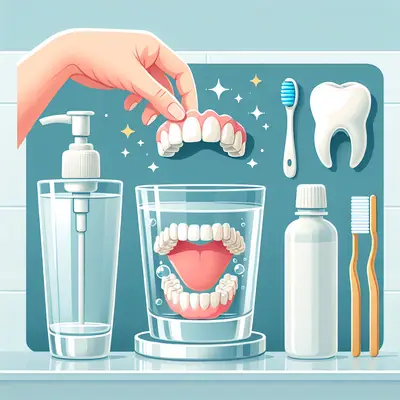
Acrylic dentures should never be allowed to dry out for extended periods. When left exposed to air, microscopic changes in the material can alter fit and create rougher-feeling surfaces. When not in your mouth, store dentures fully submerged in plain water or an approved soaking solution, away from direct heat or sunlight.
Equally important is maintaining moisture in your mouth. Many denture wearers experience dry mouth due to medications, age, or health conditions, which can increase friction, create sore spots, and promote fungal overgrowth. Hydration-conscious practices—sipping water throughout the day, limiting dehydrating beverages like alcohol and very strong coffee, and discussing saliva substitutes or dry-mouth formulations with your dentist—can dramatically improve comfort. A well-hydrated mouth allows the denture to glide, not grind, creating a more natural, effortless feel.
The Precision Rinse Ritual: A Two-Phase Cleanse After Every Meal
Basic advice often suggests “rinsing after meals,” but a premium approach refines this into a two-phase ritual that prioritizes cleanliness, comfort, and discretion.
Phase one: External cleanse. Step away briefly after meals—even at a restaurant—and remove your dentures in a private setting. Rinse them under cool or lukewarm running water while using gentle finger pressure and a soft brush (if available) to dislodge trapped food particles, especially around clasps and under palatal areas. This immediate cleanse reduces odor, minimizes plaque accumulation, and keeps the fit feeling precise all day.
Phase two: Oral environment reset. With dentures removed, rinse your mouth thoroughly to clear food debris from the gums, tongue, and cheeks. For those prone to irritation, a mild, alcohol-free rinse or saltwater solution can help soothe tissue without harshness. When you reinsert your dentures, they meet a refreshed, clean oral surface—less friction, fewer odors, and a more seamless return to social interaction.
This disciplined, private ritual may take only a few minutes, yet the cumulative impact on freshness, confidence, and long-term tissue health is substantial.
The Quiet Surveillance Mindset: Micro-Checks That Prevent Major Issues
Truly refined denture maintenance includes a calm, observational mindset—a willingness to notice the smallest changes before they become problems. Instead of waiting for pain, fractures, or visible wear, adopt a weekly “quiet audit” of both your dentures and your oral tissues.
With clean, dry hands and good lighting, inspect:
- The edges of your dentures for tiny chips, sharp points, or areas that feel less smooth than the surrounding surface.
- Any hairline fractures or fine crack-like lines, especially around the midline of upper dentures or near clasps.
- The fit: are there new pressure points, subtle rocking movements, or areas where food slips in more easily than before?
- Your gums and palate for redness, paler patches, or shiny areas that may indicate friction or early irritation.
- The underside of the denture for built-up calculus (hardened deposits), which may appear as chalky or stone-like areas.
Share even minor findings with your dentist at regular visits—ideally once or twice a year, or as recommended. Early, conservative adjustments keep your dentures elegant and comfortable longer, and help prevent the need for rushed repairs or complete remakes.
Conclusion
Exceptional denture maintenance is not loud or complicated; it’s meticulous, measured, and quietly attentive. By honoring details that many overlook—temperature control, carefully selected textures, deliberate hydration, precise post-meal rituals, and vigilant self-checks—you protect not only the appearance of your dentures, but also the integrity of your oral health and the ease of your everyday life.
Over time, these refined practices become second nature—a private standard of care that ensures your dentures remain as composed, comfortable, and convincing as the day they were crafted.
Sources
- American Dental Association – Dentures - Overview of denture types, care recommendations, and professional guidance.
- Mayo Clinic – Dentures: Tips for First-Time Wearers - Practical advice on denture use, comfort, and daily maintenance.
- Cleveland Clinic – Dentures - Detailed explanation of denture function, care instructions, and adjustment expectations.
- National Institutes of Health (NIH) – Oral Health in Aging - Evidence-based information on oral health considerations for older adults, including prosthetic use.
- Colgate Oral Care Center – Caring for Dentures - Consumer-focused tips on cleaning, handling, and maintaining dentures.
Key Takeaway
The most important thing to remember from this article is that this information can change how you think about Maintenance Tips.